Years in export
Founded in 2008, supplying wood panels, formwork and bamboo products to global buyers.
Monthly capacity
Plywood output from the affiliated mill, supporting repeat orders and mixed programmes.
Production lines
Peeling, pressing, calibrating, sanding and loading coordinated through one mill system.
Thickness coverage
MR, melamine, phenolic WBP, E2, E1 and E0 options for varied project specifications.
Eight engineered wood lines that support Pine LVL and formwork procurement
These eight catalogue items help importers build a practical mixed container around Pine LVL demand: decorative and structural LVL, H20 beams, pine shuttering panels, MDF, bamboo decking and fencing. Each card preserves the original product link and image. Confirm current stock, minimum order quantity and technical data before ordering.
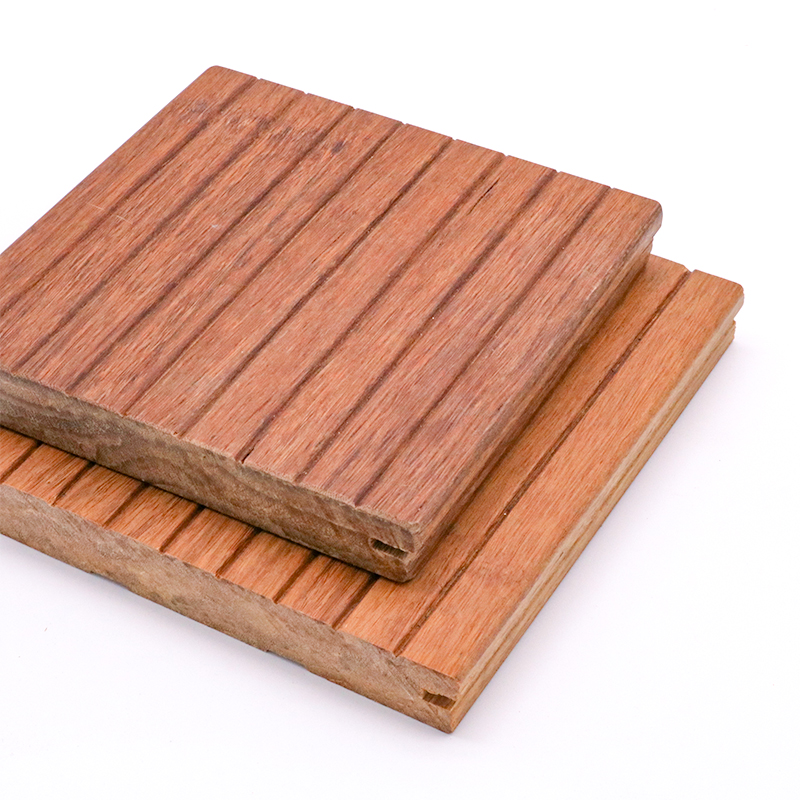
20mm Good Price White Engineered Stranded Bamboo Deck Float Exterior Wall Paneling Flooring UV/Waterproof Coating 5-Year
A waterproof exterior decking and wall-paneling option for hospitality, residential and landscape projects that need a complementary outdoor finish alongside pine LVL structural framing.
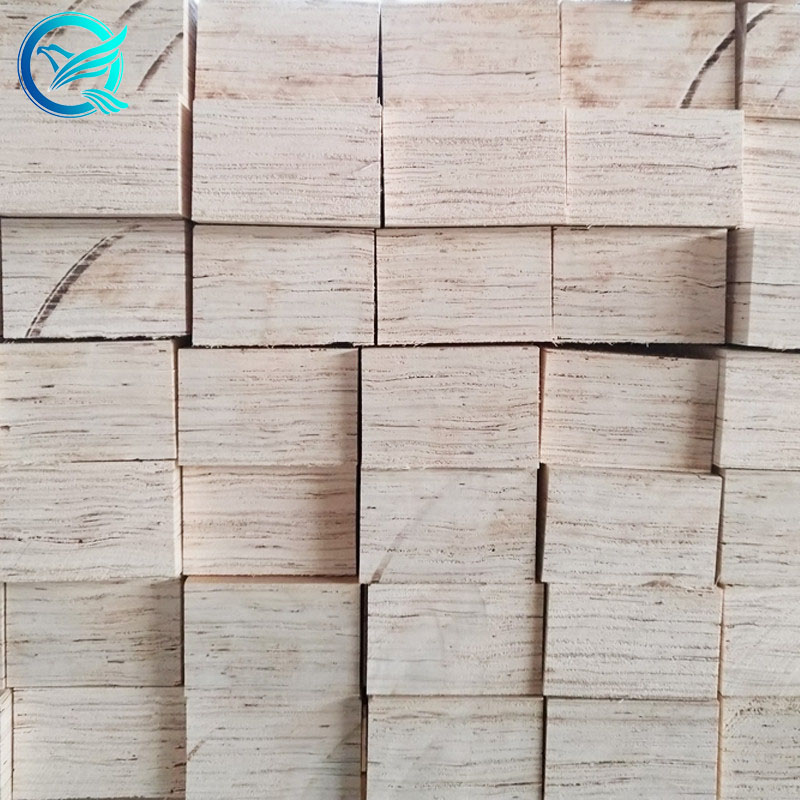
Poplar LVL Beams Laminated Veneer Lumber Board Double-Sided Decorative Surface for Bed Slats Packing Boxes Exterior Use
A decorative double-sided LVL board for bed slats, packing boxes and exterior-use components. Review core, adhesive and face grade against your Pine LVL beam specification.
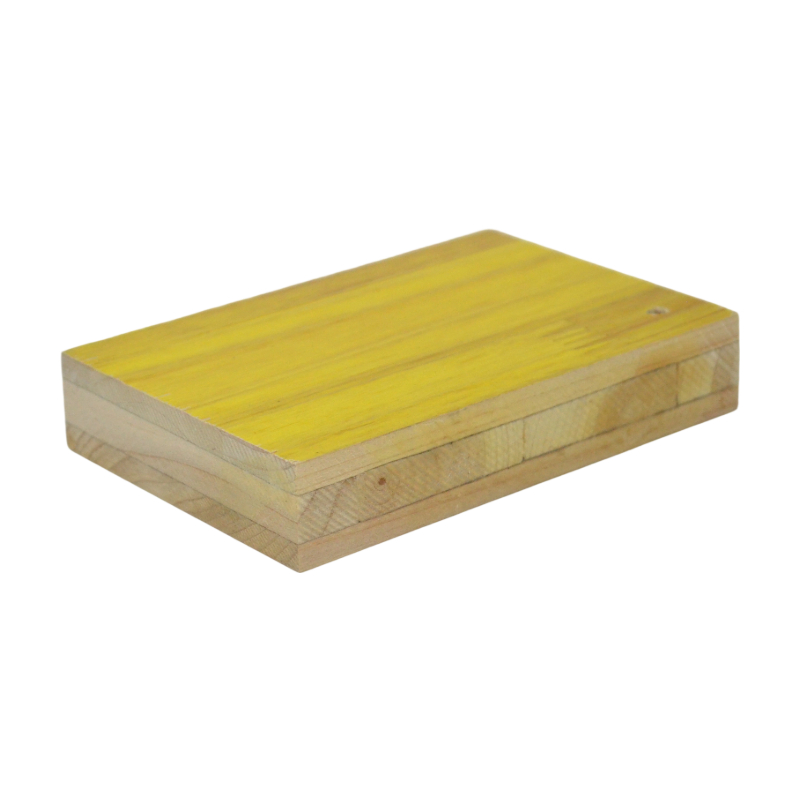
3 Ply Yellow Spruce Shuttering Panel 21-27MM Pine Formwork Board Easily Assembled for Concrete Slab Construction
A pine formwork board for concrete slab construction, designed for easy assembly. Pair with H20 beams and LVL girders for a repeatable panel formwork kit.
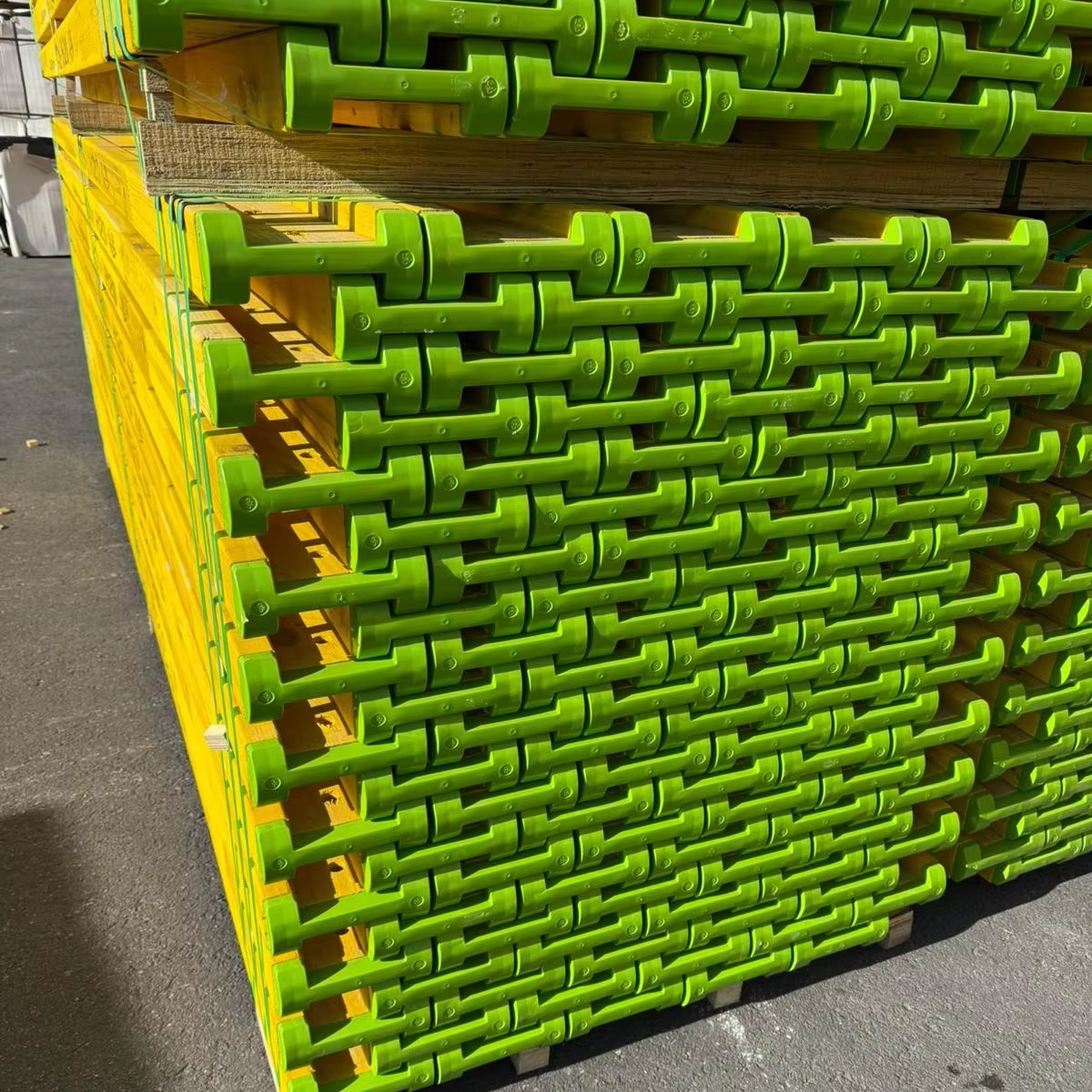
H20 Beam with Plastic Ends Yellow Waterproofing Painting Spruce Flange PINE Plywood Web
A waterproof H20 beam with plastic ends, spruce flange and pine plywood web. It complements pine LVL in slab formwork, secondary beams and repetitive concrete structures.
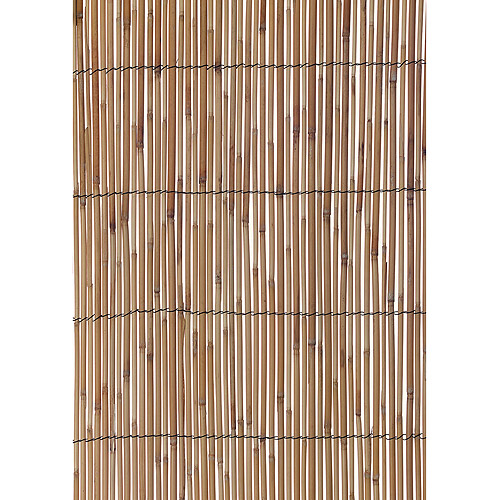
14-16mm High Quality Modern Bamboo Fence with Wood Frame-Eco-Friendly Waterproof Rot & Rodent Proof
An eco-friendly modern bamboo fence with wood frame for landscaped projects, garden screening and exterior design schemes that require a durable natural finish.
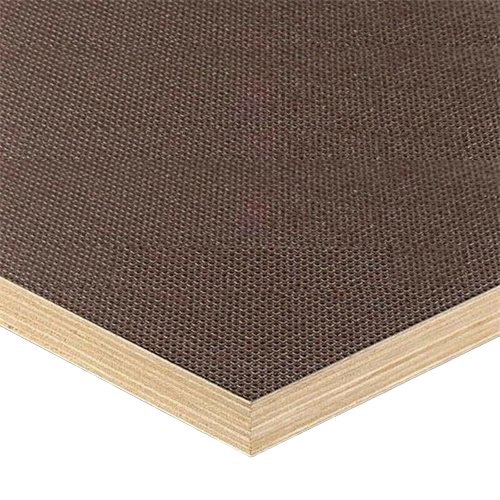
Treezo Linyi Hexa/WireMesh Anti/non-slip Artificial Veneer Pine Veneer Double-Sided Decoration Basswood E1 Water Plywood
Anti-slip double-sided decorative basswood veneer plywood for flooring, vehicle applications and specialty panels that require E1 water-resistant plywood.
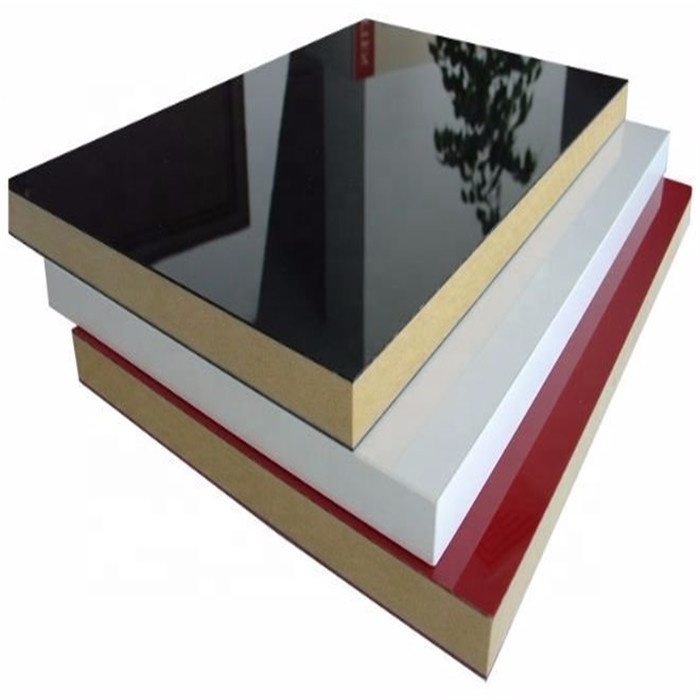
15mm White Painted E1 MDF Board Moisture Resistant Wood Fiber Panel First Class Grade CE CARB Certified Exterior Decoration
A moisture-resistant white painted E1 MDF board for exterior decoration and interior fit-out. CE and CARB documentation supports specification review.

High Quality LEONKING 3-ply Shuttering Plywood Spruce Pine Fir Core UV& WBP Paint Coating 21/27mm Yellow Panel Formwork Easily
Spruce-pine-fir core shuttering plywood with UV/WBP paint coating in 21/27 mm yellow panel formwork formats for easy assembly and repeatable concrete pours.
Why China wholesale Pine LVL suppliers are moving from price quotes to specification partnerships
Buyers searching for a China wholesale Pine LVL supplier are rarely buying one panel. They are buying a repeatable input for prefabrication, furniture frames, scaffold planks, door cores, packaging or structural beams. That distinction matters because pine LVL performance is governed less by the name of the species and more by veneer quality, resin system, press control, moisture content and thickness tolerance. A supplier that cannot explain these variables creates hidden cost: rework, moisture movement, screw-holding loss and delayed container release.
Pine LVL is an engineered input, not a species claim
LVL is built from graded veneers bonded under controlled heat and pressure. For structural or semi-structural use, buyers should request veneer grade, adhesive type, moisture content, thickness tolerance and mechanical data where available. The word “pine” alone is not a specification.
Documentation is a purchasing filter
ISO 9001, CE controls, FSC-certified material availability and SGS on-site assessment help procurement teams compare suppliers beyond FOB price. For decorative and interior uses, E1/E0 formaldehyde declarations and bond-class evidence should be reviewed before sample approval.
Total landed cost beats headline FOB
Mixed containers, edge sealing, bundle protection and correct loading plans reduce damage and rework. A supplier that can combine LVL, H20 beams, shuttering panels and bamboo outdoor products in one programme can lower inventory complexity and freight administration.
What Pine LVL buyers should price into 2025–2030 sourcing plans
Procurement teams are shifting from one-off price checks to supplier scorecards that combine material performance, documentation, delivery reliability and product-range flexibility.
Mixed-container and programme buying
Importers increasingly combine Pine LVL, H20 beams, 3-ply shuttering panels and complementary outdoor products to improve container utilisation and reduce the number of suppliers to audit.
Digital supplier verification
Buyers expect online records of company profile, trade capacity, certifications and inspection practice. A supplier’s ability to answer technical questions consistently is becoming part of the qualification score.
Resin and emission regulation
Low-formaldehyde grades, E1/E0 options and clearly stated adhesive systems are moving from “nice to have” to RFQ requirements, especially for furniture, door cores and interior decorative LVL.
Private-label and prefabrication growth
Distributors and fabricators want stable dimensions, repeatable face quality and packaging that supports their own brand. Private-label film printing, edge-seal colour and bundle marking are becoming routine requests.
Procurement signal index
Illustrative buyer-priority signals drawn from the type of questions received by the Dorni export team. Use them as a checklist, not as a substitute for project-specific specification.
What a stronger Pine LVL RFQ includes
Clear inputs help a China Pine LVL supplier quote accurately and reduce sample rounds.
- End use, load case and whether the LVL is structural, semi-structural or decorative.
- Dimensions, thickness tolerance, moisture content target and edge-sealing requirement.
- Adhesive type, formaldehyde class and any required test report or certificate.
- Face quality, sanding level, packaging method and private-label artwork.
- Destination port, target Incoterm, annual volume and first-order schedule.
How Pine LVL product development is changing the specification conversation
The next competitive advantage is not simply more capacity. It is the ability to control veneer quality, resin systems, machining tolerance and surface performance in a repeatable way.
Resin systems engineered for more demanding use
Phenolic WBP and melamine systems are being selected against reuse cycles, humidity exposure and emission targets. Buyers should match adhesive class to the actual service environment rather than defaulting to the lowest-cost glue.
Veneer grading and structural confidence
Consistent veneer thickness, defect control and moisture management improve density stability. For structural applications, documented mechanical values and careful sample approval are becoming more important than catalogue descriptions.
CNC-ready flatness and edge sealing
Prefabrication lines need LVL that machines cleanly, holds dimensions and resists edge moisture pickup. Calibration, sanding and edge-sealing decisions should be made during sourcing, not after delivery.
Decorative and performance faces
Double-sided decorative surfaces, anti-slip overlays and painted or coated faces allow one material platform to serve furniture, packaging, vehicle and construction applications. This expands the role of LVL beyond hidden structural components.
Match Pine LVL specifications to the actual end use
Avoid over-specifying low-risk components and under-specifying load-bearing or moisture-exposed parts. The matrix below summarises the questions a technical buyer should settle before placing a wholesale order.
| Application | Specification focus | Why it matters | RFQ evidence to request |
|---|---|---|---|
| Structural beams and lintels | Pine veneer grade, phenolic WBP bond, controlled moisture content, thickness tolerance | Dimensional movement and glue performance affect long-term stiffness, creep and connection reliability. | Mechanical data where available, adhesive class, moisture target, sample section and inspection record. |
| Scaffold planks and working platforms | Thick LVL, edge sealing, anti-slip surface if specified, consistent density | Jobsites need repeatable handling, visible wear resistance and predictable deflection under load. | Load-test documentation where required, edge-paint specification, surface profile and packing method. |
| Door cores, frames and furniture | Flatness, screw holding, E1/E0 emission, sanded face quality | Machining yield and indoor-air compliance matter more than maximum structural strength in many interior components. | Formaldehyde report, face samples, thickness tolerance, density range and CNC trial result. |
| Bed slats, packaging and crating | Poplar or pine LVL, decorative double-sided face, cost-balanced grade | Uniform appearance, flex performance and packaging protection determine reorder satisfaction. | Sample approval, private-label artwork, bundle weight and container-loading plan. |
| Formwork and slab systems | H20 beam, 3-ply pine shuttering panel, WBP coating, reusable edge detail | Formwork is a system: panel flatness, beam straightness, coating and handling all affect concrete finish and reuse cycles. | Panel thickness, coating type, H20 dimensional check, edge sealing and pre-shipment photos. |
For projects with structural design requirements, always confirm final acceptance with the engineer of record. The supplier’s role is to document material and manufacturing controls, not to replace project-specific engineering design.
Why importers treat Dorni as a mill-backed Pine LVL and formwork partner
Shanghai Dorni International Trading Co., Ltd. combines an export team in Shanghai with an affiliated plywood mill in Dangshan County, Anhui Province. That structure gives buyers access to production data, quality records and consolidated product programmes rather than a pure trading layer.
Mill-backed since 2008
The export team works alongside an affiliated mill with three complete production lines, covering peeling, pressing, calibration, sanding and loading.
- 18+ years of export practice
- 6,000 m³ monthly plywood capacity
- One quality system across multiple product lines
Documented certification and assessment
Production is managed to ISO 9001 and controlled to CE requirements. FSC-certified material is available, and the company has been on-site assessed by SGS Group.
- ISO 9001 quality management
- CE controls, including CE No. 1301-CPD-0569
- FSC-certified material options
Raw-material and finished-goods QC
A dedicated QC team inspects incoming materials and checks finished panels before loading. Grading can follow BSI, IHPA, JPIS, GB or customer specifications.
- Raw-material inspection on site
- Finished-product checks before shipment
- Pre-shipment inspection photos available
ODM, private label and packaging
Sample-based, design-based and full customization are available, including logo printing on film, edge-sealing colour, bundle packaging and grading to buyer standards.
- Private-label and OEM support
- Custom sheet sizes and thickness
- Export packaging matched to handling risk
Export logistics built for container buyers
Goods are usually loaded at Lianyungang or Qingdao port. The team supports FOB, CFR, CIF, EXW, FAS and CIP terms, with T/T, L/C, D/P and D/A payment options.
- Lianyungang and Qingdao loading
- Multiple Incoterms and currencies
- Experience with North America, Europe, the Middle East, Africa and Asia
One supplier across product categories
Pine LVL, H20 beams, 3-ply shuttering panels, film-faced plywood, MDF, bamboo decking and fencing can be reviewed as one programme, reducing supplier-management load.
- Formwork and structural wood products
- Interior and exterior panel options
- Mixed-container planning support
How quality is controlled from veneer to container
A documented production flow helps procurement teams verify what they are buying before the container leaves China.
Veneer selection
Log peeling and veneer grading to control thickness consistency and visible defects.
Drying and resin control
Moisture targets and adhesive selection are matched to MR, melamine, phenolic WBP, E1 or E0 requirements.
Lay-up and pressing
Controlled pressure and temperature cycles support bond performance and dimensional stability.
Calibration and edge sealing
Double-side calibration, sanding and edge-paint decisions improve flatness and moisture resistance.
Final QC and loading
Finished-goods inspection, bundle protection and loading photos reduce shipment risk.
Pine LVL wholesale FAQ for importers and project buyers
Common questions about specification, documentation, minimum order quantity and export logistics.
What is Pine LVL and how is it different from plywood or solid pine?
Pine LVL, or laminated veneer lumber, is made by bonding graded pine veneers in parallel under heat and pressure. Unlike plywood, which usually alternates veneer grain direction, LVL is designed for a more consistent directional strength profile. Unlike solid pine, LVL reduces the effect of natural knots and grain variation, giving fabricators more predictable dimensions and machining behaviour when the specification is correct.
What should a buyer include in a Pine LVL RFQ?
Include the end use, load or non-load application, dimensions, thickness tolerance, moisture content target, adhesive type, formaldehyde class, face quality, edge-sealing requirement, packaging, destination port and estimated annual volume. For structural applications, state any required mechanical values or design standard so the supplier can confirm what can be documented.
What are typical minimum order quantities?
Standard film-faced and construction plywood starts from 50 m³, roughly two 40HQ containers. 3-ply shuttering panels start from 7–50 m³ depending on specification, and bamboo decking from 100 m². Mixed-product containers can be discussed for trial orders, but final MOQ depends on product, thickness, coating and packaging.
Which glue and emission grades are available?
MR, melamine, phenolic WBP, E2, E1 and E0 grades are available. Phenolic WBP is recommended for formwork or exterior-exposed applications requiring greater moisture resistance. Melamine can be a cost-effective choice where reuse cycles and humidity exposure are lower. Emission class and adhesive should always be stated separately in the purchase order.
Which certifications should a China Pine LVL supplier provide?
Check the supplier’s quality management system, product-related CE controls, FSC chain-of-custody availability and any third-party on-site assessment. Dorni operates under ISO 9001, controls production to CE requirements and can offer FSC-certified material. The company has also been assessed on site by SGS Group. Buyers should request the specific certificate or report relevant to the ordered product, not only a logo.
Can you produce custom sizes, thicknesses, logo printing or private-label packaging?
Yes. Sample-based, design-based and full customization are available. Typical customization includes sheet size, thickness, edge-sealing colour, film logo printing, bundle marking and packaging. Grading can follow BSI, IHPA, JPIS, GB or a customer-provided standard. Custom work should be confirmed with a signed sample or drawing before mass production.
Which ports do you ship from and which Incoterms do you accept?
Goods are usually loaded at Lianyungang or Qingdao port. The export team supports FOB, CFR, CIF, EXW, FAS and CIP terms. T/T, L/C, D/P and D/A are accepted, and multiple currencies can be discussed. For first orders, confirm the loading port, container type, target shipment window and inspection requirements in the quotation stage.
How is quality inspected before shipment?
The QC process covers raw-material inspection, in-process checks and finished-goods inspection before loading. Depending on the order, buyers can request pre-shipment photos, dimension checks, edge-seal review and packaging confirmation. Third-party inspection is welcome. For critical structural uses, agree the acceptance criteria and sampling method before production begins.
Send your Pine LVL specification for a mill-direct review
Share the end use, dimensions, adhesive and emission requirements, estimated volume and destination port. The Dorni export team will review the specification against available production options for Pine LVL, H20 beams, shuttering panels, MDF and bamboo outdoor products.
info@dorniplywoods.comBest details to send first
- Product type: Pine LVL, H20 beam, 3-ply panel or mixed programme.
- Size, thickness, tolerance, moisture target and edge sealing.
- Adhesive, formaldehyde class and required certificate or report.
- Estimated annual volume, trial order size and destination port.
- Packaging, private-label artwork and inspection requirements.