Years in Export
Wood panels and engineered wood since 2008.
Monthly Capacity
Affiliated plywood mill output and loading support.
Complete Lines
Peeling, pressing, calibrating and sanding in-house.
On-site Assessed
Verified supplier assessment and buyer protection.
Engineered Wood and Formwork Products for Container Buyers
For wholesale LVL headers, the buying decision rarely stands alone. Contractors and distributors usually combine structural headers with plywood, shuttering panels, H20 beams and speciality boards. The product range below reflects that real-world purchasing pattern and gives importers a practical starting point for mixed-container sourcing.
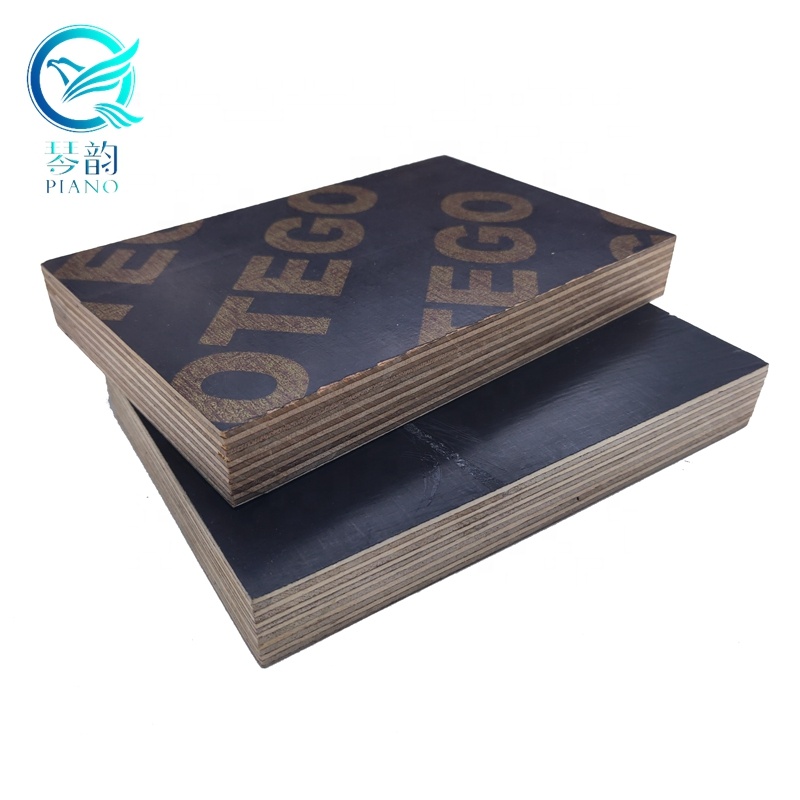
BS1088 CE ISO9001 Certified Eucalyptus Core Marine Plywood
1220×2440 mm panels in 18/25/28 mm with 0.5 mm face options for demanding construction and transport applications.
View specification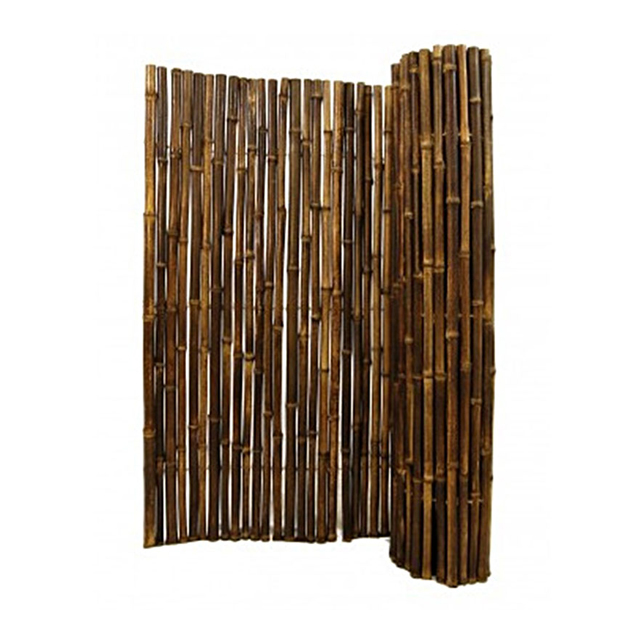
Piano Tall Bamboo Fencing 20mm–30mm Eco-Friendly
Waterproof, rot-proof and heat-treated bamboo fencing for garden screening, hospitality and landscape projects.
View specification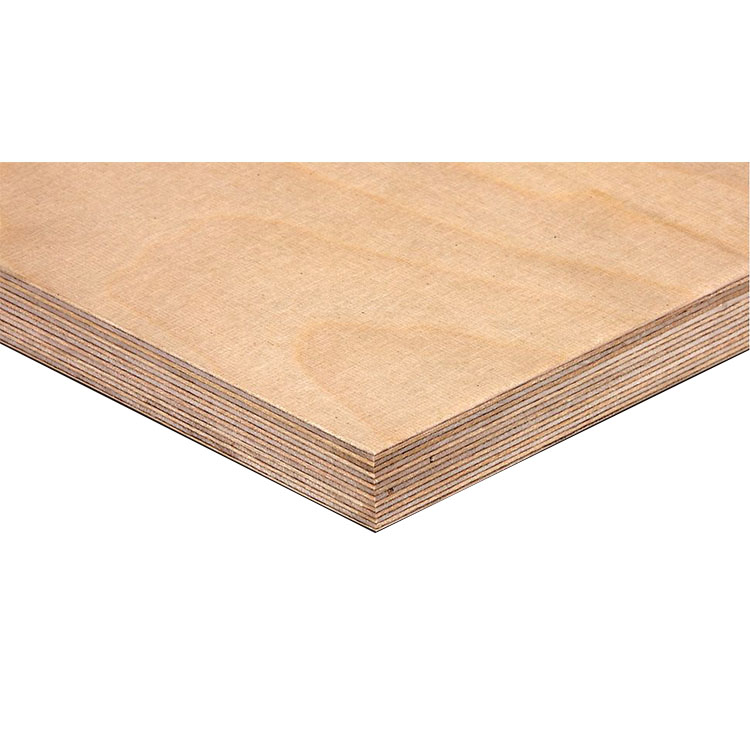
E0 Certified UV Coated Double-Sided Birch Piano Plywood
Low-formaldehyde birch plywood with UV-coated faces for pianos, cabinetry and premium interior components.
View specification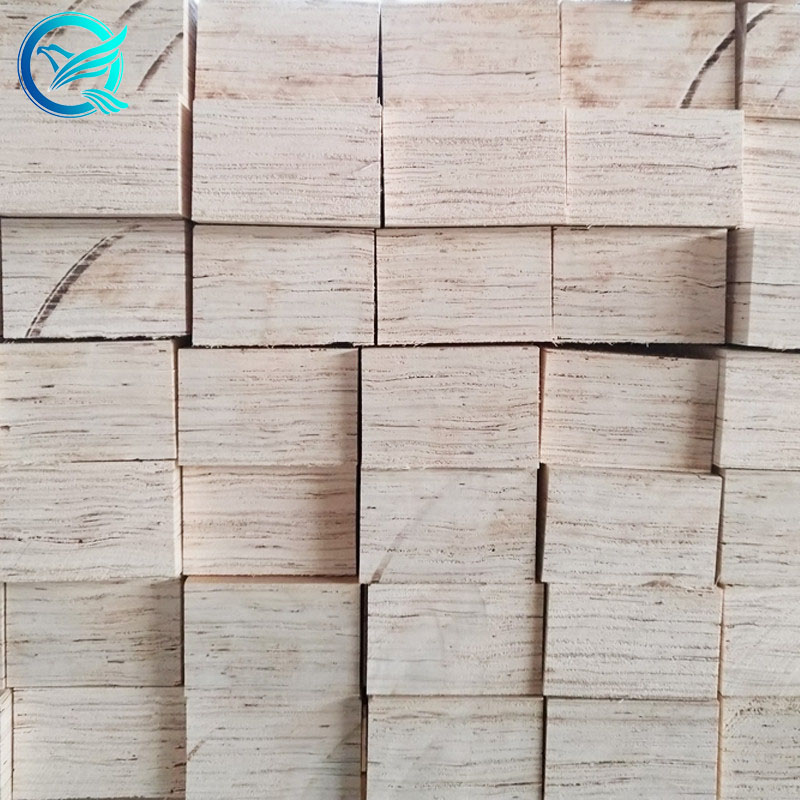
Poplar LVL Beams Laminated Veneer Lumber Board
Double-sided decorative surface LVL for bed slats, packing boxes, furniture frames and exterior-use engineered components.
View specification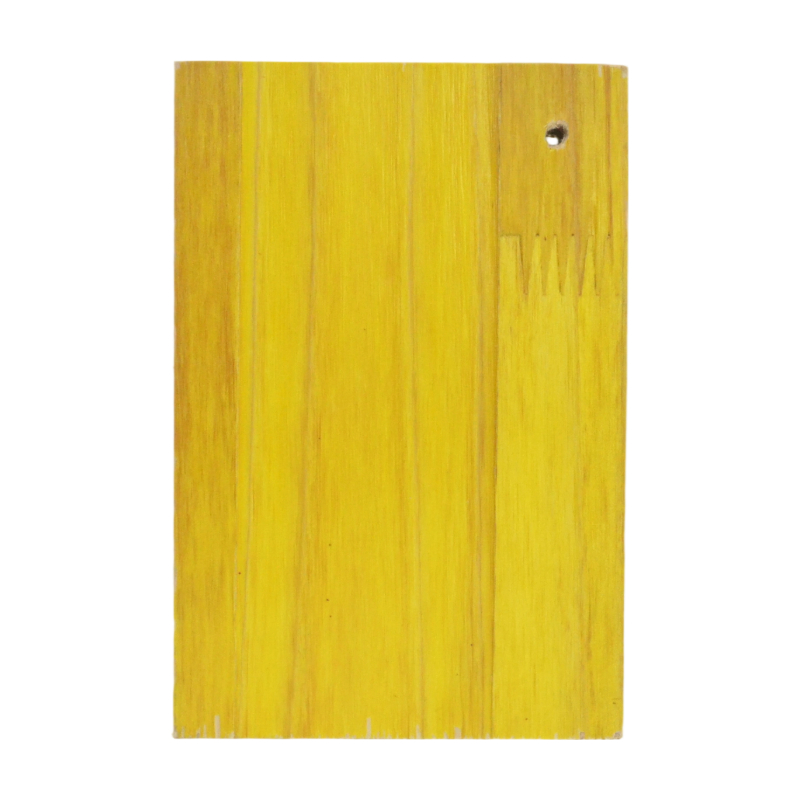
LEONKING Yellow 3-Ply Spruce Shuttering Panel
Three-layer 21/27 mm spruce, fir and pine panel for concrete formwork, wall forms and slab tables.
View specification
High Quality H20 Beam with Plastic Ends
Phenolic WBP bonded H20 timber beam for slab formwork, secondary beams and compatible European formwork systems.
View specification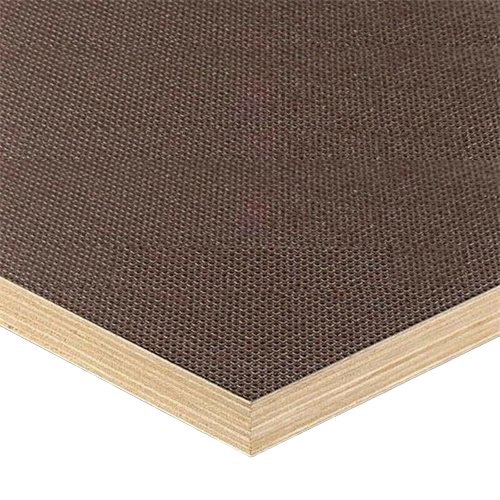
Anti-Slip Double-Sided Decorative Basswood Veneer Plywood
Wire-mesh anti-slip surface and double-sided decoration for transport, flooring and protected structural uses.
View specification
LEONKING 3-Ply Spruce Pine Fir Formwork Plywood
UV and WBP paint-coated 21/27 mm yellow panel for formwork systems requiring easy handling and repeat use.
View specificationLVL Headers Are No Longer a Commodity Substitute
A structural LVL header is an engineered wood beam made from graded veneers bonded under heat and pressure. Its commercial value is not only the timber content, but the predictability it brings to framing, openings and load paths.
Wholesale buyers searching for a China wholesale LVL headers factory & exporter are usually solving a specification problem rather than simply buying timber. They need an engineered header that holds dimension, resists moisture during transport, machines cleanly on site, and arrives with documentation that satisfies engineers, contractors and customs. In residential framing, door and window openings, garage portals, floor systems and modular panels, an LVL header can replace solid sawn lumber where length, consistency or defect-free performance matters.
The information gain for procurement teams is this: the cheapest header per cubic metre is rarely the lowest-cost header installed. Warping, thickness variation, edge damage, adhesive inconsistency or missing certification can create site delays that dwarf the material saving. A factory-backed exporter should therefore be evaluated on veneer control, glue line discipline, moisture management, machining tolerance, packaging and loading records — not on a single FOB figure.
Shanghai Dorni International Trading Co., Ltd. works from this perspective. The company has exported wood panels and building materials since 2008, with an affiliated mill in Dangshan County, Anhui Province and a Shanghai-based export team. Three complete production lines cover peeling, drying, pressing, calibration and sanding, while a dedicated QC team inspects raw materials and finished goods before loading. For LVL headers and LVB programmes, that structure allows buyers to combine engineered wood, film faced plywood, 3-ply shuttering panels, H20 beams and bamboo decking in one sourcing plan without losing control of the whole container.
Indicative Performance Profile: LVL Headers vs. Conventional Site Alternatives
What Will Shape LVL Header Purchasing Through 2030
Procurement is moving from “buy a beam” to “secure a verified structural component.” These six shifts are already changing quotation requests, supplier audits and container planning.
Prefabrication and Off-Site Assembly
Panelised wall and roof systems demand headers cut to repeatable dimensions. Buyers increasingly request CNC-ready LVL, square edges, tight thickness tolerance and bundle-level traceability so factory assembly lines do not stop for adjustment.
Documented Supply Chain and Certification
ISO 9001, CE marking, FSC chain of custody and third-party assessment are becoming standard questions in tender packages. Importers want certificates linked to the actual production site, not a generic supplier profile.
Total Installed Cost Discipline
Labour shortages make installation speed more valuable than a small unit-price reduction. A defect-free LVL header that installs once can outperform a cheaper beam that requires trimming, packing or replacement.
Dual-Port and Mixed-Container Sourcing
Buyers are consolidating orders to reduce freight complexity. A practical exporter must coordinate LVL headers with plywood, H20 beams and decking, then load through ports such as Lianyungang or Qingdao without missing documentation.
Factory-Direct Verification
Distributors are reducing intermediary layers and asking for mill evidence: production lines, QC records, loading photos and sample-based approval. This is particularly important when a wholesaler private-labels LVL headers for a regional builder network.
Lower-Embodied-Carbon Specifications
Wood-based structural systems are receiving more attention in carbon accounting. For LVL headers, the purchasing conversation is moving toward responsible fibre sourcing, efficient veneer utilisation and transparent documentation.
How LVL Headers Are Evolving Technically
Product development is concentrating on consistency, moisture performance and compatibility with digital fabrication. The most useful innovations are not decorative — they reduce risk at the jobsite and improve repeatability for distributors.
Higher and More Specific Grades
Buyers are moving away from broad “structural LVL” language. They ask for specific strengths, stiffness targets and end-use classes so the header can be matched to a calculated load path instead of being oversized.
Moisture-Resistant Adhesive Systems
Phenolic WBP and engineered adhesive schedules are being specified for export routes and humid climates. Edge sealing and end protection are becoming part of the product definition, not an afterthought.
Veneer Defect Scanning and Repair Control
Consistent veneer quality is the foundation of stable LVL. Production attention is shifting toward defect removal, controlled lay-up and documented inspection so that openings machined from headers do not expose hidden voids.
Edge Sealing and Machining Readiness
Factory-applied edge protection, clean sawing and square ends support faster site installation. For distributors, pre-cut or pre-marked packs can reduce waste and simplify inventory for common opening sizes.
Freight-Optimised Dimensions
Header design increasingly considers container utilisation. Smart packing, bundle planning and mixed loads with plywood or formwork can lower landed cost without compromising protection or unloading sequence.
Digital Specification Packages
Buyers increasingly expect drawings, strength assumptions, glue type, moisture limits and packing details in one quotation package. Clear technical data reduces rework and supports faster approval by architects or structural engineers.
Where Wholesale LVL Headers Fit Best
For distributors and contractors, the strongest demand usually comes from applications where dimensional stability, long lengths and repeatable quality reduce site risk.
Window and Door Headers
Long, straight headers for residential openings where sawn lumber may distort or require deep sections. Machining stability supports repeated frame installation.
Garage and Portal Openings
Engineered headers can be specified for wider openings where consistent stiffness and connector-friendly surfaces matter. Buyers should always confirm load calculations with the project engineer.
Floor and Roof Framing
LVL beams and headers are used in floor cassettes, roof framing and ridge support. Their dimensional consistency helps prefabricators assemble repeatable modules.
Modular and Panelised Construction
Off-site builders value stable dimensions and repeatable machining. Mixed-container programmes can pair LVL headers with shuttering panels and H20 beams for a complete structural package.
Why Dorni Is a Practical China Wholesale LVL Headers Partner
The company combines an export trading team with production control, inspection discipline and logistics experience. That combination matters when a buyer needs more than a price list.
Mill-Backed Export from Shanghai to Global Markets
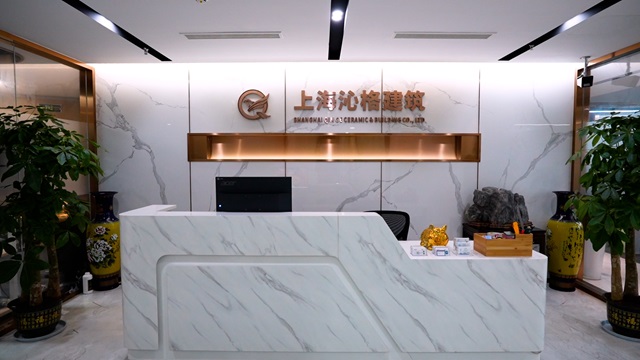
Shanghai Dorni International Trading Co., Ltd. has supplied plywood, formwork and bamboo building materials to importers and contractors since 2008. Its affiliated mill in Dangshan County, Anhui Province runs three complete production lines and supports monthly plywood output of around 6,000 m³.
Quality management follows ISO 9001, production is controlled to CE requirements, and FSC-certified material is available. The company has also been assessed on-site by SGS Group, giving buyers a third-party reference point before placing a first order.
- Global export experience since 2008
- Raw material inspection on site
- Finished product checks before loading
- ODM and full customisation
- Logo, packaging and private label
- Sample-based approval programmes
Certified Quality System
ISO 9001 management, CE-controlled production, FSC availability and SGS on-site assessment support buyer due diligence.
Export Logistics
Goods are usually loaded at Lianyungang or Qingdao. FOB, CFR, CIF, EXW, FAS and CIP terms are accepted, with T/T, L/C, D/P and D/A payment options discussed by order.
Specification Flexibility
Grading can follow BSI, IHPA, JPIS, GB or customer standards. Buyers can request sample-based, design-based or full customisation for LVL headers and mixed wood programmes.
Buyer Confidence
Pre-shipment inspection photos, third-party inspection acceptance and Trade Assurance orders help reduce risk for first-time importers and repeat distributors.
From Veneer to Container: A Traceable Workflow
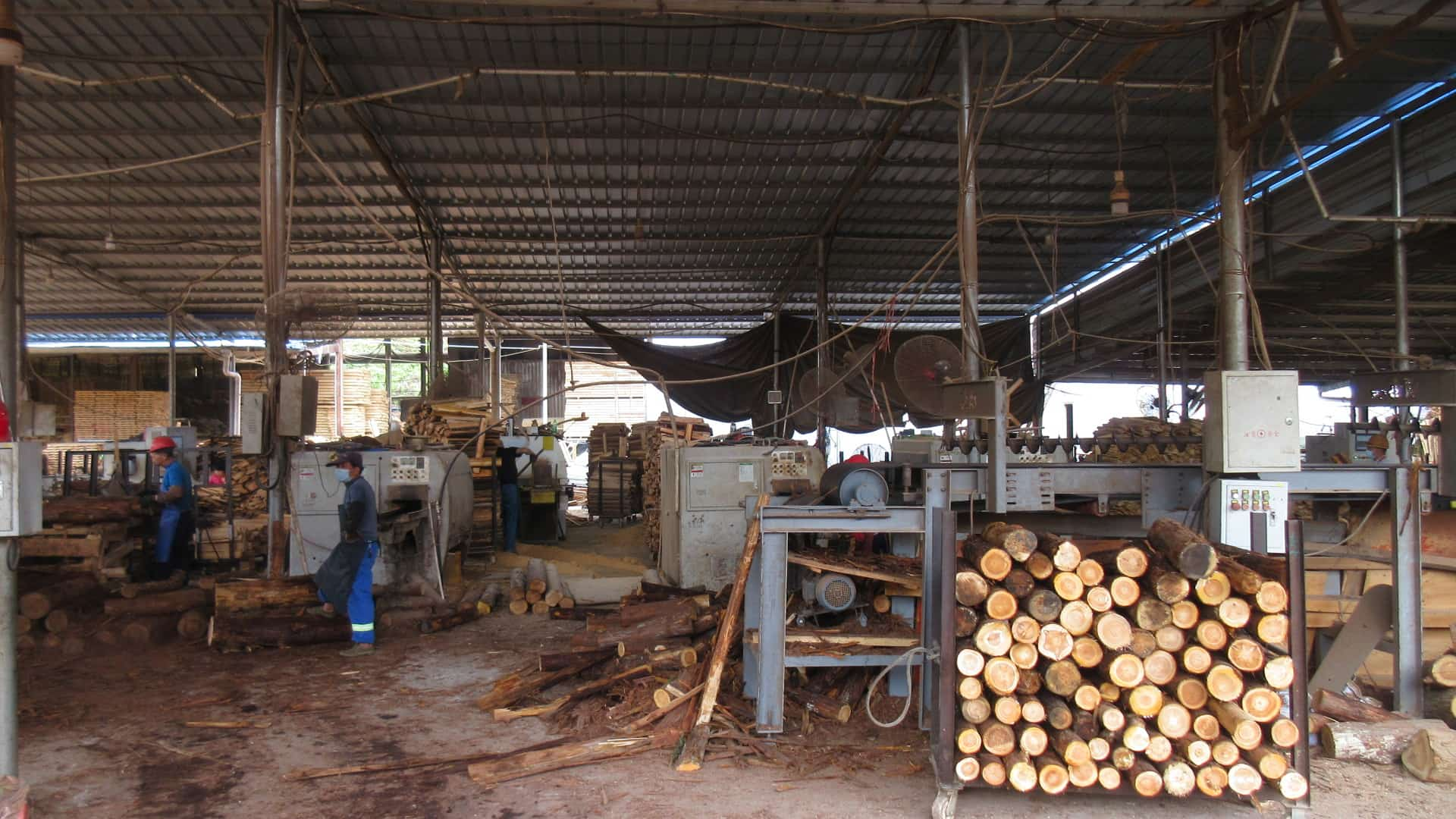
A clean production flow is essential for LVL headers because small process variations become visible on site. Dorni’s workflow keeps specification, inspection and loading within one documented chain.
Veneer Selection
Raw materials checked for species, thickness and visible defects before lay-up.
Drying and Glue
Moisture controlled to target; MR, melamine or phenolic WBP selected by end use.
Press and Calibrate
Controlled pressure and temperature, followed by double-side calibration and sanding.
Inspect and Load
Final QC, packaging review and loading photos prior to shipment from China.
Quality Records Buyers Can Request
For wholesale LVL header programmes, the quotation and pre-shipment package can include dimensions, glue type, moisture target, edge treatment, bundle marking and packaging details. This information helps distributors serve contractors who need a clear technical submittal rather than an informal product description.
- Dimension and squareness check
- Glue and moisture declaration
- Bundle labels and logos
- Loading and packing photos
Common Questions About Wholesale LVL Headers
Clear answers help shorten the quotation cycle. Final specifications should always be confirmed against drawings, destination-market rules and project engineering requirements.
What is the minimum order quantity for LVL headers and related engineered wood?
MOQ depends on the section, grade, packaging and whether the order is mixed with plywood, formwork or decking. Standard plywood programmes may start around 50 m³, while custom LVL headers and LVB are quoted by specification. For trial orders, mixed-product containers can be discussed so the buyer can test packing, machining and site acceptance before scaling.
How do I choose between LVL headers and solid sawn lumber headers?
Solid sawn lumber can be suitable where dimensions, spans and local code allow. LVL headers are usually considered when longer lengths, dimensional stability, reduced twisting and consistent machining are important. The final choice should be based on structural calculation, fire requirements, moisture exposure and the installer’s preferred connection details.
What specifications should I send for an accurate quotation?
Send the header section, length, quantity, required strength or project drawing, glue class, moisture exposure, edge treatment, packaging preference and destination port. If the final load calculation is not ready, provide the opening width, building type and expected use so the export team can propose a practical specification for engineering review.
Which certifications and quality documents are available?
The company operates under an ISO 9001 quality system, controls production to CE requirements, and can offer FSC-certified material. Dorni has also been on-site assessed by SGS Group. Additional grading can follow BSI, IHPA, JPIS, GB or customer standards depending on the product and order volume.
Which ports and Incoterms do you use?
Shipments are usually loaded at Lianyungang or Qingdao port. Dorni accepts FOB, CFR, CIF, EXW, FAS and CIP terms. Payment methods such as T/T, L/C, D/P and D/A can be discussed according to order value, market and buyer history.
Can you supply private-label LVL headers or custom packaging?
Yes. Dorni offers sample-based, design-based and full customisation, including logo printing, edge-sealing colour, bundle marking and packaging. For distributors, clear branding and consistent pack quantities can make warehouse handling and resale easier.
How do you protect moisture-sensitive wood during export?
Moisture control begins before pressing and continues through packing. For humid destinations, buyers can specify moisture-resistant adhesive, sealed edges, end protection and appropriate wrapping. The export team can recommend a packing method based on route, season and unloading conditions.
Can LVL headers be mixed with other Dorni products in one container?
In many programmes, yes. Buyers can consolidate LVL headers with film faced plywood, 3-ply shuttering panels, H20 beams, birch plywood or bamboo decking to improve freight efficiency. Loading sequence, weight distribution and product protection are reviewed before shipment.
Request a Technical Quotation for China Wholesale LVL Headers
Share your drawing, section, length, quantity, glue requirement and destination port. Our export team will return a specification-led proposal with packaging, certification and loading guidance.
Handled by Shanghai Dorni International Trading Co., Ltd. · ISO 9001 · CE-controlled production · FSC-certified material available · SGS on-site assessed supplier.