China Wholesale Laminated Bed Slats Suppliers & Exporters
A procurement-grade guide to LVL bed slat specification, quality assurance, price drivers and export trends — with mill-backed supply from Shanghai Dorni International Trading Co., Ltd.
Eight Verified Export Lines for Consolidated Sourcing
For laminated bed slat projects, Dorni’s LVL/LVB and plywood system is the natural starting point. The eight products below are verified export lines from the same mill-and-export ecosystem. They can be quoted on their own or consolidated with a bed slat trial order, subject to specification, packaging and destination.

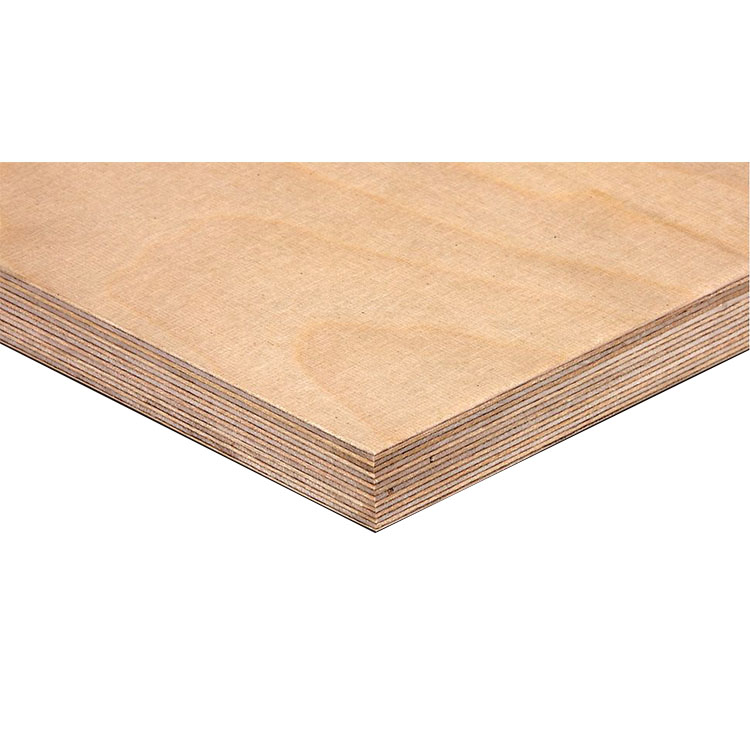
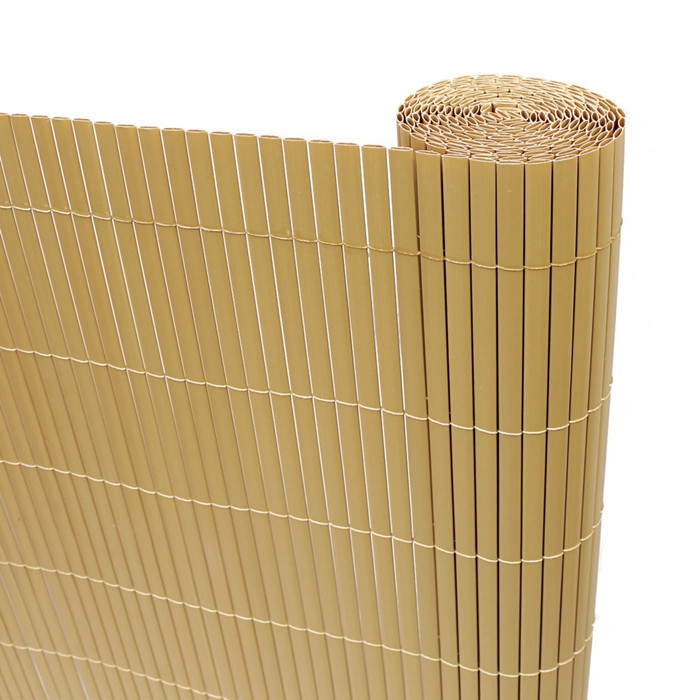
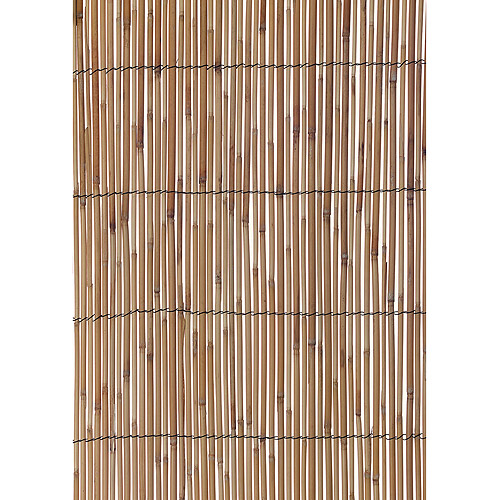
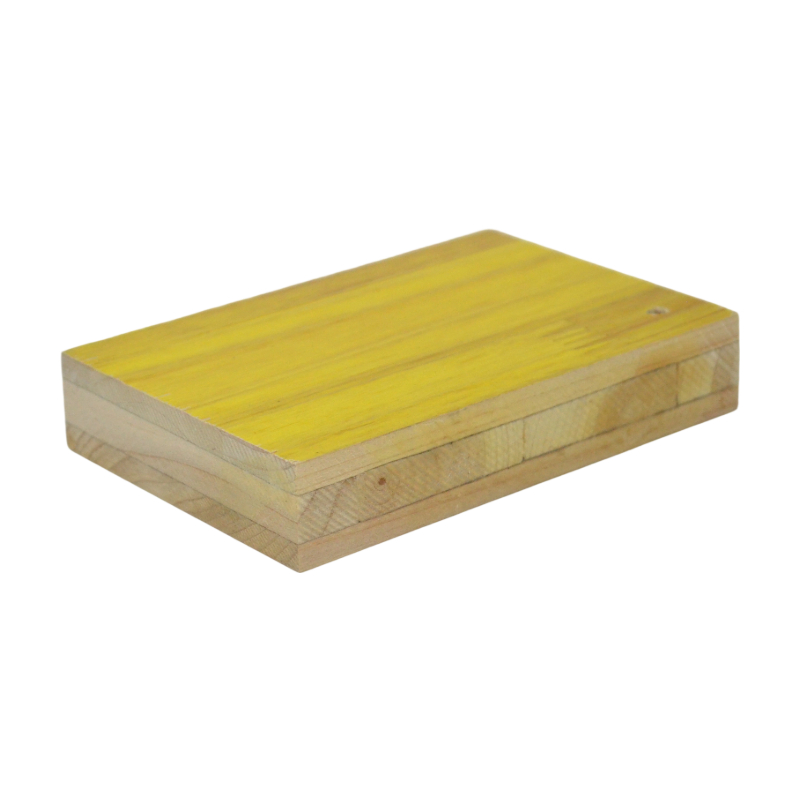
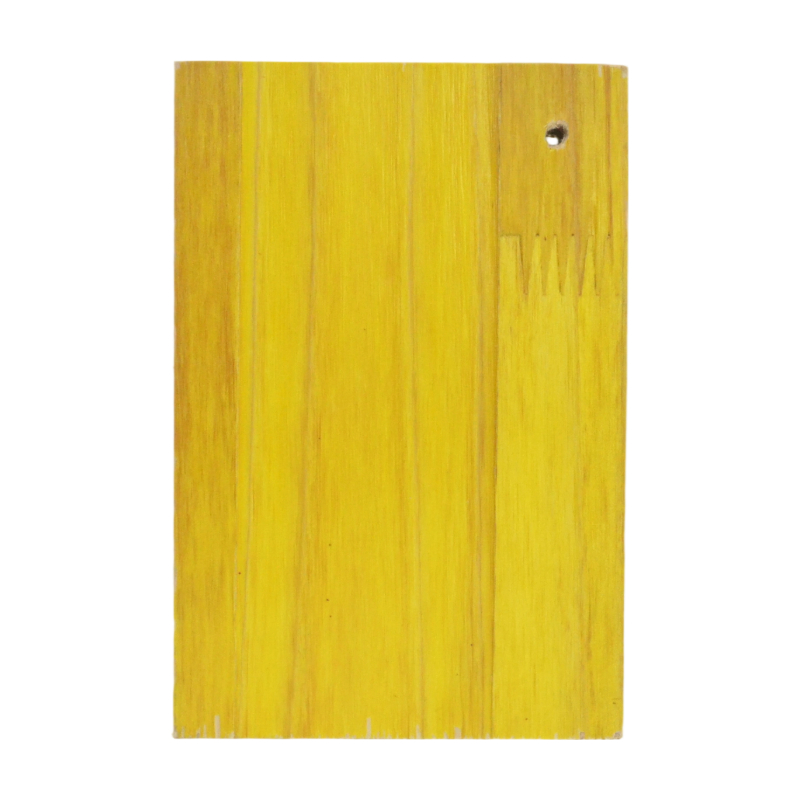

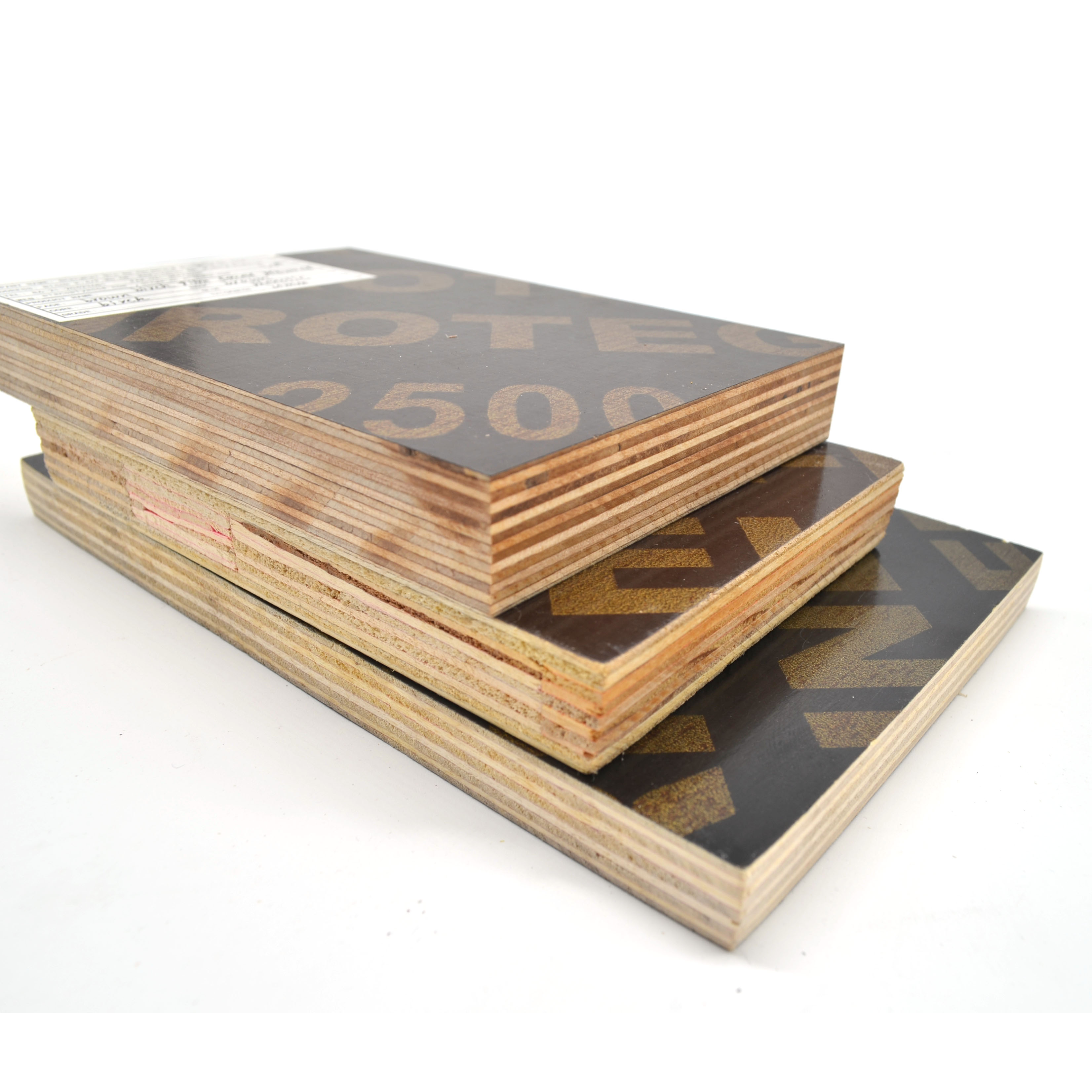
Need a private-label laminated bed slat profile? Send length, width, thickness, curvature, glue, moisture target, packing and destination port. The export team will reply with a technical and commercial proposal.
Get a QuoteYears in export
Founded in 2008, exporting wood panels and building products to global buyers.
Monthly capacity
Plywood output from the affiliated mill in Dangshan County, Anhui Province.
Production lines
Peeling, drying, glue lay-up, pressing, calibrating, sanding and container loading.
Continents served
North America, Europe, South America, the Middle East, Africa and Asia.
Laminated Bed Slats: Specification Before Supplier Comparison
China wholesale laminated bed slats suppliers and exporters are not interchangeable. The right supplier must translate a furniture drawing into veneer architecture, adhesive choice, moisture target, deflection performance, packaging density and export documentation.
China wholesale laminated bed slats suppliers and exporters sit at the intersection of furniture engineering, wood-based panel manufacturing and export logistics. A bed slat looks simple: a narrow strip of laminated veneer, often curved, drilled or end-capped. In use, however, it becomes part of a load-bearing system that must absorb cyclic mattress pressure, distribute point loads, tolerate humidity changes and fit automated furniture assembly lines. Deflection performance, not nominal thickness alone, is the real specification driver. That is why experienced buyers qualify the mill, the veneer architecture and the packing method — not just the FOB price per piece.
For importers comparing China wholesale laminated bed slats suppliers and exporters, the most useful first step is to separate three product families: flat LVL slats, curved bed slats and reinforced slats for platform or box-spring systems. Each family has a different failure mode. A flat slat may fail by permanent set under a concentrated load; a curved slat may lose camber after humidity cycling; a reinforced slat may fail at the fastener or end-joint. The RFQ should state which mode matters most for your bed frame.
What a Laminated Bed Slat Actually Is
In furniture supply chains, “laminated bed slats” usually refers to thin laminated veneer lumber, or LVL, made by bonding veneers with an adhesive under heat and pressure. Poplar, pine, eucalyptus and sometimes birch veneers are common. The finished slat may be flat, radiused, arched or machined with grooves. It may be sanded, edge-sealed, coated, end-capped, drilled or branded. The product is therefore not a commodity in the same sense as a standard sheet of plywood; it is a component manufactured to a bed-frame interface.
Because the slat is thin and long, the balance between stiffness and elasticity matters. Too stiff a slat may create hard pressure points; too flexible a slat may bottom out under the mattress. The adhesive system determines moisture resistance and formaldehyde performance. The veneer grade determines surface quality, internal voids and screw-holding. The press and calibration process determines thickness consistency, which in turn affects automated insertion, stapling and frame assembly. Buyers who specify only “8 mm × 53 mm poplar LVL” leave too much to supplier interpretation.
Why China Remains Strategic for Laminated Bed Slat Programs
China’s advantage in laminated bed slats is not limited to labour cost. It is the depth of the wood-based panel ecosystem: veneer peeling, drying, adhesive supply, press capacity, calibrating, sanding, edge sealing, packaging and export consolidation can be coordinated within a relatively compact industrial network. For furniture brands, that means faster iteration from sample to container and more flexibility on mixed specifications.
At the same time, the supplier base is wide, and capability varies. A credible China wholesale laminated bed slats exporter should be able to discuss veneer yield, glue spread, press cycle, moisture conditioning, tolerance control, static load testing and container cube. A trading company without mill access can still perform well, but it must demonstrate how it controls these variables. A mill-backed exporter can shorten the feedback loop between the buyer’s drawing and the production line.
Veneer Architecture
Define species, veneer thickness, number of plies, defect allowance and grain orientation. These choices control stiffness, elasticity and surface quality.
Adhesive & Emission
Specify E0, E1 or project-specific formaldehyde limits. For humid environments, discuss moisture-resistant adhesive systems with the mill.
Dimensional Tolerance
Width, thickness, length, camber and straightness should be measured at agreed points, not described only by nominal dimensions.
Load & Deflection
Ask for the test load, support span, deflection limit and permanent set allowance. Match the test method to the intended bed system.
Moisture Window
Agree target moisture content and conditioning method. Slats packed too wet or too dry can move after shipment and cause fit problems.
Packaging & Cube
Optimise carton count, bundle protection, pallet pattern and container fill. Packaging is part of landed cost and damage control.
A Practical Pre-RFQ Specification Framework
The following table is a starting point for procurement teams. It is not a substitute for your engineering drawing, but it helps a China supplier quote against the same assumptions. When sending an RFQ for laminated bed slats, attach a PDF drawing, a sample photo, a target price range, an annual volume estimate and the destination port.
| Parameter | Procurement question | Why it matters |
|---|---|---|
| Core material | Poplar, pine, eucalyptus, birch or mixed veneer? What veneer grade and number of plies? | Controls stiffness, elasticity, screw-holding and visual consistency. |
| Adhesive & emission | E0, E1, MR, melamine, phenolic WBP? Which test report is required? | Determines formaldehyde compliance, humidity tolerance and market access. |
| Dimensions | Thickness, width, length, camber, radius and end profile? | Affects fit with the bed frame, automated assembly and mattress support. |
| Load performance | Support span, test load, deflection limit and permanent set allowance? | Defines whether the slat performs as a structural component, not just a strip. |
| Moisture content | Target moisture range, conditioning time and measurement method? | Reduces movement, warping and post-shipment dimensional complaints. |
| Surface & packing | Sanded, coated, edge-sealed, printed, end-capped, shrink-wrapped or carton-packed? | Protects the product and supports retail, OEM or private-label presentation. |
Typical RFQs in the category may mention slat widths around 50–80 mm, thicknesses around 8–12 mm and lengths around 900–1,200 mm, but these are starting points only. Curved slats require a camber specification and a method for checking the curve after packing. Drilled or grooved slats require jig control. Buyers should always confirm final dimensions and performance with their own furniture engineers.
Quality Assurance: The Information Gain That Separates Reliable Suppliers
Quality assurance is where a China wholesale laminated bed slats supplier can create genuine information gain. A mill that can show veneer grading records, glue batch traceability, press cycle logs, moisture readings, thickness measurements and container-loading photos gives the buyer something more valuable than a certificate image: a repeatable process.
At Dorni, production is managed to ISO 9001 and controlled to CE requirements (CE No. 1301-CPD-0569), with FSC material available and SGS on-site assessment. The affiliated mill runs peeling, drying, pressing, double-side calibration and three-head sanding in-house. For a bed slat program, the QC plan should be adapted to the product: veneer defects, glue spread, assembly time, press temperature and pressure, moisture content after conditioning, thickness tolerance, camber consistency, edge quality, static load and packaging drop resistance.
Illustrative procurement weighting used by export teams during supplier and sample review. Buyers should define their own weighting based on bed system, market regulation and warranty policy.
Procurement Trends Reshaping China Wholesale Laminated Bed Slats
The next buying cycle will reward suppliers who can prove process control, not only product appearance. Four trends are particularly relevant for importers, furniture OEMs and private-label brands.
Landed cost per sleep set
Buyers are moving from piece price to landed cost: damage rate, assembly time, container cube and inventory carrying cost now influence supplier selection. A slightly higher FOB price can be cheaper if packaging reduces breakage and freight waste.
Low-emission documentation
E0, E1, FSC and CE-related documentation are increasingly part of the RFQ, especially for branded furniture and markets with strict formaldehyde expectations. Suppliers must connect claims to batch records.
Mixed-container consolidation
Importers are combining bed slat trials with plywood, formwork panels, H20 beams and bamboo products to reduce minimum-order risk and improve container utilisation. A multi-category exporter can simplify this.
Supplier co-development
Private-label brands want suppliers involved in profile design, packaging artwork, assembly aids and replacement-part planning. The relationship is shifting from transactional purchase to component engineering.
Product Development Trends to Watch
Laminated bed slat design is moving toward higher performance and more integrated furniture assembly. These developments create opportunities for buyers who can specify them clearly.
High-camber curved LVL
Curved slats designed for adjustable beds and ergonomic mattress systems require controlled camber, consistent elasticity and moisture-stable adhesive systems.
Hybrid reinforcement
End caps, reinforcing layers, edge sealing and anti-slip surfaces can reduce wear at high-stress points and improve the customer’s unboxing and installation experience.
Humidity-resistant finishes
Coated or sealed slats are being requested for coastal markets, humid climates and mattress systems where condensation risk is higher. The finish must not compromise elasticity.
Ready-to-assemble packaging
Pre-drilled, labelled, bundled or carton-packed slat sets reduce assembly time for furniture factories and e-commerce fulfilment centres. Packaging design becomes part of the product.
Enterprise Advantages: Inside Dorni’s Export System
Shanghai Dorni International Trading Co., Ltd. has exported plywood and building materials since 2008. The export team is supported by an affiliated mill in Dangshan County, Anhui Province, which runs three complete production lines covering peeling, drying, glue lay-up, cold and hot pressing, double-side calibration, three-head sanding and container loading. This mill-backed structure allows the company to discuss bed slat programs with a clearer view of veneer supply, press capacity, packing and shipment timing.
Mill-backed export team
A Shanghai trading team connects international buyers with an affiliated plywood mill in Anhui. This shortens the path from a drawing or sample to a production-ready quotation.
6,000 m³ monthly plywood capacity
Three complete production lines support consistent output for wood-based panel, LVL-related and formwork programs, with container loading coordinated at the mill.
Certification and traceability
Managed to ISO 9001, controlled to CE requirements (CE No. 1301-CPD-0569), with FSC-certified material available. The supplier has also been assessed on-site by SGS Group.
Inspection before shipment
A dedicated QC team inspects raw materials and finished goods. Buyers can request pre-shipment photos, third-party inspection and specification checks before container sealing.
Customization and grading
Sample-based, design-based and full customization are available, including logo printing, edge-sealing colour, packaging branding and grading to BSI, IHPA, JPIS, GB or buyer standards.
Export logistics
Goods are commonly loaded at Lianyungang or Qingdao port. Terms include FOB, CFR, CIF, EXW, FAS and CIP, with multiple payment and market-specific documentation options.
FAQ: China Wholesale Laminated Bed Slats Suppliers & Exporters
What are laminated bed slats made from?
They are typically made from laminated veneer lumber using poplar, pine, eucalyptus, birch or mixed veneers. Veneers are bonded with an adhesive under heat and pressure, then calibrated, profiled, sanded, coated or end-capped depending on the bed frame and market requirement.
What is the minimum order quantity for a bed slat trial?
MOQ depends on dimensions, veneer grade, adhesive, packaging and whether the order is a trial or a full container. The export team can discuss trial quantities and mixed containers. For reference, Dorni’s established plywood lines start from about 50 m³ for standard film-faced and construction plywood, 7–50 m³ for 3-ply shuttering panels, and 100 m² for bamboo decking, subject to specification.
Can you customize length, width, curvature and profile?
Yes. Buyers can provide drawings, samples or target dimensions. Customization can include length, width, thickness, camber, radius, drilling, grooves, edge sealing, end caps, logo printing, bundle labels and carton artwork. Final feasibility should be confirmed against the mill’s tooling and the required tolerance.
Which adhesive and formaldehyde grades are available?
Dorni’s established product system covers MR, melamine, phenolic WBP, E2, E1 and E0 options depending on the product line. For bed slats, the correct choice depends on indoor-use requirements, humidity exposure, target market regulation and the buyer’s own test protocol. Low-emission documentation should be requested in the RFQ.
How do you control quality before shipment?
The QC plan can include veneer inspection, glue and press records, moisture measurement, thickness and width checks, camber consistency, surface review, edge quality, packaging inspection and loading photos. For structural slats, buyers should also agree on a load and deflection test method and sampling plan.
Which certifications and assessments apply?
The mill is managed under ISO 9001, production is controlled to CE requirements, FSC-certified material is available, and the company has been assessed on-site by SGS Group. Grading can be aligned to BSI, IHPA, JPIS or GB standards where relevant to the product and buyer requirement.
Which ports and Incoterms do you use?
Goods are usually loaded at Lianyungang or Qingdao port. Dorni accepts FOB, CFR, CIF, EXW, FAS and CIP terms. Buyers should confirm the nearest port, container type, loading plan and destination charges when comparing quotations.
What is the typical lead time?
Lead time depends on the specification, sample approval, order quantity, packaging and production schedule. A new bed slat program normally requires sample review and buyer approval before bulk production. The export team should confirm the production calendar after receiving the final drawing, deposit and artwork.
Can bed slats be consolidated with other products?
Yes, mixed-product containers can be discussed for trial orders. Dorni exports film-faced plywood, construction plywood, 3-ply shuttering panels, H20 beams, birch plywood, LVL/LVB-related products and bamboo outdoor products, so combining categories can improve container utilisation and reduce trial risk.
How do I start a quotation?
Send the slat drawing, dimensions, target material, adhesive and emission grade, moisture range, load requirement, surface finish, logo and packaging instructions, annual volume and destination port. The export team can then prepare a technical proposal and a live-chat quotation.
Source Laminated Bed Slats with Mill-Backed Confidence
Shanghai Dorni International Trading Co., Ltd. combines an experienced Shanghai export team with an affiliated mill in Anhui, certified production and practical buyer support. Share your bed slat drawing, target volume and destination port, and our team will return a clear technical and commercial response.
Email: info@dorniplywoods.com · Address: Block E, 4/F, No. 58, BOC East Mansion, New Jinqiao Road, Pudong, Shanghai 201206, China.
Request a bed slat quotation
Send dimensions, curvature, glue, moisture target, packing, logo needs and destination port. No additional script is required for the inquiry button below.
Get a Quote