8 Products to Compare With Anti-Slip Plywood in a Mixed Container
These eight catalogue lines are regularly reviewed by importers sourcing formwork plywood, engineered panels and outdoor bamboo products. Product URLs are preserved from the original catalogue; buyers can combine them with anti-slip film faced plywood, H20 beams and shuttering accessories in one commercial inquiry.
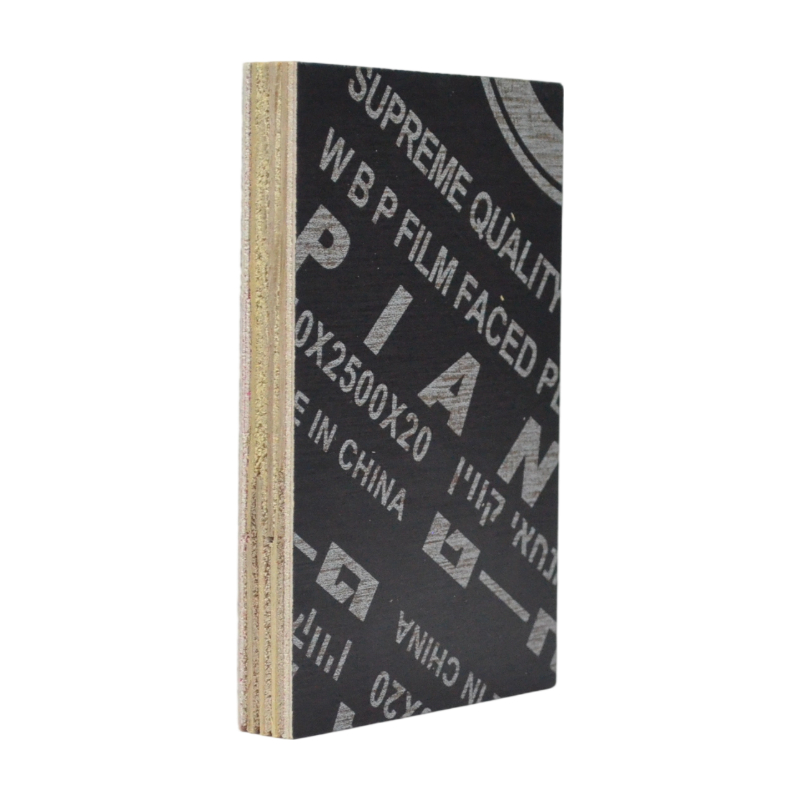
Birch Film Faced Plywood Standard Size High Quality Formwork for Construction Factory Merchants Reusable 1220x2440x18mm Kitchen
Recommended where buyers prioritise dimensional stability, clean concrete faces and repeated handling. Confirm film weight, edge sealing and glue type when comparing anti-slip plywood offers.
View product details →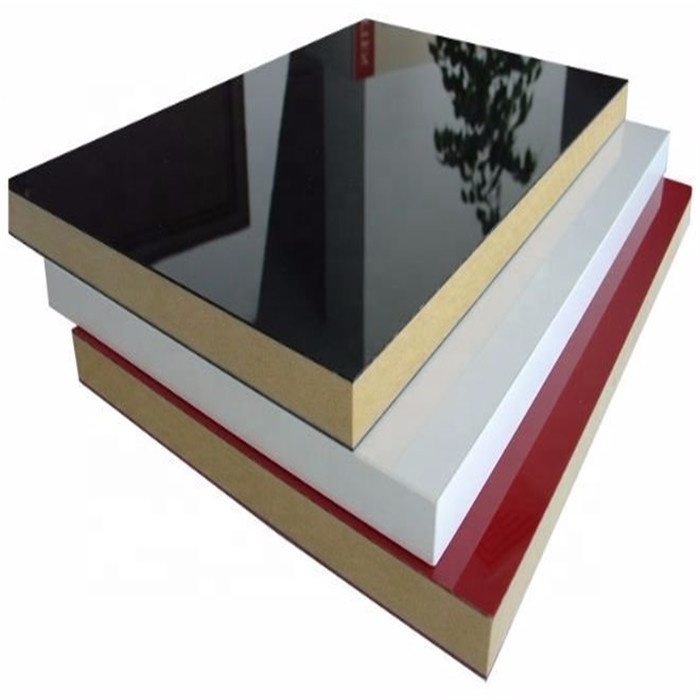
15mm White Painted E1 MDF Board Moisture Resistant Wood Fiber Panel First Class Grade CE CARB Certified Exterior Decoration
Useful for fit-out and decorative applications where low-emission documentation, surface finish and moisture resistance matter alongside structural plywood purchasing.
View product details →
Singer 20mm Engineered Stranded Bamboo Deck Tiles Float Installation UV/Waterproof Coating 5+ Year Warranty Exterior Wall
For hotel, terrace and landscape projects, deck tiles provide a fast floating installation and help distributors widen their external building-material offer.
View product details →
High Quality LEONKING 3-ply Shuttering Plywood Spruce Pine Fir Core UV& WBP Paint Coating 21/27mm Yellow Panel Formwork Easily
A panel-formwork line suitable for buyers seeking consistent thickness, WBP bonding and yellow coating for European-style shuttering systems.
View product details →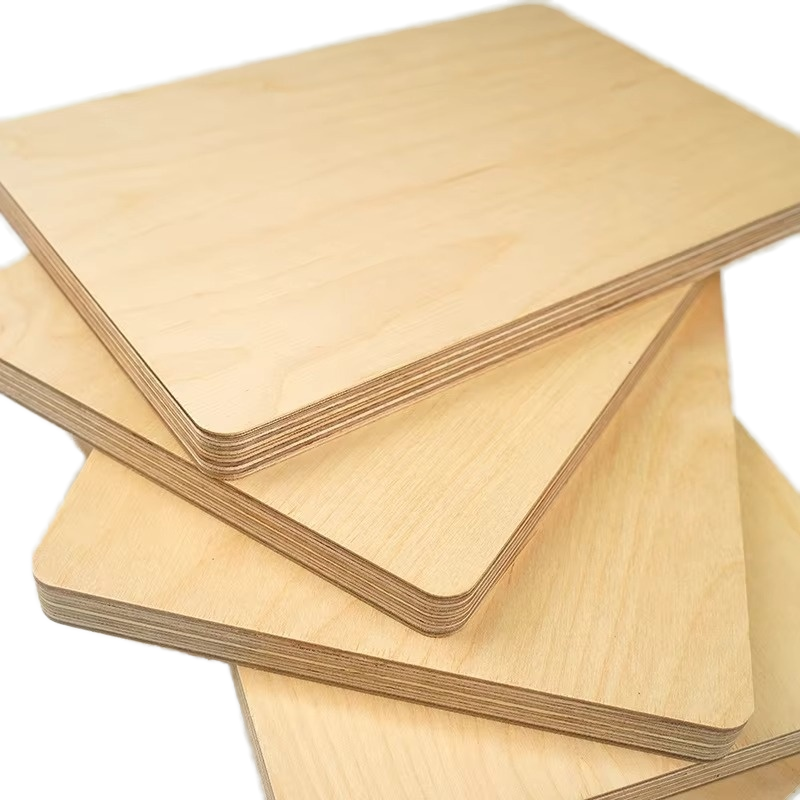
Wanhe CP-52 First-Class Poplar Birch Veneer Plywood E0 Water Resistant Modern Design 1 Year Warranty Outdoor Use Office Building
An E0 water-resistant plywood option for project buyers balancing emission control, surface appearance and exterior or semi-exposed use.
View product details →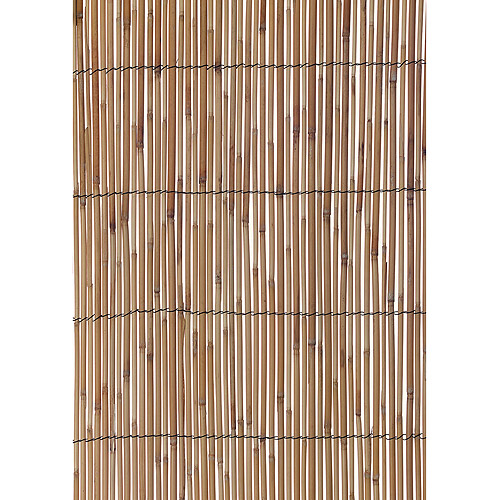
14-16mm High Quality Modern Bamboo Fence with Wood Frame-Eco-Friendly Waterproof Rot & Rodent Proof
For resorts, gardens and landscape contractors, bamboo fencing adds an outdoor system that can be consolidated with decking and shading items.
View product details →
High Quality H20 Beam with Plastic Ends for Construction Phenolic WBP Glue
H20 beams pair naturally with film faced and anti-slip plywood in slab formwork systems; request matching beam length, end-cap and packing details.
View product details →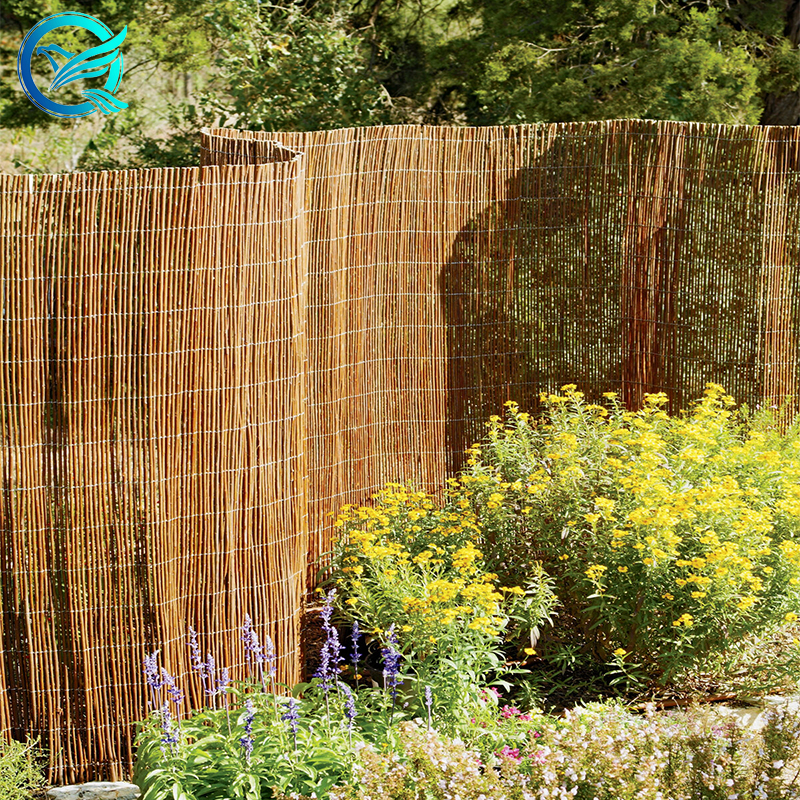
Natural Bamboo Roller Blinds Fence for Door and Pergola Shading
A low-complexity outdoor accessory for door, pergola and patio shading projects, especially useful for mixed-container buyers serving hospitality and residential channels.
View product details →Why Anti-Slip Plywood Is Becoming a Specification-Driven Purchase
Buyers searching for China wholesale anti-slip plywood manufacturers & exporter are rarely looking for a generic plywood sheet. They are usually comparing a safety-related surface property, a formwork reuse target, a transport-floor application, or a wet-climate project where standard film faced plywood may not provide the friction required on site. The purchasing decision therefore shifts from “lowest price per sheet” to total cost per safe pour or per service year.
Anti-slip plywood is normally specified by the film pattern, resin system, core quality, thickness tolerance and edge protection. A raised or textured film can improve grip underfoot, while phenolic WBP glue supports repeated wet stripping and exterior exposure. For formwork decks and access platforms, the critical questions are whether the surface remains identifiable after stripping, whether the panel maintains thickness after cycles, and whether edges are sealed to reduce water ingress.
From an E-E-A-T perspective, a credible supplier should be able to document raw-material inspection, glue type, press control, calibration, final inspection and container loading. Shanghai Dorni International Trading Co., Ltd. supports this buying model through an affiliated mill in Dangshan County, Anhui Province, with three complete production lines covering peeling, pressing, calibrating and sanding. The company has exported wood panels since 2008 and works to ISO 9001, CE and FSC availability, with SGS on-site assessment for buyers who require third-party verification.
For procurement teams, the most efficient approach is to send an RFQ that separates anti-slip film faced plywood from complementary products. That allows the supplier to quote the same container with shuttering panels, H20 beams, birch plywood, bamboo decking and E1 MDF where the destination market supports mixed loading.
The RFQ Formula for Anti-Slip Plywood
- Application: slab formwork, scaffold platform, transport floor, container repair or exterior deck.
- Surface: black/brown film, anti-slip texture, film weight and marking requirements.
- Core: poplar, combi, eucalyptus, birch, finger-jointed or project-specific mix.
- Glue and emission: MR, melamine, phenolic WBP, E2, E1 or E0.
- Size and tolerance: 1220×2440, 1250×2500, 1500×3000 mm or custom cutting.
- Reuse expectation: number of pours, stripping method and edge-sealing colour.
- Documentation: ISO 9001, CE, FSC availability, SGS report and pre-shipment photos.
- Logistics: destination port, mixed-container plan, Incoterm and packaging label.
Anti-Slip Plywood Procurement Trends for 2025–2030
Wholesale buyers are changing how they compare manufacturers and exporters. Price remains important, but it is increasingly evaluated against risk, traceability and application performance.
Compliance Evidence Before Price
Public projects and large contractors increasingly ask for ISO 9001, CE-controlled production, FSC availability and SGS assessment before entering price discussion. For anti-slip plywood, the compliance file should match the exact glue, emission grade and thickness quoted.
Total Cost per Reuse Cycle
Procurement teams are moving from sheet price to cost per pour. A panel that survives more stripping cycles with sealed edges and stable thickness can be cheaper than a low-cost sheet with early delamination, especially when site labour and waste disposal are included.
Mixed-Container Flexibility
Distributors prefer to test several categories in one shipment. A supplier that can load anti-slip formwork plywood with 3-ply shuttering panels, H20 beams, bamboo decking and E1 MDF reduces inventory risk and improves container utilisation.
Regional Supply Diversification
Buyers are qualifying multiple origins and keeping China as a mill-direct option for certified, customised and mixed orders. Export experience matters: ports, Incoterms, document accuracy and pre-shipment inspection directly affect landed cost.
Digital Quality Records
Photos of raw veneer, glue lay-up, press batches, panel edges and container loading are now expected by remote buyers. A simple, consistent QC record reduces disputes and supports repeat orders without an on-site visit.
Low-Emission and Safer Surfaces
E1 and E0 grades, low-formaldehyde resins and improved anti-slip textures are moving from premium options to mainstream requirements in markets with stricter indoor-air and workplace-safety expectations.
How Anti-Slip Plywood and Formwork Products Are Evolving
Product development is no longer only about making panels stronger. It is about making performance measurable, repeatable and easier to specify across markets.
Engineered Surface Texture
Film patterns are being developed for friction consistency, visual identification and release performance. Buyers should ask for samples that show the actual embossing depth, not only a catalogue image, and should compare performance after repeated stripping.
Phenolic WBP and Edge Sealing
Water ingress at panel edges remains one of the main causes of early failure. Waterproof edge paint, accurate trimming and controlled glue spread are becoming specification points rather than optional extras, especially for exterior and wet-site projects.
Low-Emission Resin Systems
E1, E0 and CARB-related requirements continue to influence panel selection. Exporters must be able to match the emission grade to the destination market and provide consistent documentation across repeat orders.
Engineered and Finger-Jointed Cores
Finger-jointed and mixed hardwood cores help balance cost, dimensional stability and availability. For wholesale buyers, the key is to lock the acceptable core definition in the purchase order so that future shipments remain comparable.
Custom Sizes for System Formwork
Projects increasingly request 1250×2500, 1500×3000 or cut-to-size panels rather than one standard sheet. Customisation reduces on-site cutting but requires disciplined packing and loading plans to protect edges in transit.
Integrated Formwork Packages
Anti-slip plywood, 3-ply shuttering panels, H20 beams, LVL and accessories are increasingly quoted together. This package approach improves compatibility, simplifies supplier management and can reduce the number of containers required.
Manufacturing and Export Data Buyers Can Verify
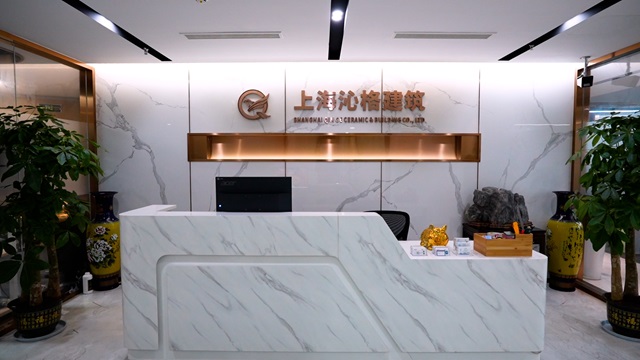
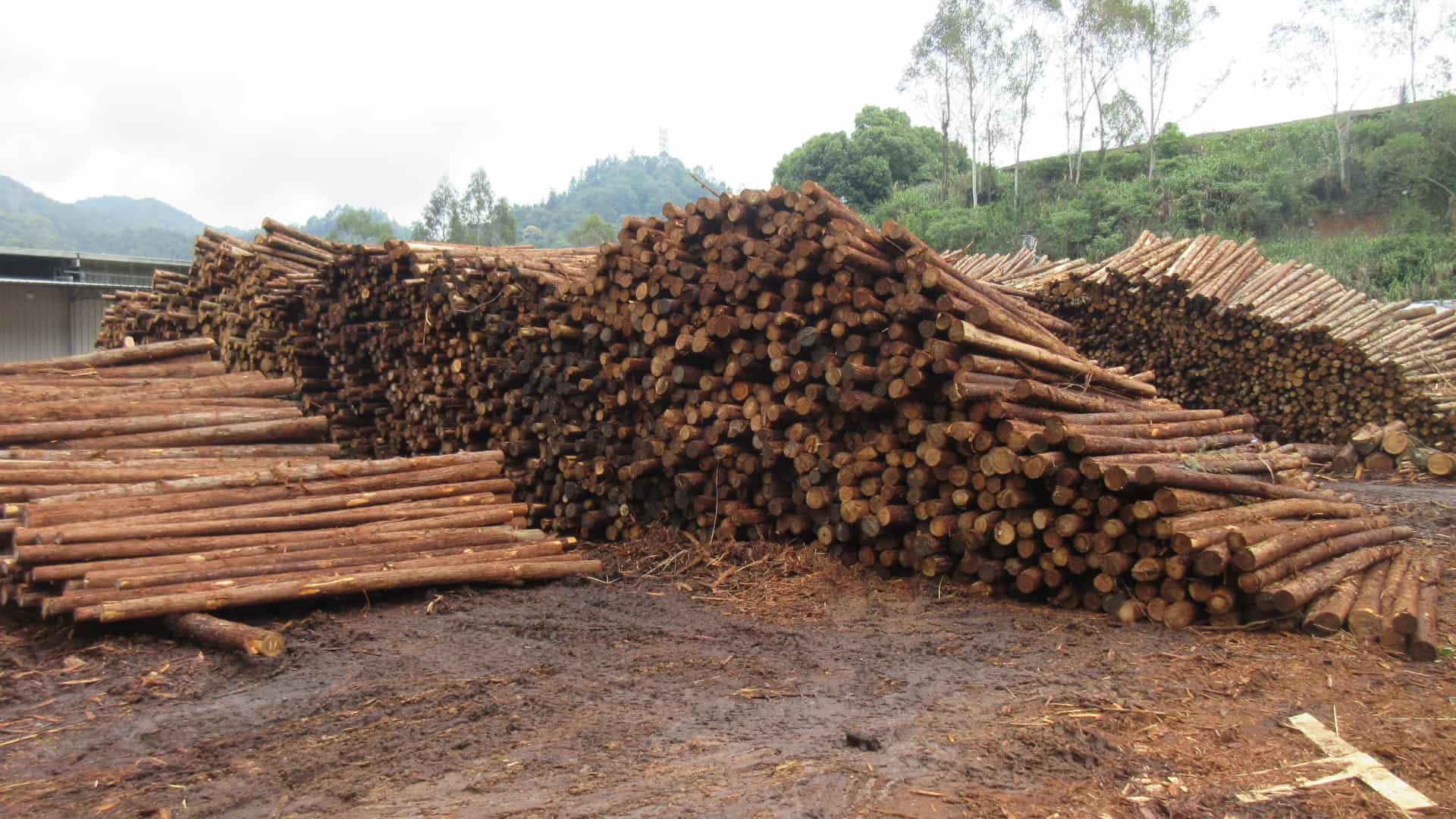
Shanghai Dorni International Trading Co., Ltd. combines a Shanghai export team with an affiliated mill in Dangshan County, Anhui Province. The company has supplied film faced plywood, construction plywood, birch plywood, LVL, H20 beams and bamboo decking to importers and contractors since 2008.
Wood-panel and formwork experience since 2008.
Plywood output from the affiliated mill.
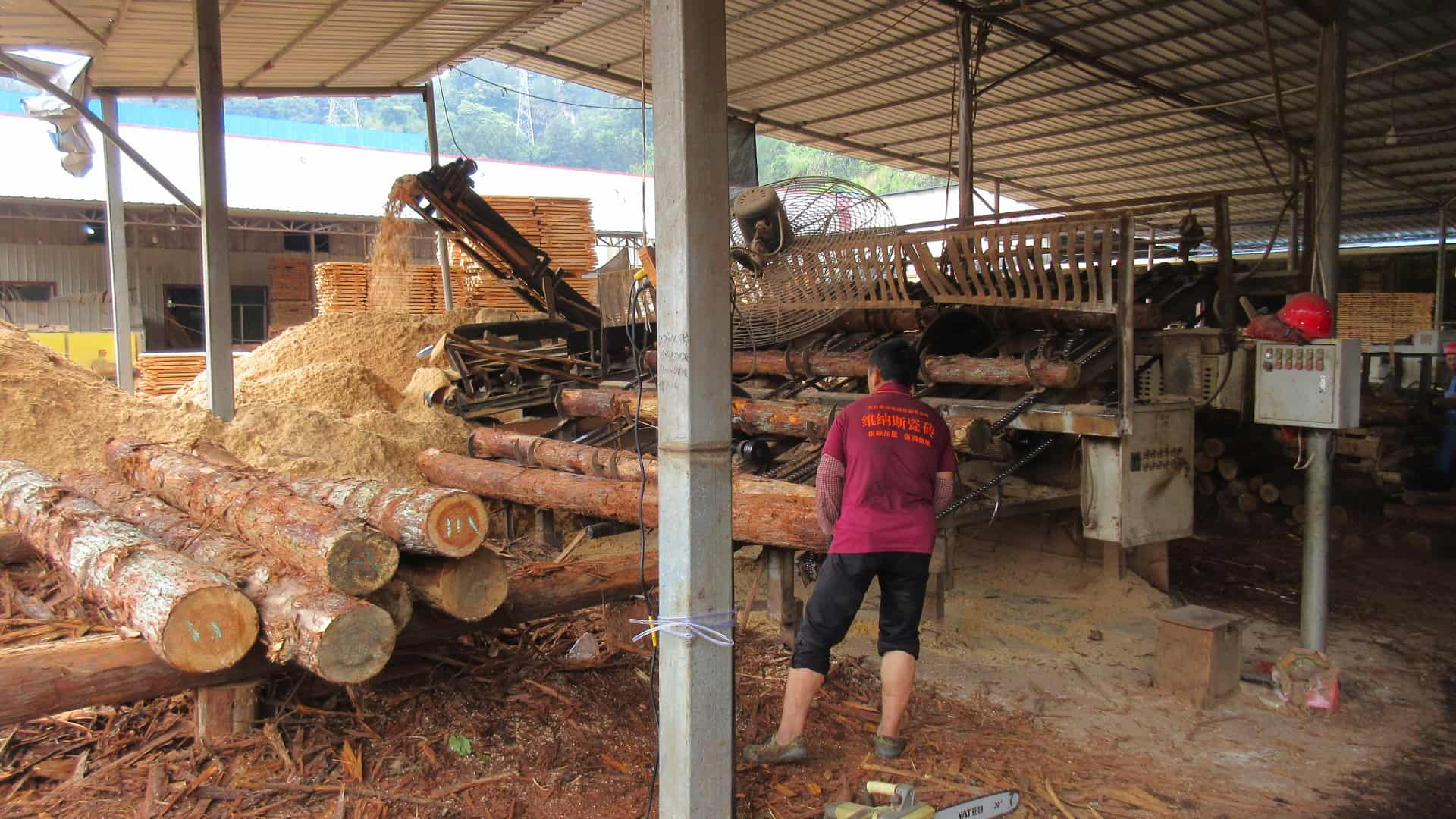
Peeling, pressing, calibrating and sanding.
Review data presented on the supplier profile.
 SGS On-Site Assessed Supplier
A Shanghai Export Team Backed by Its Own Plywood Mill
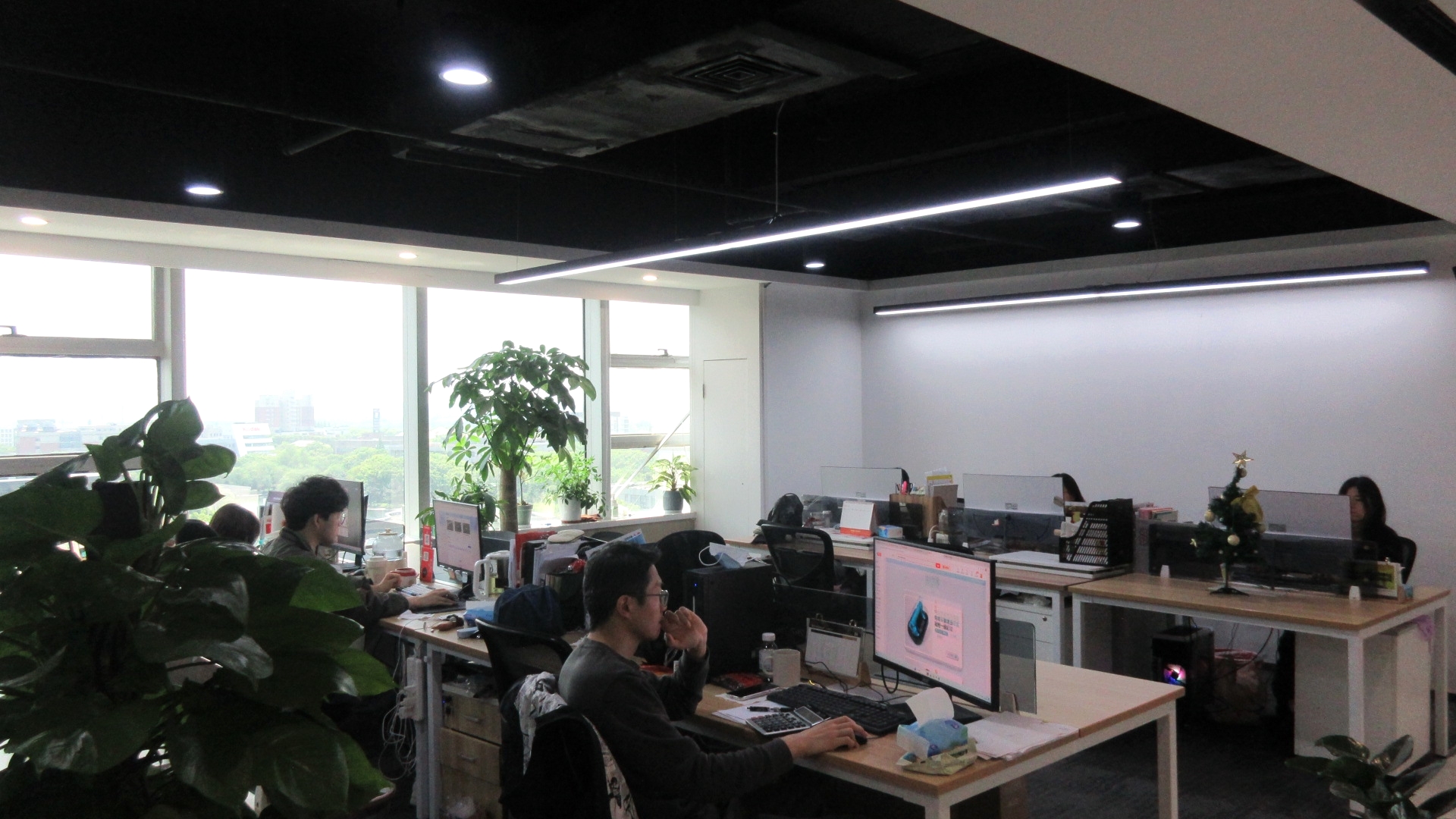
Dorni is not only a trading office. Its affiliated mill operates three complete production lines with peelers, press dryers, oil boilers, double-side calibrators and three-head sanders through to container loading platforms. Production is managed to ISO 9001 and controlled to CE requirements, with CE No. 1301-CPD-0569 referenced for relevant products.
The company reports FSC-certified material availability and has been assessed on-site by SGS Group. A dedicated QC team inspects raw materials and finished goods before loading. For anti-slip plywood and shuttering panel buyers, this means the specification conversation can cover film, glue, core, edge sealing, packing and loading rather than price alone.
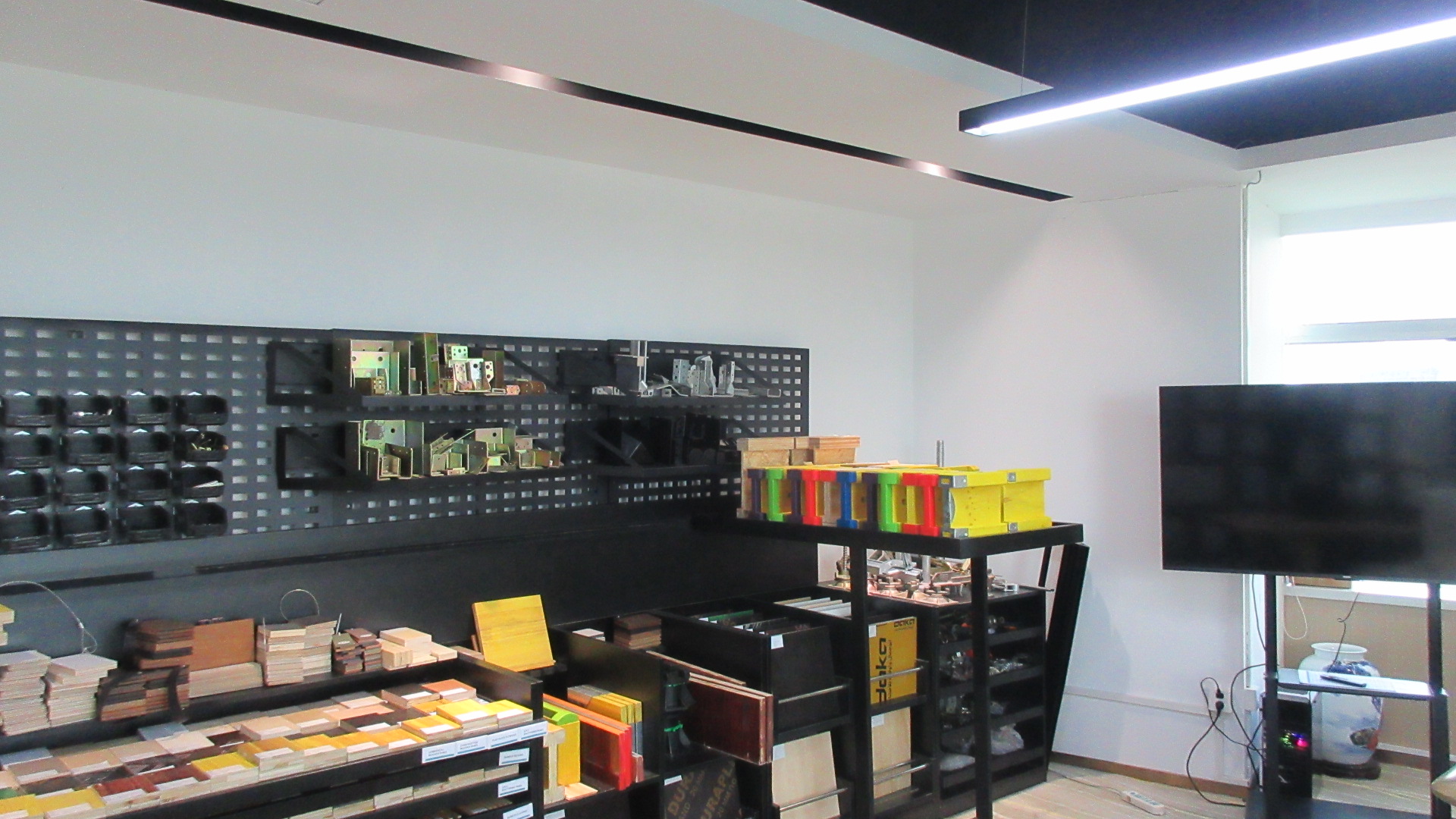
- Custom specifications based on samples, drawings or application briefs.
- Logo printing on film, edge-sealing colour, bundle packaging and private-label support.
- Grading to BSI, IHPA, JPIS, GB or customer-specific standards.
- Thickness range from 2.2 mm to 30 mm; common sheet sizes include 1220×2440, 1250×2500, 1500×3000 and 915×1830 mm.
- Glue options include MR, melamine, phenolic WBP, E2, E1 and E0 grades.
- MOQ guidance: standard film faced plywood from 50 m³, 3-ply shuttering panels from 7–50 m³ depending on specification, and bamboo decking from 100 m².
Documentation That Supports Repeat Wholesale Orders
For professional buyers, certification is most useful when it matches the quoted product, production batch and destination market.
ISO 9001
Mill managed under an ISO 9001 quality management system.

CE Controlled
Production controlled to CE requirements for wood-based panels.

FSC Available
Responsibly sourced timber material available on request.
SGS Assessed
On-site assessment by SGS Group supports remote buyer verification.
EN 314-2 Bonding
Bond quality testing referenced for exterior-grade and birch products.
Which Product Fits Which Procurement Brief?
Use this application-led view to shortlist products before requesting samples and formal quotations.
For Concrete Formwork and Reuse
Start with anti-slip film faced plywood, birch film faced plywood, LEONKING 3-ply shuttering panels and H20 beams. Confirm the number of pours, stripping method, edge-sealing requirement and whether the panel system needs 21 mm or 27 mm thickness. For distributors, consistency across repeat containers is often more valuable than a one-off lower price.
Review 3-ply shuttering panel →For Fit-Out, Decoration and E1 Projects
The 15 mm white painted E1 MDF board and Wanhe CP-52 E0 water-resistant plywood support projects where emission documentation, surface appearance and moisture resistance are visible to the end client. Buyers should state the destination market because documentation expectations differ between regions.
Review E1 MDF board →For Outdoor Hospitality and Landscape
Combine bamboo deck tiles, modern bamboo fencing and natural bamboo roller blinds for resorts, gardens, pergolas and residential terraces. These lines suit distributors that want to add outdoor living products without opening a separate supplier relationship. Request colour, coating and packing details together with the anti-slip plywood quotation.
Review bamboo deck tiles →Practical Export Terms for Wholesale Buyers
Clear logistics assumptions reduce quotation errors and help compare suppliers on a landed-cost basis.
Loading Ports
- Lianyungang Port, approximately 250 km from the mill.
- Qingdao Port, approximately 450 km from the mill.
- Longhai railway and Road 310 are nearby for inland movement.
Trade Terms
- FOB, CFR, CIF, EXW, FAS and CIP.
- T/T, L/C, D/P and D/A accepted according to order terms.
- USD, EUR, GBP, JPY and other currencies discussed per order.
Main Markets
- North America and South America.
- Western and Eastern Europe.
- Middle East, North Africa, Japan, South Korea and Southeast Asia.
Buyer Protection
- Pre-shipment inspection photos before loading.
- Third-party inspection welcome.
- Orders can be discussed through Alibaba Trade Assurance where applicable.
Questions Importers Ask Before Ordering Anti-Slip Plywood
These answers reflect the product, MOQ, certification and logistics information used in the original catalogue and company profile.
What is anti-slip plywood used for in construction and transport?
Anti-slip plywood is used where a safer walking or working surface is needed, such as formwork access decks, scaffold platforms, temporary walkways, vehicle floors, container floors and wet-site applications. The textured film helps improve friction, while the core, glue and edge sealing determine how well the panel performs under repeated handling and moisture exposure.
What is the minimum order quantity for anti-slip or film faced plywood?
Standard film faced and construction plywood starts from 50 m³, roughly two 40HQ containers. 3-ply shuttering panels start from 7–50 m³ depending on specification, and bamboo decking from 100 m². Mixed-product containers can be discussed for trial orders, especially when combining plywood with H20 beams or outdoor bamboo products.
Which glue type should buyers choose for anti-slip plywood?
MR, melamine, phenolic WBP, E2, E1 and E0 grades are available. Phenolic WBP is recommended for formwork that is reused outdoors or exposed to wet stripping. Melamine can be a cost-effective option for projects with fewer reuse cycles. E1 and E0 grades should be specified when indoor-air or destination-market emission requirements apply.
Can Dorni customise film pattern, logo, edge colour and packaging?
Yes. The company offers sample-based, design-based and full customisation, including logo printing on film, edge-sealing colour, bundle packaging and private-label requirements. Grading can be aligned to BSI, IHPA, JPIS, GB or a customer-specific standard. Buyers should provide a clear application brief and reference sample where possible.
Which certifications and assessments are available?
The mill is managed under ISO 9001, production is controlled to CE requirements, and FSC-certified material is available. The company has been assessed on-site by SGS Group. CE No. 1301-CPD-0569 is referenced for relevant products. Buyers should request the certificate package that matches the exact product and destination market.
What sizes and thicknesses can be produced?
Plywood thickness ranges from 2.2 mm to 30 mm. Common sheet sizes include 1220×2440 mm, 1250×2500 mm, 1500×3000 mm and 915×1830 mm. 3-ply panels are commonly 500×2000/3000 mm in 21 mm or 27 mm. Custom sizes are available, but buyers should plan packing and container loading carefully to protect panel edges.
How do I verify quality before the container ships?
Ask for raw-material inspection records, glue and emission details, thickness checks, edge-sealing photos, bundle labels and loading photos. Third-party inspection is welcome. For repeat orders, keep the approved sample and specification sheet as the reference standard so that each production batch can be checked against the same criteria.
Can the eight listed products be combined with anti-slip plywood in one container?
Mixed loading can be reviewed based on quantity, packing, destination port and container utilisation. A practical inquiry should list each product, size, quantity, target port and required certification. The export team can then advise whether a mixed container is commercially efficient or whether a separate loading plan is more suitable.
Share Your Specification — Our Export Team Replies Within 24 Hours
Send the application, core type, glue, emission grade, thickness, sheet size, order quantity and destination port. Our team can prepare a technical proposal for anti-slip plywood, 3-ply shuttering panels, H20 beams, birch plywood, E1 MDF, bamboo decking and other mixed-container items.
ISO 9001 · CE · FSC availability · SGS assessed supplier · 6,000 m³ monthly capacity