8 Products Buyers Evaluate Before Placing a Container Order
These eight product families reflect real sourcing demand across construction, furniture, transport, landscaping and musical-instrument applications. Every product URL is preserved so procurement teams can move from evaluation to specification quickly.
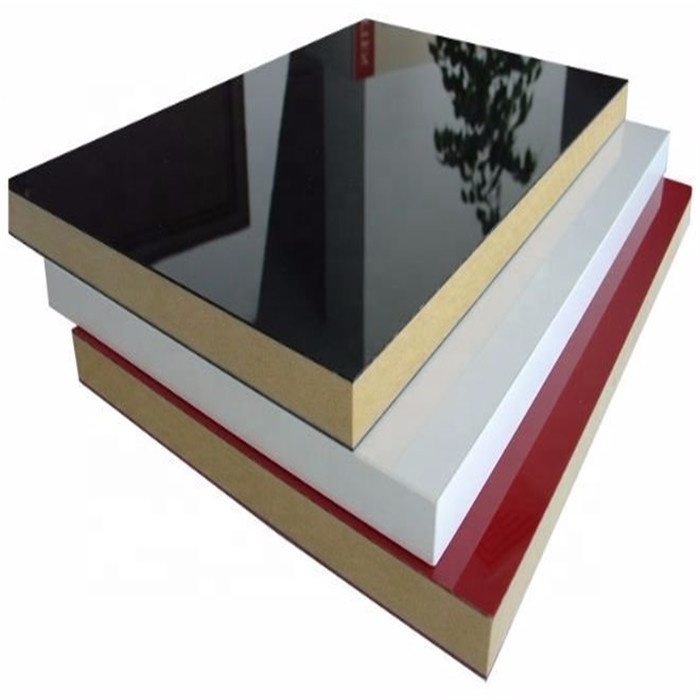
15mm White Painted E1 MDF Board Moisture Resistant Wood Fiber Panel First Class Grade CE CARB Certified Exterior Decoration
A decorative moisture-resistant MDF for exterior-signage, wall-panel and cabinetry applications where a stable painted surface and low-emission documentation matter. Confirm E1 grade, CE/CARB papers and edge sealing for humid service.
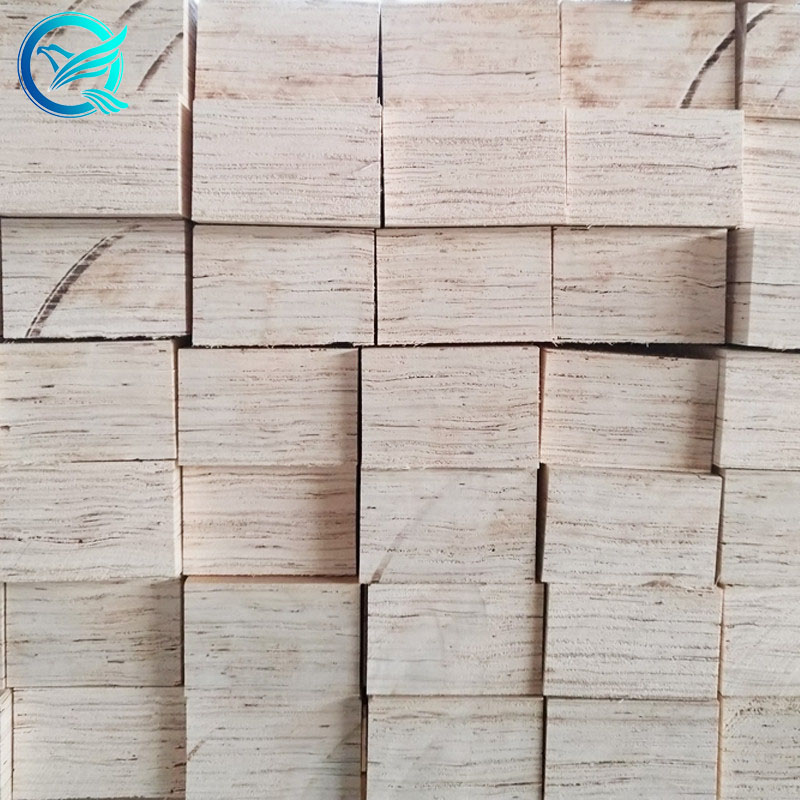
Poplar LVL Beams Laminated Veneer Lumber Board Double-Sided Decorative Surface for Bed Slats Packing Boxes Exterior Use
Engineered poplar LVL for bed slats, packing boxes and exterior-use components. Consistent density and reduced warping support automated production; confirm glue type, thickness tolerance and load direction.
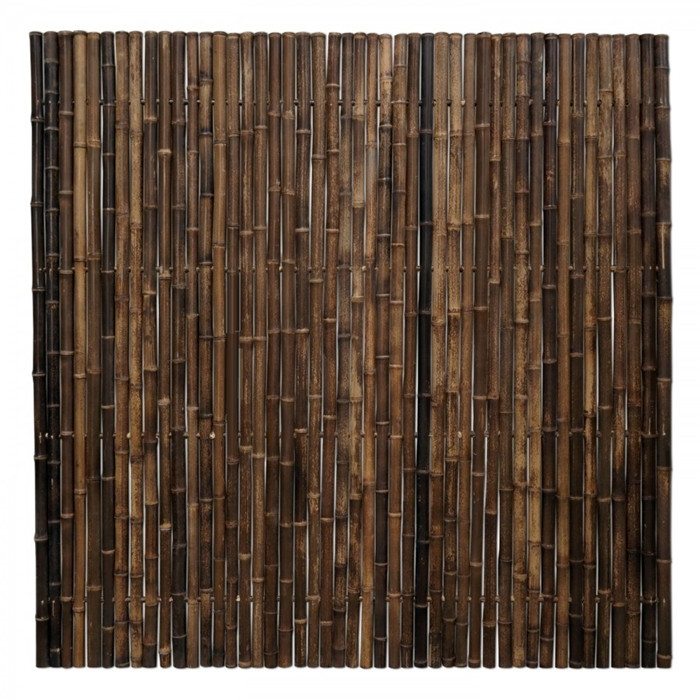
High 2m Bamboo Fence for Garden Bamboo Fence for Yard
High 2m bamboo fencing for privacy, landscape screening and hospitality projects. Specify pole diameter, height tolerance, binding method and surface treatment to match long-term outdoor exposure.
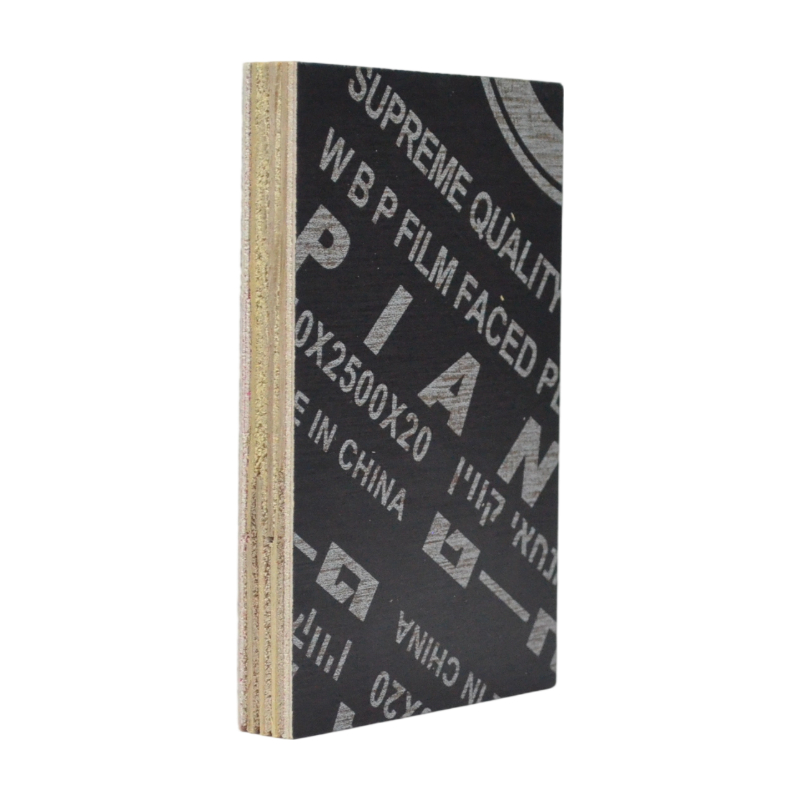
Birch Film Faced Plywood Standard Size High Quality Formwork for Construction Factory Merchants Reusable 1220x2440x18mm Kitchen
Birch film-faced plywood in 1220×2440×18mm for concrete formwork and reusable shuttering. Evaluate film grade, edge sealing, phenolic WBP bond and target pour cycles against the project schedule.
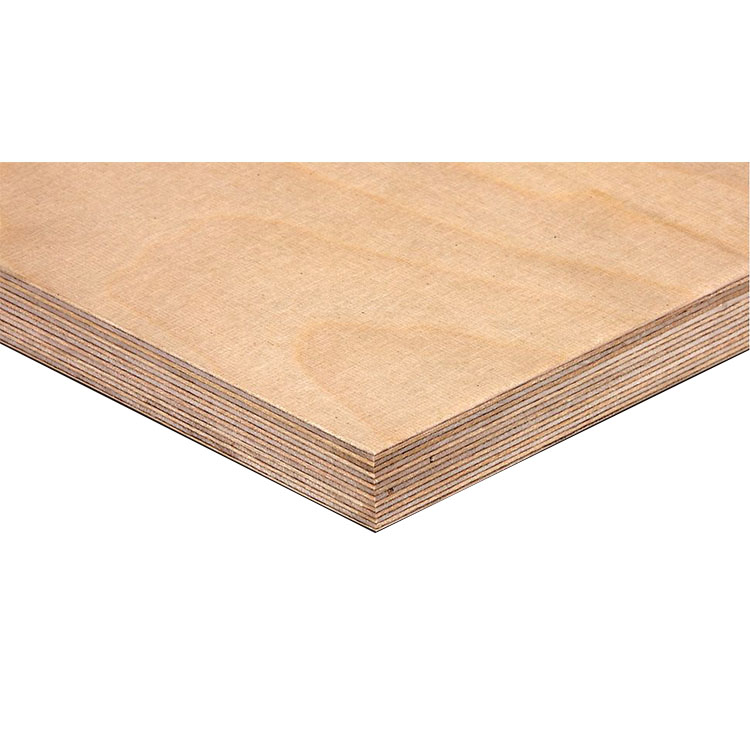
Film Faced UV Coated Double-Sided E0 Certified First-Class Certified for Certified Low Formaldehyde Piano Brand Birch Plywood
UV-coated, double-sided E0 birch plywood for piano components, premium cabinetry and low-emission interiors. Request coating gloss, substrate grade, formaldehyde test reports and machining samples.
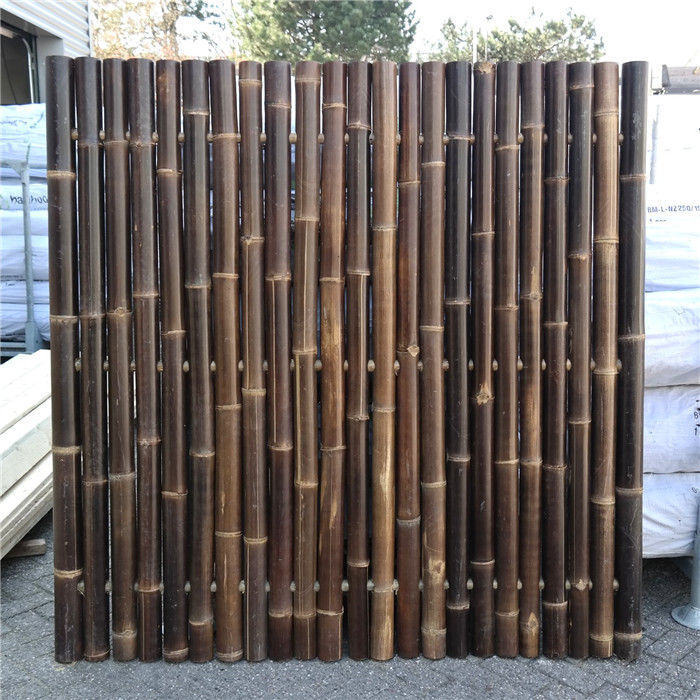
High 2m Bamboo Fence Screening
High 2m bamboo screening for yards, terraces, resorts and urban landscape edges. Confirm panel or roll format, packing density, colour consistency and UV durability before bulk shipment.
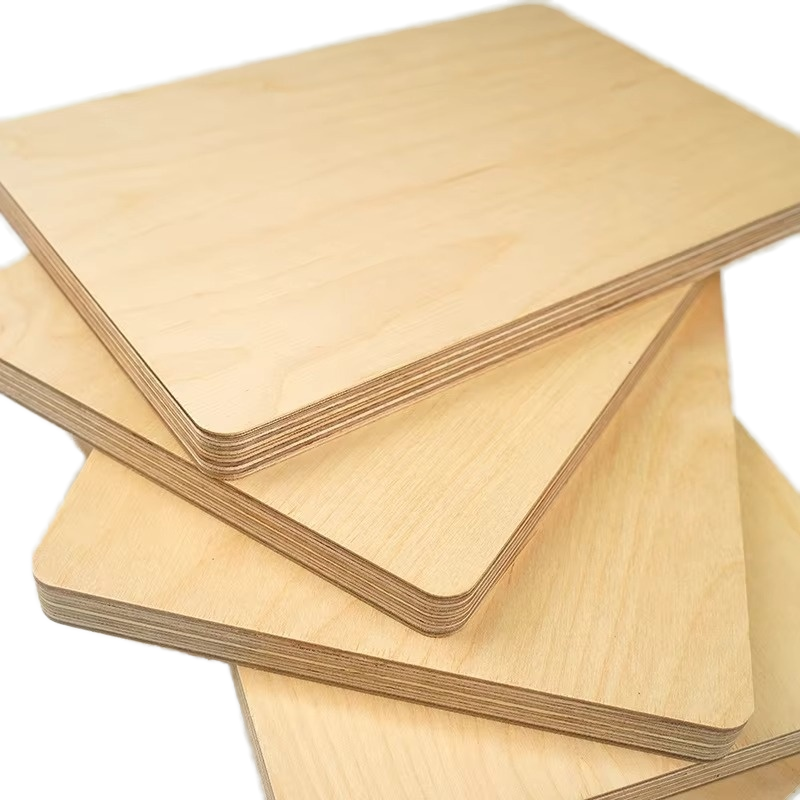
Wanhe CP-52 First-Class Poplar Birch Veneer Plywood E0 Water Resistant Modern Design 1 Year Warranty Outdoor Use Office Building
Wanhe CP-52 poplar-birch veneer plywood with E0 water-resistant glue for outdoor and office-building applications. Verify face grade, glue-line quality, warranty terms and exposure limits.

High Quality H20 Beam with Plastic Ends for Construction Phenolic WBP Glue
H20 timber beam with plastic end caps and phenolic WBP glue for slab formwork and secondary beams. Check flange integrity, end-cap fit, straightness and load data when matching panel systems.
Specification note: product images are shown in full without forced cropping. Confirm final grade, glue, emission class, dimensions and packaging against your project standard before order confirmation.
Years in export
Shanghai trading team operating since 2008.
Monthly capacity
Plywood output from the affiliated mill.
Complete production lines
Peeling, pressing, calibrating and sanding in-house.
Buyer rating signal
38 rating records published on the supplier profile.
Plywood Sheathing in 2026: From Commodity Sheet to Verified System
The search for a China top plywood sheathing factory now blends commercial intent with technical due diligence. Buyers are not only comparing price per cubic metre; they are auditing glue chemistry, veneer quality, dimensional tolerance, certification scope, packaging discipline and shipping reliability.
For distributors, contractors and industrial buyers, plywood sheathing is rarely a stand-alone purchase. It sits inside a system: concrete formwork needs film-faced panels and H20 beams; roof and floor sheathing needs CDX or underlayment; retail programmes need consistent face grades and private-label packaging; landscape projects need bamboo and exterior panels that survive handling and weather.
A top-tier supplier therefore acts as a specification partner. The strongest factories combine veneer control, resin and glue expertise, press discipline, thickness calibration, edge sealing and pre-shipment inspection. They also provide documents that procurement teams can file: ISO 9001 system evidence, CE control records, FSC chain-of-custody options, SGS on-site assessment records and batch-level inspection photos.
This page is written for that decision stage. It explains how to compare the eight product families above, which procurement trends will shape 2026–2030 buying, how product development is changing panel specifications, and why a Shanghai export team backed by its own mill can reduce quality surprises.
Information gain for buyers: use total cost of ownership rather than FOB price alone. A panel that survives more pours, reduces edge chipping and arrives with predictable moisture content often lowers the installed cost even when the invoice price is higher. Ask for reuse assumptions, waste allowance, packing method and replacement policy before awarding a container.
Supplier verification checklist
- Confirm legal entity, mill affiliation and production capacity.
- Match glue and emission grade to the real exposure condition.
- Verify certification scope, not just logo use.
- Review QC records, loading photos and packaging drawings.
- Compare Incoterms, port distance and inspection access.
- Test samples under your own machining and finishing process.
Choose the Panel by Exposure, Reuse Cycle and Surface Finish
Plywood sheathing performance is driven by the interaction between core, glue, film or coating, edge protection and jobsite handling. The same nominal thickness can behave very differently when the glue line or veneer grade changes.
Concrete formwork
Specify film-faced plywood with phenolic WBP glue for repeated pours. Check film thickness, edge paint, flatness and reuse target. Pair with H20 beams where the formwork system requires engineered girders.
Structural sheathing
For roof, floor and wall bracing, evaluate CDX or underlayment plywood by span rating, exterior glue, thickness tolerance and panel squareness. Avoid substituting decorative panels where structural approval is required.
Transport and packaging
LVL, plywood and engineered boards used in packaging need consistent density, screw-holding strength and clean edges. Bed slats and packing boxes benefit from straightness, low warping and stable thickness.
Outdoor and landscape
Bamboo fencing, UV-coated panels and water-resistant plywood should be selected by exposure, colour retention, coating system and installation detail. Ask for packing and moisture-protection measures.
What Plywood Buyers Will Prioritise in 2026–2030
Procurement is becoming more analytical. Buyers want fewer suppliers, stronger documentation and predictable total cost, while still retaining flexibility for project-specific specifications.
Traceability and batch data
Buyers will expect batch-level records for veneer origin, glue type, pressing parameters and final inspection. Digital photos and loading reports reduce disputes and support ESG reporting.
Low-emission as an entry ticket
E1, E0 and CARB-oriented requirements are moving from premium options to baseline expectations in many markets. Specify test method and report language so the certificate matches the destination regulation.
Total cost of ownership
Reuse cycles, waste, handling damage, coating performance and replacement frequency matter more than a single FOB quote. A slightly higher panel cost can be justified by fewer site replacements.
Mixed-container consolidation
Distributors increasingly combine film-faced plywood, LVL, MDF, bamboo products and accessories in one shipment. Supplier breadth and packaging discipline become key differentiators.
China plus one sourcing
Dual sourcing does not remove the need for a strong China partner. Buyers keep China for scale and technical depth while adding regional stock for urgent projects and tariff flexibility.
Remote supplier verification
Video factory tours, third-party inspection, live loading checks and cloud document rooms are becoming standard. Verification should be planned before production, not after the container is sealed.
Where Plywood and Panel Technology Is Moving Next
Product development is being shaped by longer service life, lower formaldehyde, better surface performance and system-level compatibility with modern formwork and interior manufacturing.
Higher-reuse phenolic film
Phenolic-bonded film-faced plywood continues to replace lower-cost bonds in projects where repeated pours and reduced site waste are priorities. Edge sealing and film quality are becoming buying criteria.
Engineered LVL and H20 systems
LVL beams, bed slats and H20 girders offer dimensional stability and predictable strength. Fabricators want tight tolerances, plastic ends and moisture protection that fit automated assembly lines.
Low-formaldehyde MDF and plywood
E0 and E1 specifications are expanding into decorative panels, cabinetry and office interiors. Suppliers that can match resin systems to target emission classes have an advantage in regulated markets.
UV and decorative surfaces
UV-coated birch plywood, white-painted MDF and decorative veneers reduce finishing steps for furniture and interior fabricators. Buyers increasingly test gloss, scratch resistance and colour consistency.
Bamboo outdoor systems
Bamboo fencing, decking and screening remain attractive for resorts, gardens and urban landscaping. Product development focuses on colour stability, connection details and packaging for long-distance shipping.
Specification bundles
Buyers prefer suppliers who can combine panel, beam, edge protection and packaging into one technical proposal. This reduces coordination risk and makes container loading more efficient.
A Shanghai Export Team Backed by Its Own Plywood Mill
Shanghai Dorni International Trading Co., Ltd. combines international sales, documentation and logistics with an affiliated mill in Dangshan County, Anhui Province. This structure helps buyers move from sample approval to repeat container supply with fewer hand-offs.
The affiliated mill operates three complete production lines covering peeling, veneer drying, glue lay-up, cold and hot pressing, double-side calibration and sanding through to container loading. With approximately 6,000 m³ monthly plywood capacity, the team can support distributor programmes, project orders and mixed-product containers.
Production is managed to ISO 9001 and controlled to CE requirements, with FSC-certified material available on request. The company has also been assessed on-site by SGS Group. A dedicated QC team inspects raw materials before production and checks finished goods before every loading, helping reduce claims caused by delamination, thickness variation or packaging damage.
Customization is available through sample-based, design-based and full private-label programmes. Options include logo printing on film, edge-sealing colour, bundle packaging, grading to BSI, IHPA, JPIS, GB or customer standards, and mixed specifications within a container where practical.
 Mill-backed quality control
Integrated manufacturing
Mill affiliation supports faster specification checks, production visibility and consistent capacity for repeat orders.
Certification and assessment
ISO 9001, CE control, FSC options and SGS on-site assessment give procurement teams verifiable evidence.
Raw material and finished QC
Incoming veneer, glue and panel checks are matched with final thickness, surface, edge and packing inspection.
OEM and private label
Logo printing, custom film, edge paint, packaging design and grading to international or buyer standards are available.
Export logistics
Loading from Lianyungang or Qingdao; FOB, CFR, CIF, EXW, FAS and CIP terms can be quoted for container planning.
Buyer protection
Pre-shipment photos, third-party inspection access and Trade Assurance orders help reduce first-order risk.
Certified Production and Traceable Process Control
Certification is most useful when it is connected to production discipline. Ask how the factory controls veneer moisture, glue spread, press cycles, thickness tolerance and edge sealing for the exact product you are buying.
ISO 9001
Quality management system for mill operations.
CE controls
Production controlled to CE requirements for wood-based panels.
FSC option
Responsibly sourced material available on request.
SGS assessed
On-site supplier assessment by SGS Group.
Raw material check
Veneer, core, glue and film are inspected before production.
Press control
Glue lay-up, temperature and pressure are controlled by product specification.
Calibrate and finish
Thickness, surface, edge sealing and coating are checked to buyer requirements.
Final QC and loading
Finished bundles are inspected, photographed and packed for container shipment.
Illustrative reuse-cycle planning range
Use these as planning references only. Actual service life depends on panel grade, site handling, formwork design, stripping method and maintenance.
Compare Product Families Before Requesting a Quotation
This quick-reference table helps buyers align product family, glue class, typical thickness and application before moving to samples and final pricing.
| Product family | Typical core / face | Glue or grade options | Typical thickness | Best-fit application |
|---|---|---|---|---|
| Film faced plywood | Poplar, combi, eucalyptus, birch, finger-jointed core | Melamine, phenolic WBP, E1 / E0 options | 12, 15, 18, 21 mm | Concrete slab, wall, column and reusable formwork |
| 3-ply shuttering panel | Spruce, fir, pine or poplar | Phenolic bond with yellow coating | 21 or 27 mm | Panel formwork, tables and wall systems |
| H20 timber beam | Timber flanges and plywood web | Phenolic WBP with plastic ends | 200 mm height | Slab formwork girders and secondary beams |
| Birch / UV plywood | Birch core with film or UV coating | WBP, E0, decorative surface | 3–21 mm | Marine, vehicle floors, piano, cabinetry, laser cutting |
| MDF and decorative panel | Wood fibre, painted or veneered face | E1 / E0, moisture resistant | 15 mm and project-specific | Exterior decoration, wall panels, cabinetry |
| LVL / LVB | Poplar or pine veneer | Phenolic or MR | To order | Scaffold planks, door cores, packaging, bed slats |
| Bamboo fence / screening | Natural bamboo poles or split bamboo | Outdoor treatment options | 2 m height | Garden privacy, resorts, parks, landscape edges |
Common sheet sizes include 1220×2440, 1250×2500, 1500×3000 and 915×1830 mm. Grading can be aligned to BSI, IHPA, JPIS, GB or buyer standards. Always confirm the final specification in the sales contract.
Container Planning, Incoterms and Market Coverage
Price is only one part of landed cost. Port choice, container loading plan, packaging and documentation affect schedule reliability and damage rates.
Loading ports
Lianyungang and Qingdao are the usual loading ports, supported by rail and road connections near the mill.
Trade terms
FOB, CFR, CIF, EXW, FAS and CIP can be quoted. Payment terms may include T/T, L/C and other agreed instruments.
Main markets
North America, South America, Western and Eastern Europe, the Middle East, North Africa, Japan, South Korea and Southeast Asia.
Inspection access
Pre-shipment photos, third-party inspection and Trade Assurance orders help first-time buyers verify quality.
Questions Importers Ask Before Ordering Plywood and Formwork
Clear answers reduce quotation cycles. If your specification falls outside the examples below, send the application and exposure condition with your inquiry.
What does “Chinese top plywood sheathing factory” mean in practical buying terms?
It means more than a trading company with a product list. A top factory should control veneer selection, glue chemistry, pressing, thickness calibration, surface finishing and final QC. It should also provide verifiable records such as ISO 9001 management evidence, CE controls, FSC options, SGS assessment and pre-shipment inspection photos. For sheathing and formwork, the factory must understand the application—not only the nominal panel size.
What is the minimum order quantity for film faced plywood and other panels?
Standard film faced and construction plywood often starts from around 50 m³, roughly two 40HQ containers. 3-ply shuttering panels may start from 7–50 m³ depending on specification, and bamboo decking or fencing can start from smaller area-based quantities. Mixed-product containers can be discussed for trial orders, but the final MOQ depends on dimensions, packing and production scheduling.
Which glue and emission grades are available?
Options include MR, melamine and phenolic WBP glue, with E2, E1 and E0 emission grades available by product. Phenolic WBP is usually preferred for formwork exposed to weather and repeated pours; melamine can be cost-effective where reuse cycles are lower. For interior or regulated markets, request the relevant formaldehyde test report and confirm the test method required by your destination.
What thicknesses and sheet sizes can be produced?
Plywood thickness commonly ranges from 2.2 mm to 30 mm. Common sizes include 1220×2440, 1250×2500, 1500×3000 and 915×1830 mm. Three-ply shuttering panels are often supplied in 500×2000 or 500×3000 mm formats at 21 or 27 mm. Custom sizes may be available, but they should be confirmed with drawings, tolerance and packing requirements.
How can I verify quality before the container is loaded?
Request product samples, previous inspection records and a written specification. Before shipment, ask for bundle photos, thickness checks, surface and edge photos, packing details and container loading images. You may also appoint a third-party inspection company. Orders through Trade Assurance or with clear pre-shipment inspection clauses provide additional documentation for first-time transactions.
Can you customize film, edge colour, logo and packaging?
Yes. Customization can include logo printing on film, edge-sealing colour, private-label packaging, bundle marking and grading to BSI, IHPA, JPIS, GB or customer standards. For best results, provide a sample, artwork file or a written specification covering core, glue, thickness tolerance, surface, moisture protection and loading plan.
Which ports and Incoterms are used for shipment?
Goods are usually loaded at Lianyungang or Qingdao port. Quotations can be issued under FOB, CFR, CIF, EXW, FAS and CIP terms. Share your destination port, target quantity, container type and required documents so the export team can calculate freight and packing correctly.
Send Your Specification and Turn Market Research into a Verified Quotation
Share the product, core, glue, thickness, sheet size, quantity, destination port and target certification. The export team can then recommend the most suitable panel or formwork system and prepare a container plan for review.