Recommended Products for Okoume Plywood Buyers
For importers building a competitive wood panel programme, okoume plywood is often purchased alongside formwork panels, film faced plywood, engineered veneer and outdoor bamboo products. These eight products reflect the specifications most frequently discussed during mixed-container sourcing and project package planning.

High Quality LEONKING 3-ply Shuttering Plywood Spruce Pine Fir Core UV& WBP Paint Coating 21/27mm Yellow Panel Formwork Easily
Reusable 3-ply formwork panel for concrete wall, slab and column shuttering.
View Product →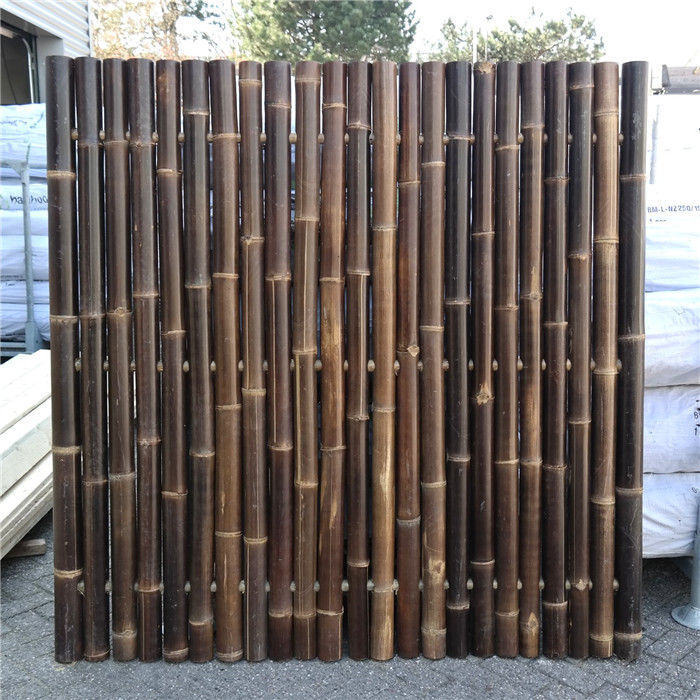
High 2m Bamboo Fence Screening
Natural bamboo privacy screening for landscaping, hospitality and residential projects.
View Product →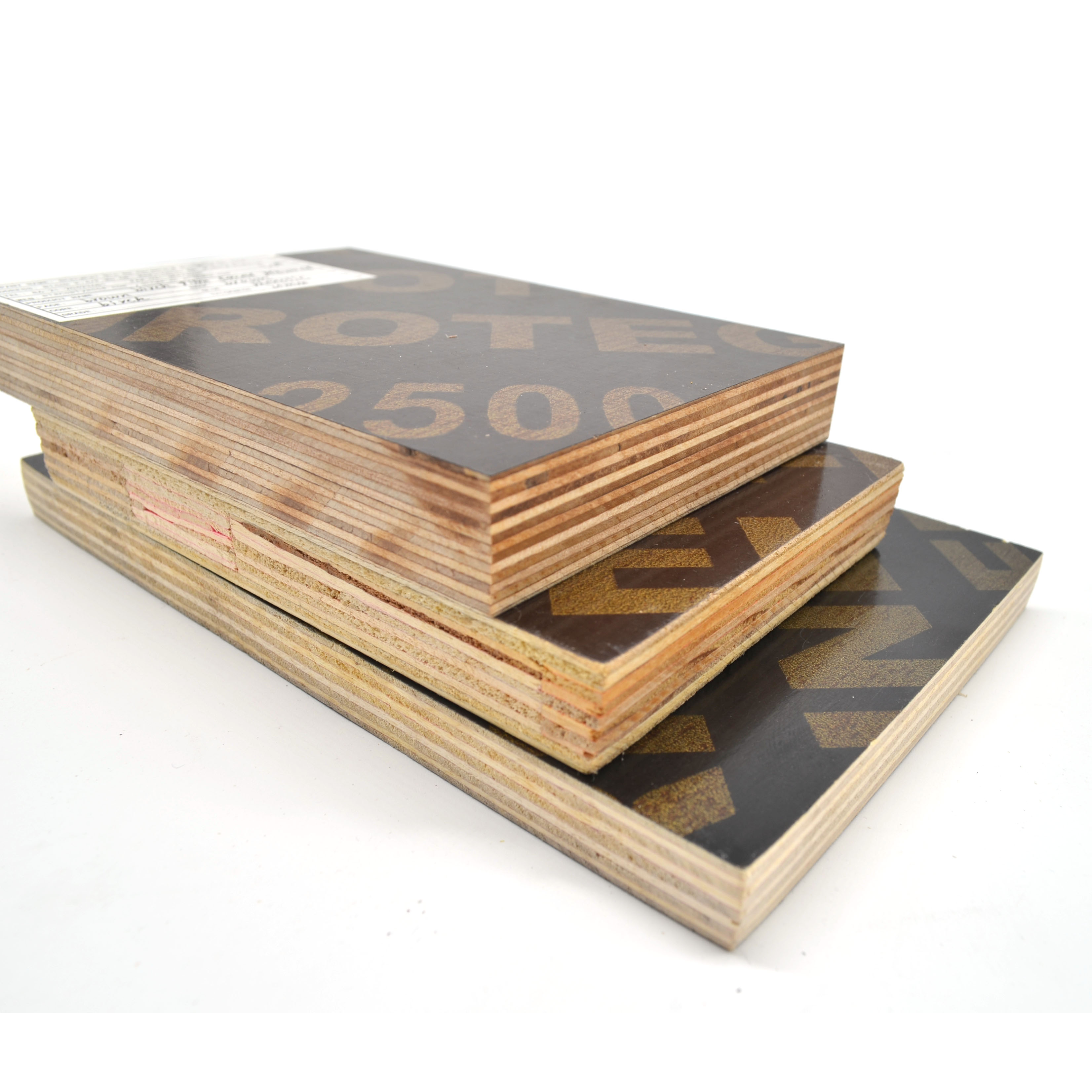
Phenolic Red Film Faced 18mm E0 First-Class Grade Poplar Plywood Strongplex CE Certified Outdoor Use
Outdoor-capable phenolic film faced plywood for formwork and protected structural use.
View Product →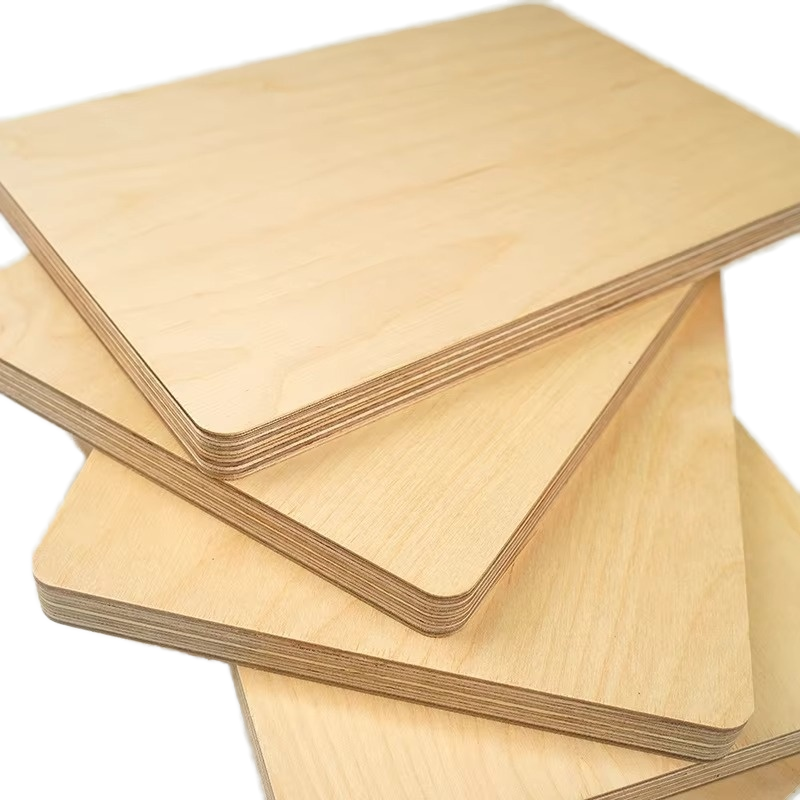
Wanhe CP-52 First-Class Poplar Birch Veneer Plywood E0 Water Resistant Modern Design 1 Year Warranty Outdoor Use Office Building
Poplar-birch veneer plywood with E0 options for fit-out, furniture and building applications.
View Product →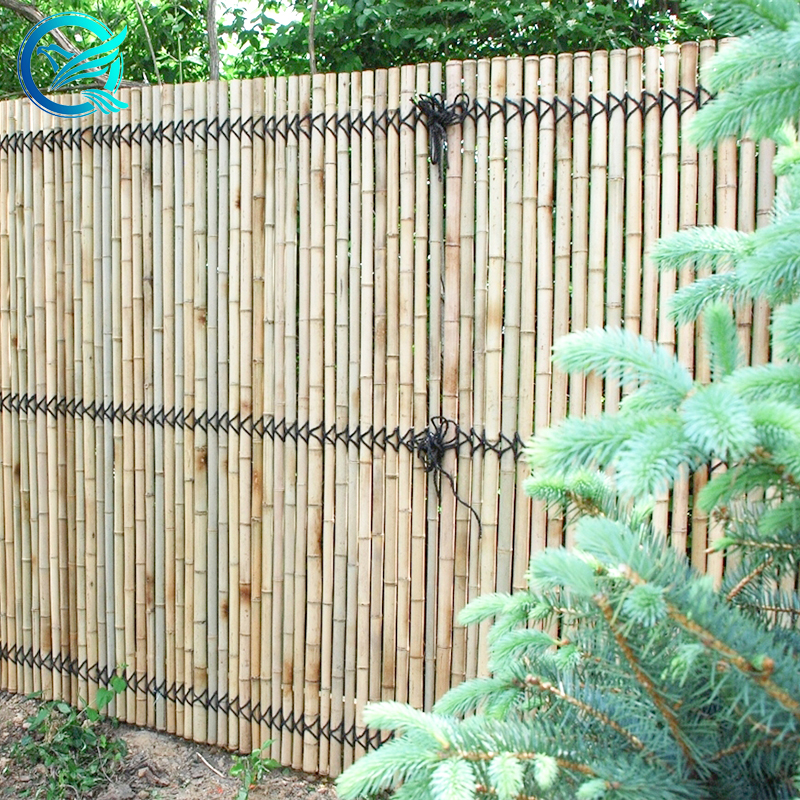
1.12x60meters Privacy Bamboo Curtain and Mat for Garden Fence and Gate
Flexible bamboo privacy curtain for garden fencing, gates and landscape screening.
View Product →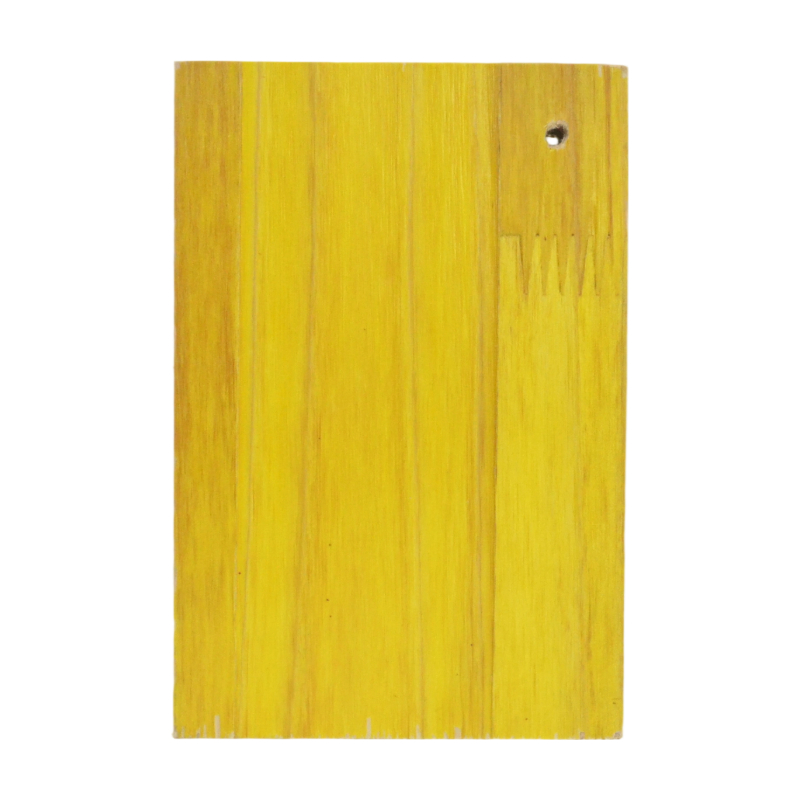
LEONKING Yellow 3 Ply Shuttering Panel Three Layer Board 21/27mm Spruce Fir Pine Three Ply Shuttering Panel
Three-layer yellow shuttering panel for European-style panel formwork systems.
View Product →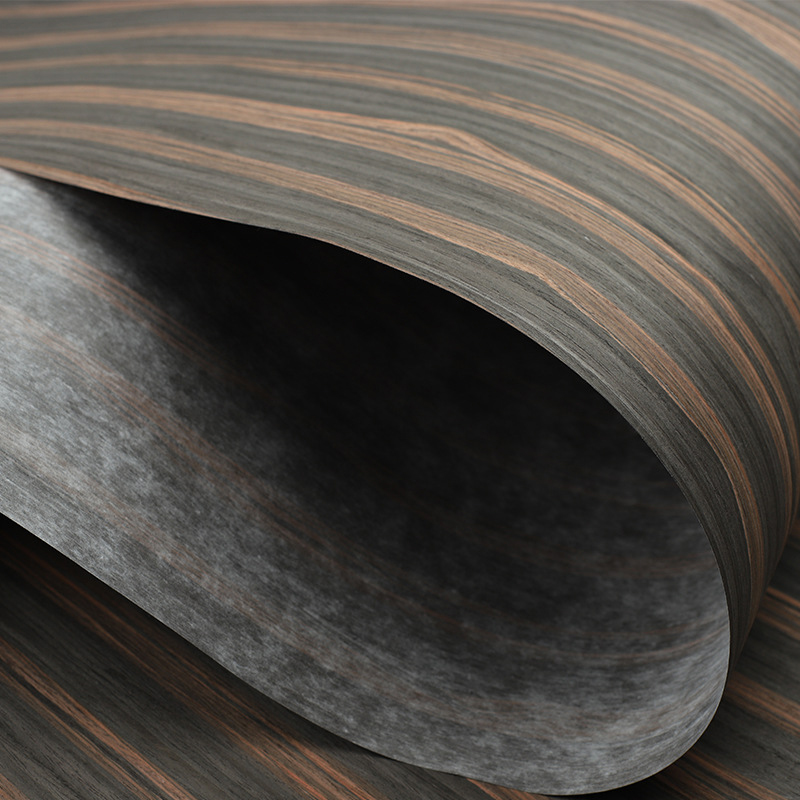
All Kinds Engineered Wood Veneer 640mm * 2500mm Size
Engineered veneer for interior surfaces where consistent grain and colour are essential.
View Product →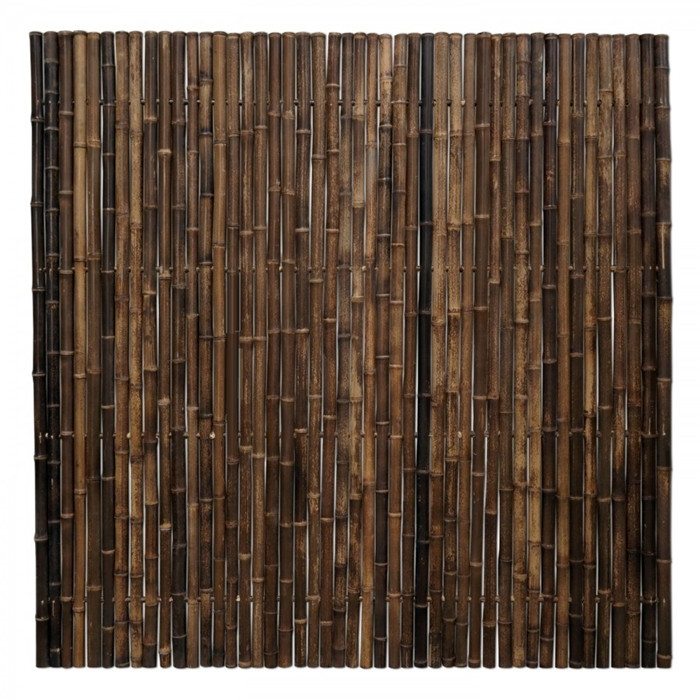
High 2m Bamboo Fence for Garden Bamboo Fence for Yard
Durable bamboo fencing for yards, resorts and landscape boundary screening.
View Product →What “Top Okoume Plywood Manufacturer & Suppliers” Really Means
Okoume plywood is a specification-sensitive product. The difference between a competitive supplier and a reliable manufacturing partner is rarely visible in a single FOB quotation; it appears in veneer grading, glue control, press discipline, moisture balance, certification scope and the ability to reproduce the same panel shipment after shipment.
Okoume, botanically Aucoumea klaineana, is valued for its pale pink-to-cream face veneer, relatively low density, open pores and good strength-to-weight ratio. In plywood, it is commonly specified for marine interiors, yacht fit-out, furniture, kitchen components, shopfitting, acoustic panels and premium joinery. However, the name “okoume plywood” does not guarantee performance. A serious buyer should ask whether the okoume is a face veneer, a full okoume core, a hybrid construction, or a decorative veneer over poplar or eucalyptus. Each construction has a different cost structure, moisture response and end-use suitability.
A top manufacturer must control the variables that determine delamination resistance and surface consistency: veneer thickness tolerance, drying moisture, glue spread, assembly time, cold-press and hot-press cycles, thickness calibration, edge sealing and final moisture. A top supplier must additionally manage documentation, packaging, loading sequence, certification traceability and communication during the order. China remains a globally important base for this combination of manufacturing depth and export logistics, but buyers need a disciplined comparison framework rather than a price-only auction.
Five Technical Variables Most Okoume Buyers Misread
These are the specification points that most often explain the gap between a low sample price and a final landed cost.
Veneer Thickness
Face and core veneer thickness affects sanding allowance, surface stability and glue-line performance. Over-sanding to reach a nominal thickness can expose core defects and reduce reuse life in coated products.
Glue & Bond Class
WBP phenolic, melamine and MR glues serve different exposure levels. For marine or exterior use, glue type should be specified with test method and certification, not described only as “waterproof”.
Moisture Content
Finished moisture should be balanced for the destination climate and end use. Excessively wet panels risk dimensional movement and delamination; overly dry panels can become brittle during machining.
Press Cycle
Temperature, pressure, time and lay-up sequence determine bond integrity. A quotation that omits these controls may still produce visually similar panels, but not the same durability under repeated handling.
Certification Scope
ISO 9001, CE and FSC are not interchangeable. Buyers should verify which legal entity, production site and product scope are covered, and request current documentation before deposit payment.
Okoume Plywood Procurement Trends Reshaping 2026–2030
The next buying cycle will reward importers who evaluate supplier systems, not only FOB prices. Compliance, traceability, mixed-container efficiency and application engineering are becoming part of the product itself.
Compliance-First Sourcing
Forest legality, chain-of-custody and product emission requirements are moving from “nice to have” to tender prerequisites. Buyers increasingly ask for FSC availability, CE-controlled production, E0/E1 options and traceable documentation before approving a supplier.
Mixed-Container Efficiency
Instead of filling a container with one specification, importers combine okoume plywood with film faced panels, three-ply shuttering boards, engineered veneer and bamboo products. The goal is faster inventory turns and lower freight cost per cubic metre.
Total Landed Cost
Professional buyers compare yield, waste, reusability and claim risk alongside the invoice price. A lower-cost panel that delaminates, warps or fails to machine cleanly can erase the benefit of a small FOB saving.
Application Engineering
Suppliers are expected to advise on grade, core, glue, thickness and surface finish for the actual end use. Okoume for marine interiors should not be specified in the same way as okoume for painted furniture or lightweight joinery.
Digital Quality Records
Pre-shipment photos, bundle labels, moisture readings, edge-seal checks and loading videos are becoming standard expectations. Digital records reduce disputes and allow distributors to answer downstream customer questions with evidence.
Supplier Consolidation
Importers are reducing the number of small, unverified vendors and building deeper relationships with suppliers that can support multiple categories, custom packaging, consistent grading and repeatable loading schedules.
Where Okoume Plywood Product Development Is Heading
Product innovation is not limited to creating a new veneer face. It also includes lower-emission adhesives, engineered hybrid constructions, precision sizing, protective coatings and clearer performance documentation.
Low-Emission Adhesives
E0 and E1 formaldehyde options are increasingly requested for interior furniture, office fit-out and residential projects. For exterior or marine use, phenolic WBP bonding remains a critical specification.
Hybrid Panel Engineering
Okoume face with poplar, eucalyptus or engineered core can balance appearance, dimensional stability and cost. Buyers should state whether they need full okoume construction or an okoume-faced hybrid.
Surface & Coating Innovation
UV-cured coatings, anti-slip films, phenolic film faces and edge sealing are being used to extend service life and improve appearance consistency in demanding construction and transport applications.
Performance Documentation
Specifiers increasingly ask for bond class, emission grade, moisture range, thickness tolerance and certification evidence in one package. The product becomes easier to approve when the data is attached to the shipment.
How to Specify Okoume Plywood for Repeatable Results
Use this buyer checklist when comparing okoume plywood manufacturers and suppliers. It helps convert “okoume plywood, 18mm, WBP” into a purchase specification that can be quoted, inspected and repeated.
| Specification Area | Preferred Definition | Why It Matters | Buyer Check |
|---|---|---|---|
| Face & Back Grade | Okoume face veneer colour, grain match, knot limit and repaired-defect allowance. | Defines visual value for furniture, marine interiors and lacquered joinery. | Request face-grade photos under consistent lighting. |
| Core Construction | Full okoume core, okoume-faced hybrid, poplar core, eucalyptus core or engineered core. | Controls density, screw-holding, weight, machining behaviour and cost. | Confirm in writing; do not accept “same as sample” without a sealed reference. |
| Glue Type | MR, melamine, E0/E1-compatible glue or phenolic WBP depending on exposure. | Bond performance determines suitability for marine, exterior or protected interior use. | Ask for glue name, bond class and relevant test reference. |
| Thickness Tolerance | Nominal thickness plus calibrated tolerance after sanding. | Thickness consistency affects CNC routing, veneer lamination and assembly accuracy. | Inspect caliper readings at multiple points per bundle. |
| Sheet Size | 1220×2440 mm, 1250×2500 mm, 1500×3000 mm, 915×1830 mm or custom sizes. | Correct sizing reduces cutting waste and improves container utilisation. | Confirm actual finished dimensions, not only nominal labels. |
| Moisture Content | Agreed equilibrium range for the destination climate and application. | Reduces risk of shrinkage, swelling, warping and machining complaints. | Request meter readings by bundle and before loading. |
| Certification | ISO 9001 management, CE-controlled production, FSC material where required. | Supports tender qualification, customs due diligence and downstream customer approval. | Verify entity name, site, product scope and certificate validity. |
| Packaging & Marking | Moisture-resistant wrapping, corner protection, bundle labels and private-label marks. | Protects edges, supports warehouse identification and reinforces brand presentation. | Approve label artwork and packing photos before shipment. |
A Shanghai Export Team Backed by Its Own Plywood Mill
Shanghai Dorni International Trading Co., Ltd. has supplied wood panels and building materials to international buyers since 2008. The company is supported by an affiliated mill in Dangshan County, Anhui Province, where three complete production lines cover peeling, pressing, calibration, sanding and container loading.
For okoume plywood enquiries, this structure matters because the buyer is not simply talking to a website. The export team can connect specification details to mill capability, sample review, quality control, packaging and loading. Production is managed to ISO 9001 and controlled to CE requirements, with FSC-certified material available on request and on-site assessment by SGS Group.
- 18+ years of export experience since 2008
- 6,000 m³ monthly plywood capacity
- Three complete production lines
- ISO 9001 quality management
- CE No. 1301-CPD-0569 production control
- FSC-certified material on request
- SGS on-site supplier assessment
- Raw material and finished goods inspection
- ODM, sample-based and full customization
- Logo printing, edge sealing and packaging options
- Grading to BSI, IHPA, JPIS, GB or buyer standard
- Loading from Lianyungang or Qingdao port
How to Tell a True Okoume Plywood Manufacturer from a Trading Supplier
Many “manufacturers” listed online are trading offices or aggregators. That is not automatically a problem, but the buyer should know who controls production, who signs the quality record and who is accountable if the container does not match the sample.
Verify the Production Site
Ask for the factory address, production line photos, mill profile and the legal relationship between the trading entity and the mill.
Audit the Specification
Convert every requirement into measurable language: species, core, glue, grade, thickness, moisture, surface, packaging and certification.
Inspect Before Loading
Request bundle photos, edge-seal checks, thickness readings, moisture records and loading images. Third-party inspection should be welcomed.
Confirm Commercial Terms
Clarify Incoterms, payment method, port of loading, documents, claim process and lead time before approving the first shipment.
Frequently Asked Questions About Okoume Plywood Sourcing
Practical answers for importers, distributors, contractors and OEM buyers comparing okoume plywood suppliers in China.
What is okoume plywood used for?
Okoume plywood is commonly used for marine interiors, yacht fit-out, furniture, kitchen components, shopfitting, acoustic panels, doors and premium joinery. It is valued for pale face veneer, low weight and good machining behaviour. For exterior or marine use, the glue class and edge sealing must be specified together with the species.
How can I verify that the face veneer is real okoume?
Review veneer colour, pore structure, density, face consistency and the supplier’s species declaration. For high-value orders, request a sealed sample, third-party species identification if needed and production photos from the same bundle. A legitimate manufacturer should be able to explain whether the panel is full okoume or okoume-faced with another core.
Which glue should be used for exterior or marine applications?
Phenolic WBP is typically requested for exterior and marine exposure, while melamine and MR grades are more suitable for protected interior use or lower-exposure applications. The final choice should match the end-use environment, expected moisture exposure, rework requirements and certification needs.
What thicknesses and sheet sizes are available?
Plywood thickness can range from about 2.2 mm to 30 mm, with common sheet sizes including 1220×2440 mm, 1250×2500 mm, 1500×3000 mm and 915×1830 mm. Custom sizes can be discussed. For three-ply shuttering panels, 21 mm and 27 mm specifications are common in formwork systems.
What is the minimum order quantity?
Standard film faced and construction plywood often starts from 50 m³, roughly two 40HQ containers. Three-ply shuttering panels may start from 7–50 m³ depending on specification, and bamboo decking from 100 m². Mixed-product containers and trial orders can be discussed with the export team.
Which certifications can be provided?
The mill is managed under ISO 9001, production is controlled to CE requirements and FSC-certified material is available. The company has been assessed on-site by SGS Group. Buyers should always confirm the certificate scope, valid dates and whether the certificate covers the exact product and production site.
Which ports and Incoterms are used?
Goods are usually loaded at Lianyungang or Qingdao port. Export terms include FOB, CFR, CIF, EXW, FAS and CIP. Payment and document terms can be discussed according to order value, destination and buyer history.
Can you customize specifications, packaging or private-label branding?
Yes. Customization can include sample-based production, design-based development, thickness and size requirements, logo printing, edge-sealing colour, packaging marks and grading to BSI, IHPA, JPIS, GB or a buyer-specific standard. Clear written approval before production reduces mismatch risk.
Ready to Compare Okoume Plywood Specifications and Container Options?
Share your target application, face grade, core construction, glue type, thickness, sheet size, certification requirement and destination port. The Dorni export team will review the specification and respond with a practical proposal for okoume plywood and compatible panel products.
Send an InquiryInspection photos, technical documents, packaging approval and loading records are available for qualified orders.