8 Mill-Direct Products Buyers Commonly Source Alongside Shuttering Plywood
Formwork buyers rarely purchase panels in isolation. A container order often combines shuttering plywood, H20 beams, engineered veneer and outdoor bamboo products for distributors, contractors and landscape projects. The selection below uses the original product links and images from the supplier’s catalog.

All Kinds Engineered Wood Veneer 640mm * 2500mm Size
Stable engineered face veneer for furniture, panel upgrading and decorative applications where color consistency matters.
- Format640 × 2500 mm
- Best forSurface finishing
- Order fitMixed containers
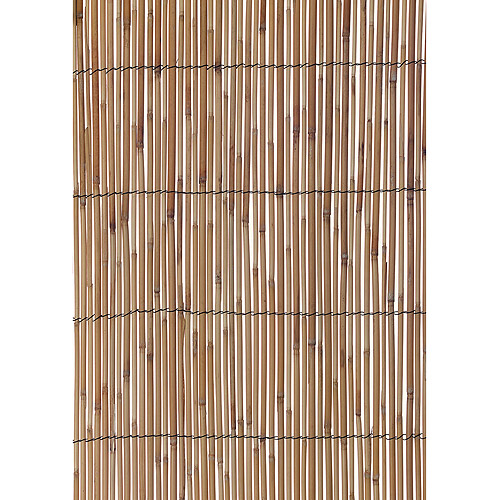
14-16mm High Quality Modern Bamboo Fence with Wood Frame — Eco-Friendly, Waterproof, Rot & Rodent Proof
Decorative and durable bamboo fencing for hospitality, residential screening and landscape projects.
- Thickness14–16 mm
- FeatureWaterproof
- Best forGarden & resort
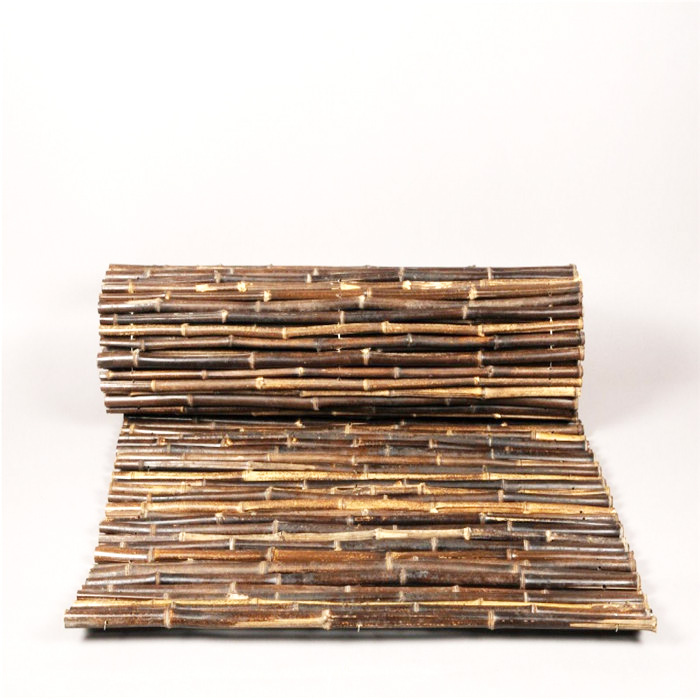
22-35mm High Straightness Bamboo Fence
Straight bamboo poles and fence components for projects that need clean alignment and fast site installation.
- Diameter22–35 mm
- PropertyHigh straightness
- Best forFencing systems
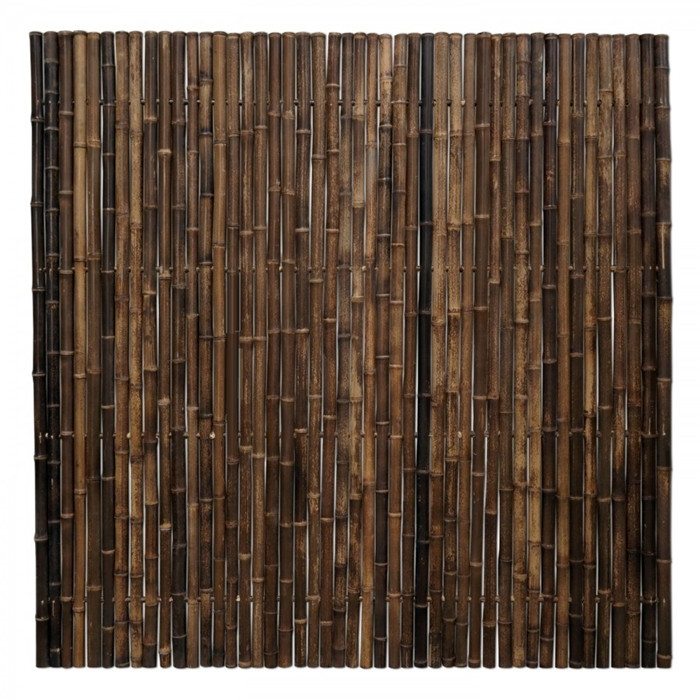
High 2m Bamboo Fence for Garden and Yard
A 2-meter privacy and screening option for residential yards, parks and outdoor leisure areas.
- Height2 m
- UsePrivacy screening
- FinishNatural bamboo
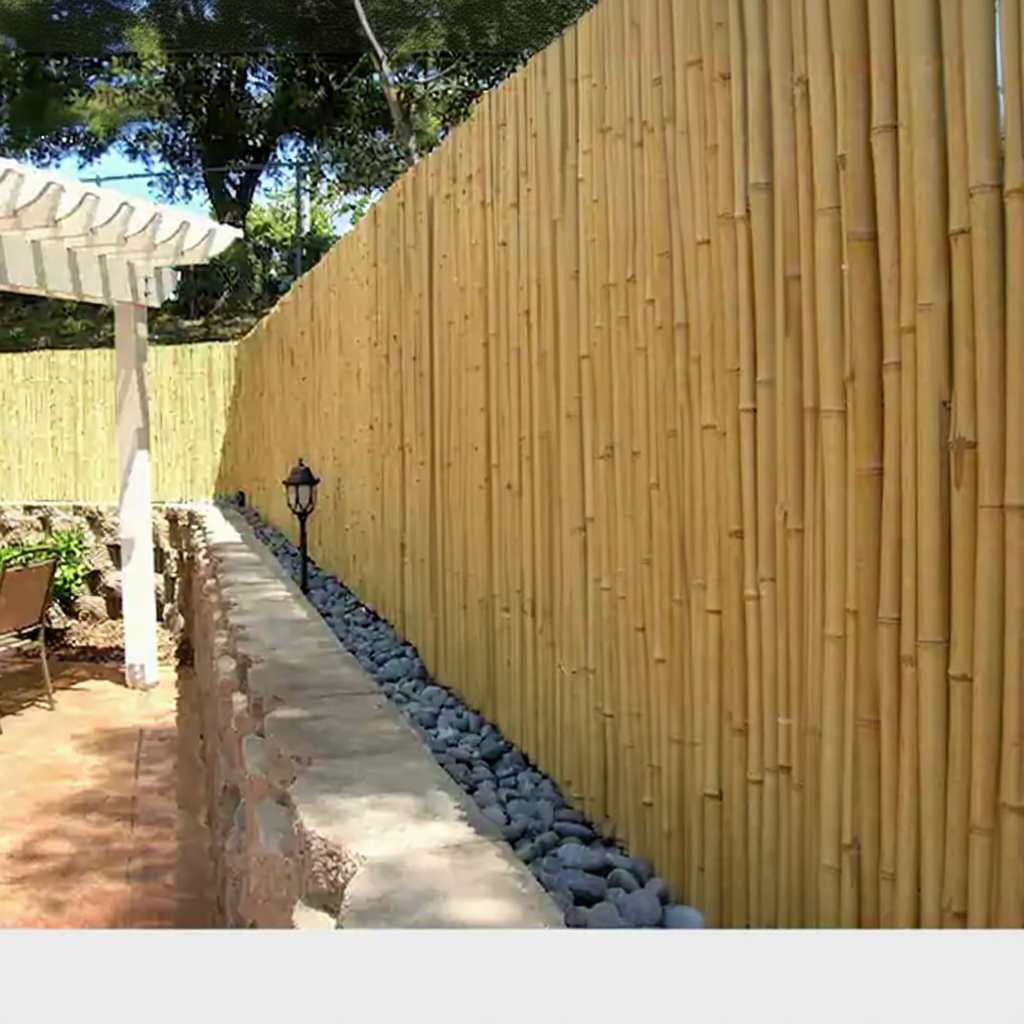
Natural Bamboo Fence High Quality ISO9001 — Certified 6 Feet, Indoor/Outdoor Use, Easy Assembly, 100% Raw Bamboo, Customized
An ISO 9001-linked natural bamboo fence option with customization potential for distributors and project buyers.
- Height6 ft class
- UseIndoor / outdoor
- CustomizationAvailable
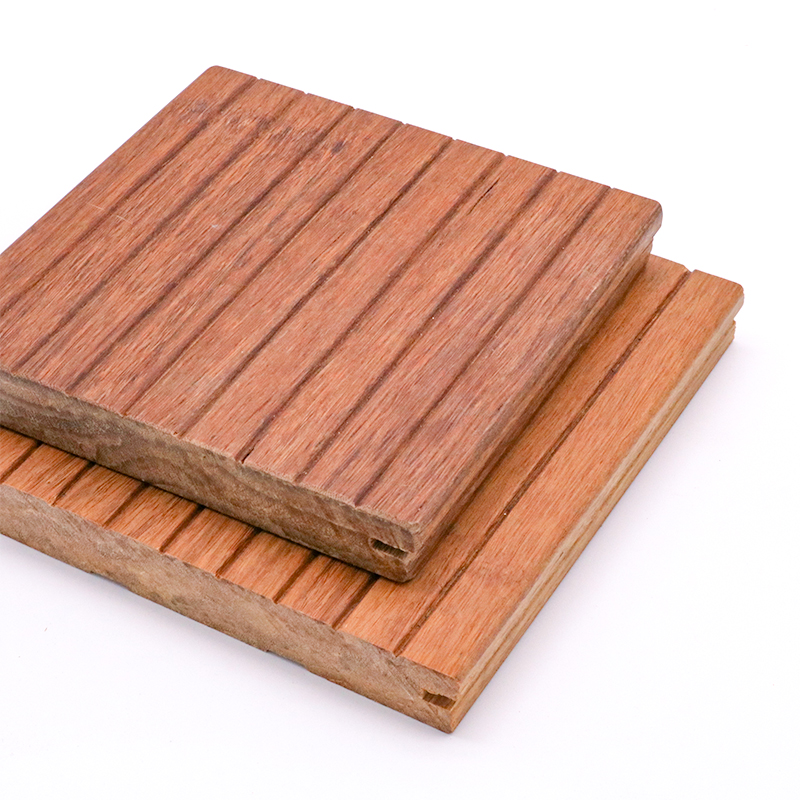
20mm Good Price White Engineered Stranded Bamboo Deck — Float Exterior Wall Paneling, Flooring, UV/Waterproof Coating, 5-Year
Stranded bamboo decking and cladding for exterior spaces where dimensional stability and low maintenance are priorities.
- Thickness20 mm
- CoatingUV / waterproof
- Best forDeck & wall
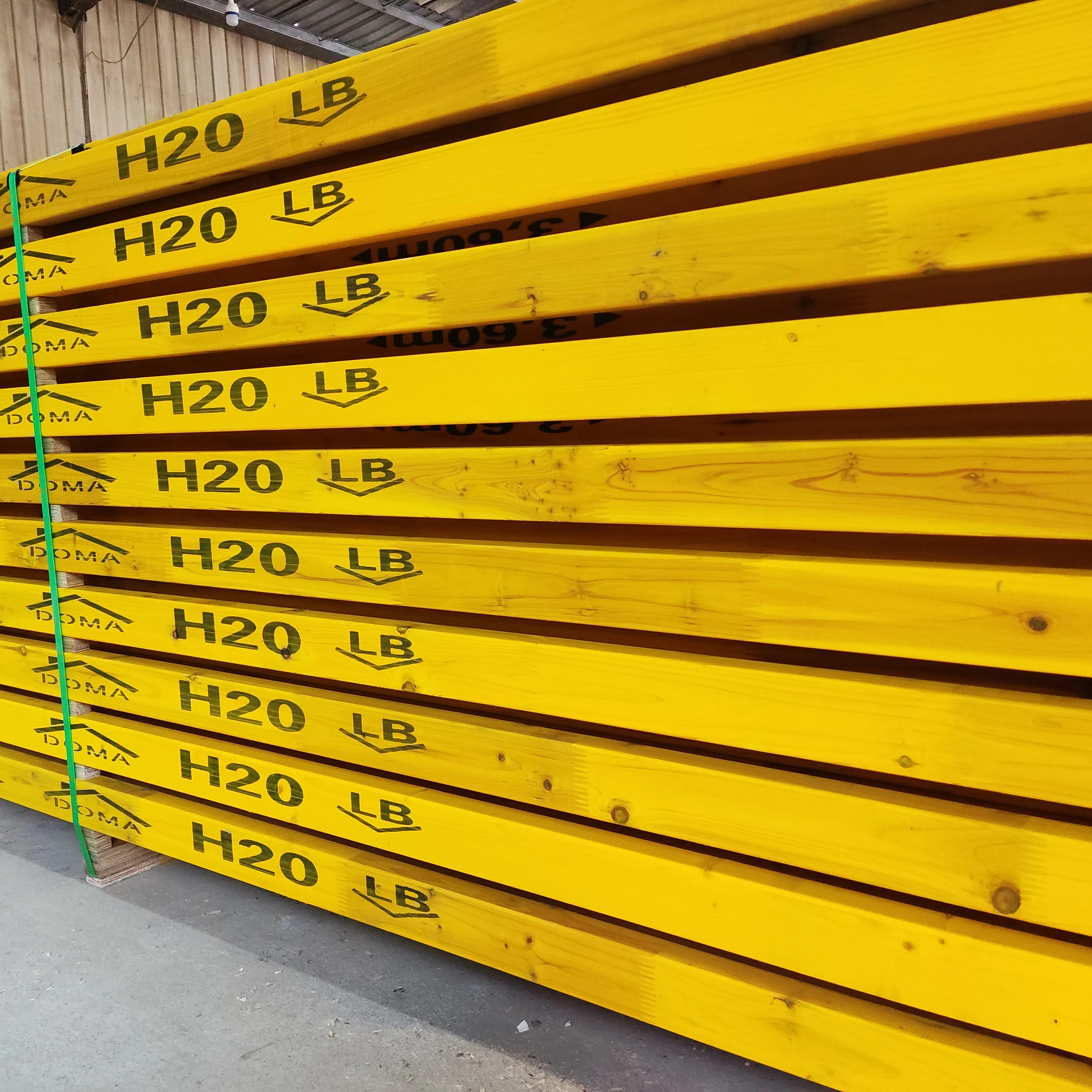
EN 13377 H20 Beam Red Plastic Cap Construction Formwork, H16 H30, 200x80x40x27mm, E0, EN 13353 H20 Beam Formwork
A key companion to film faced shuttering plywood in slab and wall formwork systems, with protective end caps for site handling.
- StandardEN 13377 / 13353
- Profile200 mm H20
- FeatureRed plastic cap

Singer 20mm Engineered Stranded Bamboo Deck Tiles — Float Installation, UV/Waterproof Coating, 5+ Year Warranty, Exterior Wall
Fast-install bamboo deck tiles for balconies, pool surrounds, terraces and hospitality renovation work.
- Thickness20 mm
- InstallationFloat system
- Warranty5+ years
“Best” Is Not a Price Tag — It Is a Verified Supply-Chain Outcome
China’s shuttering plywood market is broad, but it is not opaque. The gap between a low-cost wholesale listing and a reliable factory partner usually appears in three places: how veneer is graded, how the glue line is controlled, and whether the finished panel can be traced to a production batch. For 2026, importers are shifting from single-unit price comparisons toward cost per verified reuse cycle. That shift rewards suppliers who can document raw material, press parameters, edge sealing, packaging and pre-shipment inspection.
This guide uses practical mill data — an affiliated plywood mill with three complete production lines, 6,000 m³ monthly capacity, ISO 9001 management, CE-controlled production, FSC-certified material availability and SGS on-site assessment — as a reference point. It is not a claim that one factory fits every project. It is a due-diligence framework for comparing China shuttering plywood factories, film faced plywood wholesalers and 3-ply shuttering panel suppliers with the same discipline used for steel, cement or formwork systems.
Information gain for buyers: before comparing CIF prices, request batch-specific QC photos, glue type, emission grade, edge-seal specification, thickness tolerance, packaging method and a reuse reference. A supplier that can answer these six points in writing is usually easier to audit than one that only quotes a number.
Years of Export Experience
Shanghai Dorni has supplied wood panels and building materials since 2008.
Monthly Plywood Capacity
Output from the affiliated mill supports repeat container programs.
Complete Production Lines
Peeling, pressing, calibrating, sanding and loading are controlled in-house.
Plywood Thickness Range
MR, melamine, phenolic WBP and E2/E1/E0 glue options can be specified.
Typical Film Faced MOQ
3-ply shuttering panels commonly start from 7–50 m³ depending on specification.
RFQ Response Target
Technical proposals can be prepared once core, glue, size and port are confirmed.
What Separates a Genuine Shuttering Plywood Factory from a Trading Listing
The strongest wholesale offer is not always the lowest quote. These six verification points help procurement teams distinguish a controlled mill from a broker that outsources every step.
Raw Material Control
Veneer grade, log source, moisture content and core composition determine whether a panel stays flat after repeated concrete pours. Ask how incoming veneer is inspected and how mixed hardwood, poplar, combi or birch cores are separated.
Glue & Emission Specification
Melamine is often a cost-effective choice for fewer reuse cycles; phenolic WBP is preferred for exterior and high-reuse formwork. Emission grades E2, E1 and E0 should be named in the RFQ, not assumed from a sample.
Press & Calibration Discipline
Cold press, hot press and double-side calibration affect thickness tolerance, surface flatness and bond performance. A mill that tracks pressure, temperature and cycle time can reproduce quality across repeat orders.
Film & Edge Sealing
Black film, brown film, yellow melamine and anti-slip surfaces behave differently on site. Waterproof edge paint is a small specification detail that can materially influence moisture ingress and panel life.
QC Before Loading
Finished-goods inspection should cover dimensions, thickness, film adhesion, edge sealing, bundle labeling and packaging. Pre-shipment photos with batch references are more useful than generic brochure images.
Export Documentation & Customization
Certification scope, Incoterms, port, packaging and private-label requirements should be confirmed before production. Custom film printing, edge-seal color, grading to BSI/IHPA/JPIS/GB and mixed-product loading add practical value.
Match the Panel to the Pour, the Formwork System and the Reuse Target
Not every shuttering panel should be specified the same way. Use this comparison to align core, glue, thickness and companion products with the actual project cycle.
| Application | Recommended Product | Core / Glue Direction | Why It Works |
|---|---|---|---|
| Slab formwork | 18 mm black or brown film faced plywood | Poplar or combi core; phenolic WBP for high reuse | Balanced stiffness, good film release and predictable edge performance when sealed. |
| Wall & column panels | 21 mm or 27 mm 3-ply yellow shuttering panel | Spruce, fir or poplar; phenolic bond | Clean concrete finish and compatibility with common European panel formwork systems. |
| High-rise / repeated pours | 18 mm film faced plywood + H20 timber beam | Phenolic WBP; H20 with plastic caps | System pairing improves load distribution and protects beam ends during site handling. |
| Marine, vehicle or specialty use | Birch or marine plywood | Birch core; WBP bond tested to relevant standards | Higher density and consistent face quality for demanding fabrication and transport applications. |
| Roof and sub-floor sheathing | Underlayment CDX plywood | Pine, poplar or hardwood; exterior glue | Structural sheathing for roofs, walls and floors where thickness consistency matters. |
| Outdoor landscape & hospitality | Stranded bamboo decking, tiles and bamboo fence | Carbonized strand-woven bamboo with UV/waterproof coating | A tropical-hardwood alternative for terraces, pools and garden screening. |
Common plywood sizes include 1220×2440, 1250×2500, 1500×3000 and 915×1830 mm. 3-ply panels are often 500×2000/3000 mm in 21 or 27 mm. Custom specifications can be reviewed against project drawings.
Slab Formwork
Film faced plywood with sealed edges is the practical baseline for slab cycles.
Wall & Column
3-ply yellow panels help achieve a clean architectural finish and system fit.
High-Rise Reuse
Pairing film faced panels with H20 beams supports repeatable slab cycles.
Outdoor Projects
Stranded bamboo decking and fencing extend the supplier’s outdoor material offer.
What Importers Will Demand from Shuttering Plywood Wholesalers Through 2030
Procurement is becoming more evidence-based. The next competitive edge will not be a generic “best price” claim, but the ability to prove reuse, compliance and loading efficiency.
Reuse-Aware Costing
Buyers will compare total cost per reused panel rather than first-unit cost. The practical formula is: (panel price + freight + defect loss) ÷ verified reuse cycles.
Documented Sustainability
FSC chain of custody, E1/E0 emission grades and clear material declarations will become routine RFQ attachments, especially for European and North American buyers.
Mixed-Container Consolidation
Distributors want plywood, H20 beams, bamboo decking and veneer loaded together to reduce freight friction and inventory fragmentation.
Digital QC Evidence
Batch photos, thickness checks, film adhesion notes and loading images will be expected as normal documentation, not special requests.
System Compatibility
Shuttering panels will be bought with complementary H20 beams, 3-ply panels and accessories so contractors can standardize formwork across sites.
Outdoor Lifecycle Materials
Bamboo decking, deck tiles and fencing are increasingly specified as durable alternatives to tropical hardwood in hospitality and landscape projects.
Product Trends Visible on the Mill Floor
Panel development is moving toward higher reuse, cleaner surfaces and better system integration — not simply thicker boards at lower prices.
21/27 mm 3-Ply Panels
Yellow-coated spruce, fir and poplar 3-ply panels are being refined for panel formwork systems, tables and wall forms where stiffness and clean release are essential.
Edge-Sealed High-Cycle Plywood
Waterproof edge paint, tighter thickness tolerance and phenolic WBP bonding are becoming default requests for contractors targeting repeat pours.
H20 Beam Protection
Red plastic end caps and EN 13377 / EN 13353-aligned profiles help protect beam ends during transport and repeated site assembly.
Bamboo & Engineered Surfaces
Stranded bamboo decking, deck tiles and engineered veneer broaden the supplier’s mix for distributors serving construction and landscape channels.
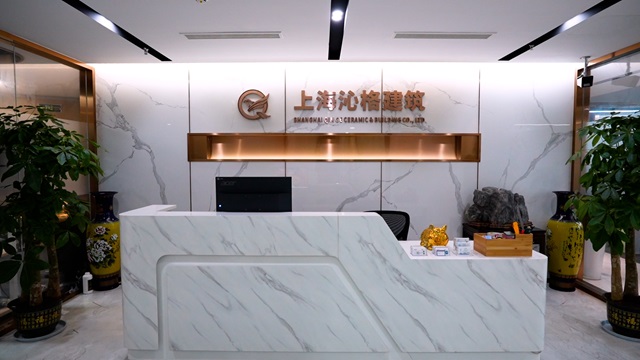
A Shanghai Export Team Backed by Its Own Affiliated Plywood Mill
Shanghai Dorni International Trading Co., Ltd. has exported plywood and building materials since 2008. The company is supported by an affiliated mill in Dangshan County, Anhui Province, operating three complete production lines — peeler compositors, press dryers, oil boilers, double-side calibrators, 3-head sanders and container loading platforms.
Production is managed under ISO 9001 and controlled to CE requirements (CE No. 1301-CPD-0569). FSC-certified material is available, and the company has been assessed on-site by SGS Group. Grading can follow BSI, IHPA, JPIS, GB or customer-specific standards. A dedicated QC team inspects incoming raw materials and finished goods before every loading.
- 18+ years of export experience
- Affiliated mill + trading team
- Raw material and finished-goods QC
- MR, melamine and phenolic WBP
- E2, E1 and E0 emission grades
- Logo printing and edge-seal colors
- FOB, CFR, CIF, EXW, FAS, CIP
- Mixed-product container support

Certifications and a Traceable Production Workflow
Third-party certification and documented process control help procurement teams verify what they buy before the container leaves China.
ISO 9001
Mill managed under an ISO 9001 quality management system.
CE Marking
Production controlled to CE requirements for wood-based panels.
FSC Certified Material
Responsibly sourced timber available on request for qualified orders.
SGS Assessed
On-site supplier assessment by SGS Group supports third-party verification.
Log Peeling
Rotary peeling to uniform veneer thickness, with raw material checked before processing.
Veneer Drying
Moisture brought to target before lay-up to support bond consistency and flatness.
Glue & Lay-Up
MR, melamine or phenolic WBP applied according to the specified end use.
Cold & Hot Press
Controlled pressure and temperature cycles help stabilize the panel structure.
Calibrate, Sand & Seal
Double-side calibration, surface preparation, film overlay and waterproof edge paint.
QC & Container Loading
Final inspection, bundle labeling and loading checks before shipment.
8-Point Checklist Before You Place a Container Order
Use these questions to test whether a China shuttering plywood factory or wholesaler can support a repeatable import program — not only a one-off shipment.
01 · Certificate Scope
Confirm what the certificate covers: mill, product family, process or trading entity. A logo alone is not a scope statement.
02 · Mill Evidence
Request the mill address, production-line video, loading photos and a named QC contact. Verify whether the supplier owns, affiliates with or simply buys from the mill.
03 · Glue & Emission
Put MR, melamine or phenolic WBP and E2/E1/E0 directly in the purchase order. Ask for the corresponding inspection record.
04 · Thickness Tolerance
Clarify nominal versus actual thickness, tolerance range and whether double-side calibration is included.
05 · Edge Sealing
Specify waterproof edge paint color and coverage. This is especially important for exterior formwork and high-humidity destinations.
06 · Reuse Reference
Ask how the supplier defines “high reuse” and request project references or prior shipment specifications where available.
07 · Packaging & Mixed Loading
Confirm bundle protection, corner guards, pallet requirements, marking and whether plywood can be consolidated with H20 beams or bamboo products.
08 · Port & Incoterms
Common loading ports are Lianyungang and Qingdao. Confirm FOB, CFR, CIF, EXW, FAS or CIP before comparing landed cost.
China Shuttering Plywood Factories and Wholesalers — Common Buyer Questions
These answers reflect the specifications and export practices typically reviewed during a film faced plywood or formwork RFQ.
What is the minimum order quantity for film faced shuttering plywood?
Standard film faced and construction plywood commonly starts from 50 m³, roughly two 40HQ containers depending on thickness and packing. 3-ply shuttering panels can start from 7–50 m³ depending on specification, and bamboo decking from 100 m². Trial mixed-product containers can be discussed when several product families are combined.
Which glue types and emission grades are available?
Options include MR, melamine and phenolic WBP, with E2, E1 and E0 grades available according to specification. Phenolic WBP is recommended for formwork that is reused outdoors or exposed to moisture; melamine is often a cost-effective choice when fewer reuse cycles are expected.
What thickness and sheet sizes can I order?
Plywood thickness typically ranges from 2.2 mm to 30 mm. Common sizes include 1220×2440, 1250×2500, 1500×3000 and 915×1830 mm. 3-ply panels are often supplied in 500×2000/3000 mm with 21 mm or 27 mm thickness. Custom specifications can be reviewed against project drawings.
What certifications do your shuttering plywood and formwork carry?
The mill is managed under ISO 9001, production is controlled to CE requirements and FSC-certified material is available. The company has also been assessed on-site by SGS Group. Product grading can follow BSI, IHPA, JPIS, GB or customer-specific standards where required.
What is the difference between film faced plywood and a 3-ply shuttering panel?
Film faced plywood usually has a multi-ply plywood core with a black, brown or anti-slip film face, making it suitable for concrete formwork and general shuttering. A 3-ply shuttering panel uses a three-layer construction, often with yellow melamine coating and phenolic bonding, and is typically matched to European-style panel formwork systems.
Which ports and Incoterms do you use for export?
Goods are usually loaded at Lianyungang or Qingdao port. FOB, CFR, CIF, EXW, FAS and CIP terms are commonly accepted. The appropriate term depends on the buyer’s freight arrangements, destination and whether the order is a trial shipment or a repeat container program.
Can you customize film color, logo, edge sealing and packaging?
Yes. Sample-based, design-based and full customization can be reviewed. Common requests include logo printing on film, edge-sealing color, bundle packaging, private-label marking and grading to BSI, IHPA, JPIS or GB standards. Custom specifications should be confirmed before production begins.
How can I verify quality before shipment?
Request pre-shipment inspection photos, thickness measurements, film adhesion observations, edge-seal photos, bundle labels and container loading images. Third-party inspection is also welcome. For repeat buyers, maintaining a batch record across shipments is the most practical way to compare quality over time.
Are you a factory or a trading company?
Shanghai Dorni International Trading Co., Ltd. is an export trading company supported by an affiliated mill in Dangshan County, Anhui Province. This structure combines export documentation, consolidated loading and customer communication with direct access to plywood production lines and QC processes.
Request a Specification-Matched Catalog
Send your required core, glue, thickness, sheet size, film type, edge-sealing requirement and destination port. The export team can prepare a technical proposal with product options, MOQ guidance and loading suggestions for your next container.