China Best LVL Beams Supplier & Exporter
Mill-direct LVL beams, H20 formwork beams and integrated plywood solutions from Shanghai Dorni International Trading Co., Ltd. — engineered for structural reliability, controlled under ISO 9001, CE and FSC systems, and backed by 18+ years of export experience.
Eight Field-Proven Products for LVL Beam, Formwork and Outdoor Projects
LVL beams rarely arrive alone. A professional procurement plan for a concrete frame, modular building, hotel project or livestock facility usually combines engineered beams with film-faced panels, anti-slip platforms, weather-resistant cladding and outdoor finishes. The eight products below are part of Dorni’s export range and can be quoted as a mixed programme, helping buyers reduce supplier count, consolidate QC and improve container utilisation.
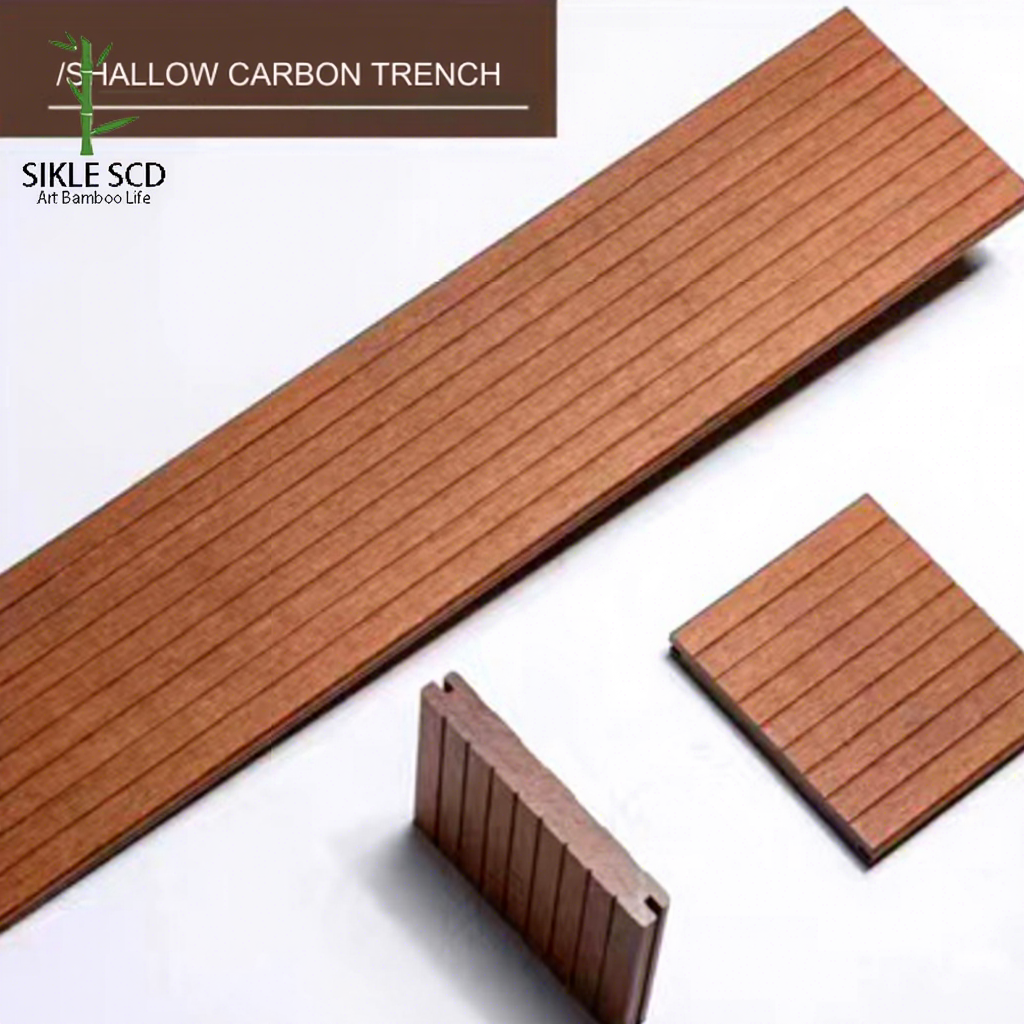
SIKLE SCD Bamboo Decking Solid Bamboo Shallow Deep Carbon 13 Coating Finish Hotel Use 5+ Year Warranty E1 Formaldehyde Standard
Carbonized bamboo decking with a multi-coat finish for hospitality terraces, pool surrounds and resort walkways. The shallow deep-carbon surface helps balance dimensional stability with a consistent architectural appearance.
View product →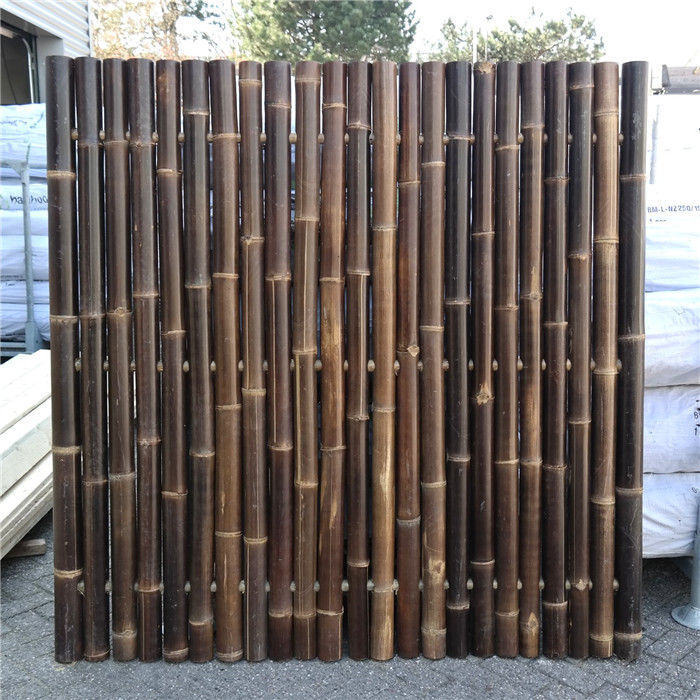
High 2m Bamboo Fence Screening
A practical 2 m screen for residential gardens, cafés, resort boundaries and landscape partitions. Natural bamboo tone provides a warm visual contrast to concrete, LVL and structural plywood elements.
View product →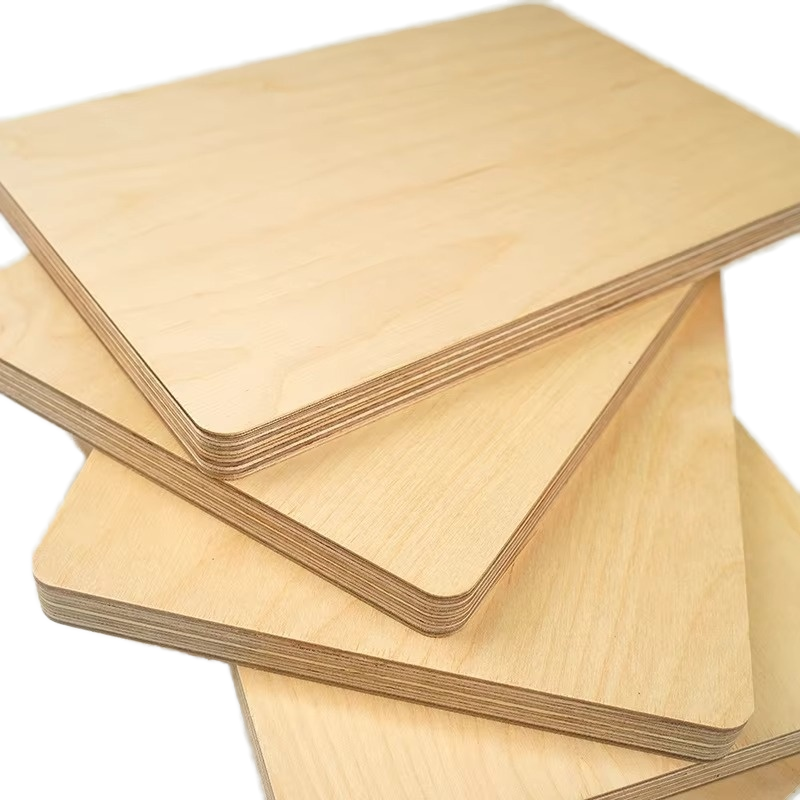
Wanhe CP-52 First-Class Poplar Birch Veneer Plywood E0 Water Resistant Modern Design 1 Year Warranty Outdoor Use Office Building
Poplar and birch veneer plywood for office interiors, protected outdoor use and design-led fit-outs. E0 formaldehyde performance and water-resistant construction make it a useful companion product for prefabricated and commercial projects.
View product →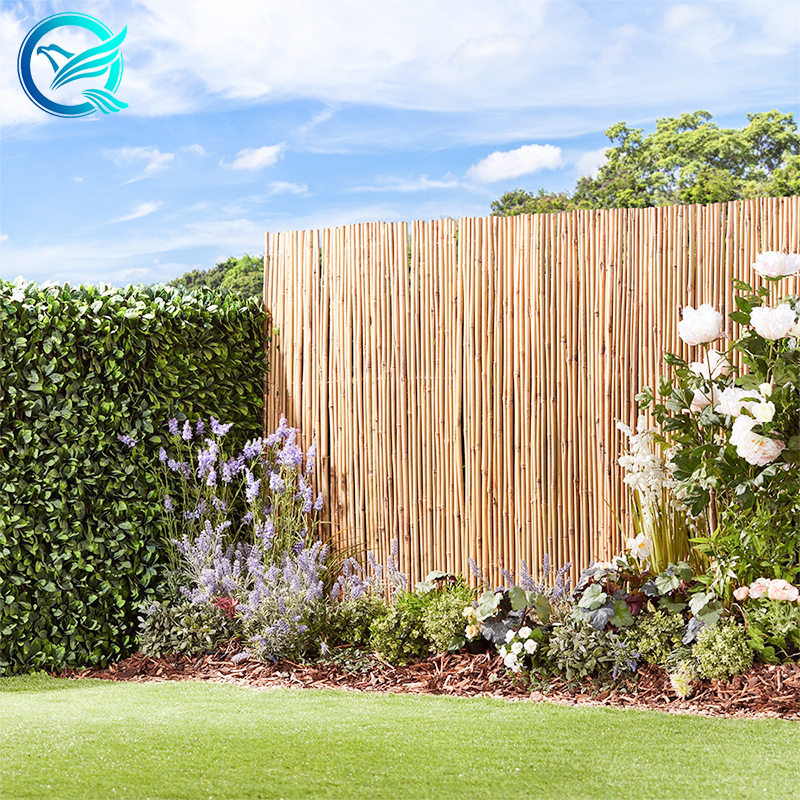
Wooden Garden Fence/bamboo Screen
A decorative fencing and screening option for gardens, courtyards and landscape zones. It supports project packages that need structural wood products plus finish-level outdoor materials from one supplier programme.
View product →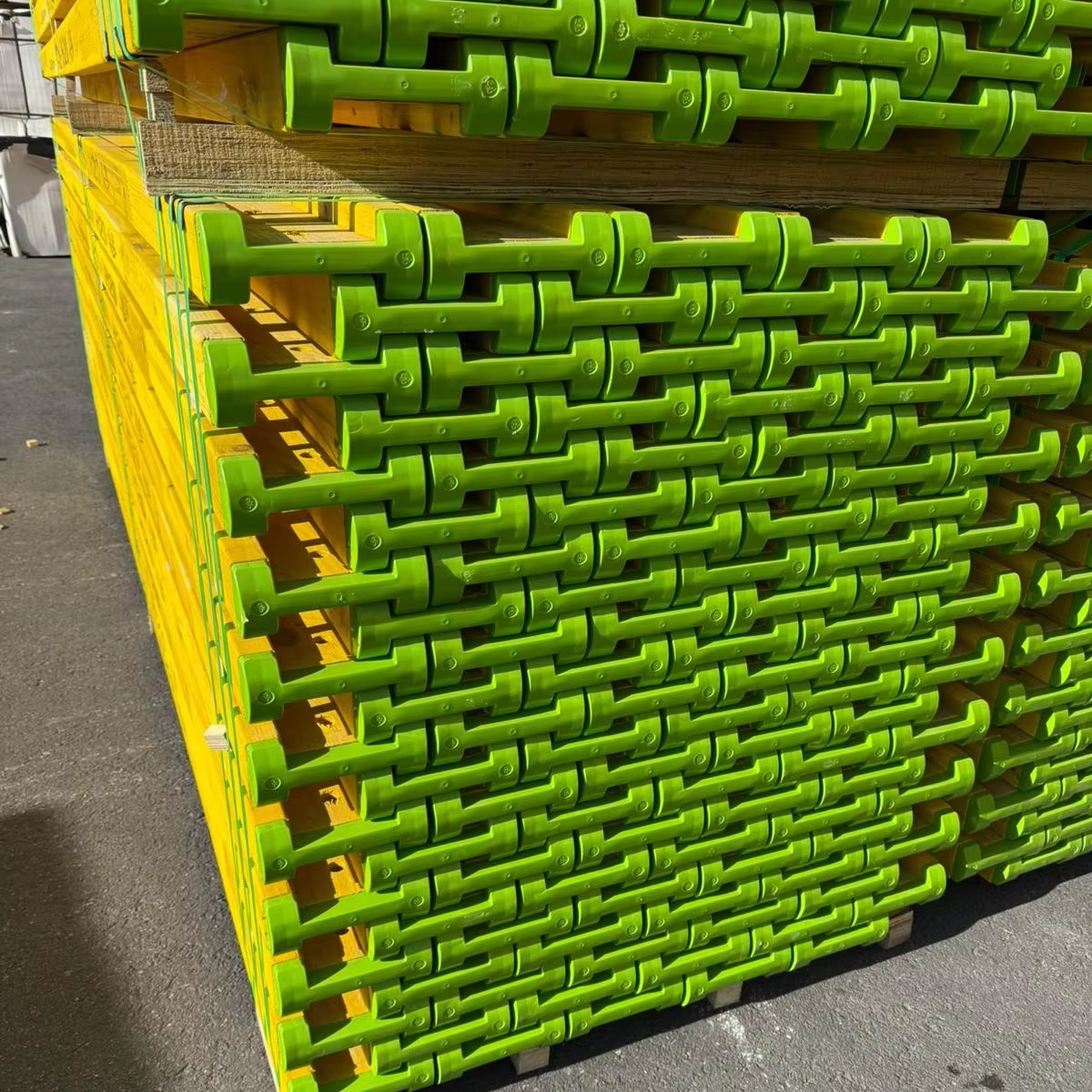
H20 Beam with Plastic Ends Yellow Waterproofing Painting Spruce Flange PINE Plywood Web
An H20 formwork beam built with spruce flanges, a pine plywood web, waterproof coating and plastic end protection. It is suitable for slab formwork, wall formwork and secondary beam systems where consistent dimensions and repeated use matter.
View product →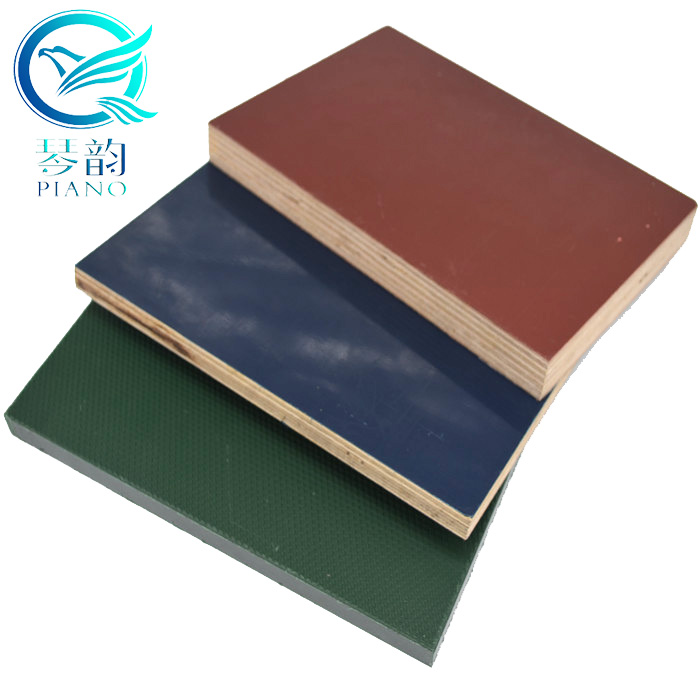
Green Color Anti-skip PP Coated Birch Plywood Sheets 6-35mm Thickness First-Class Grade MUF Glue CE Certified Double-Sided
PP-coated birch plywood with an anti-slip surface for scaffold platforms, temporary walkways, trailer floors and wet-access areas. MUF glue and CE-controlled production support demanding construction and transport applications.
View product →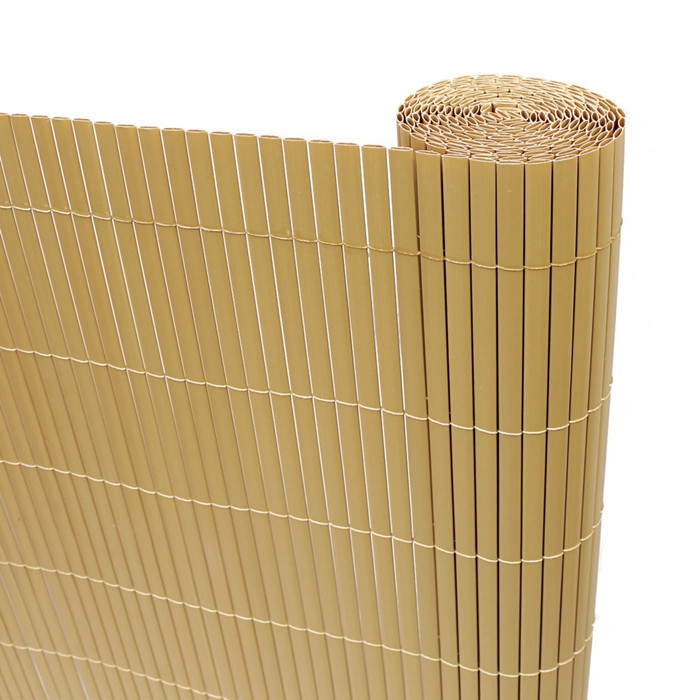
Nature Wood Frame Bamboo Fence Length 1m-12m High Straightness Rot Proof & Eco-Friendly for Livestock Farm
A wood-framed bamboo fence for livestock farms and agricultural enclosures. Rot-proof treatment, straightness and lengths from 1 m to 12 m allow adaptation to farm boundaries, shade areas and utility screening.
View product →
LANTISE 18mm First-Class Basswood Fire Resistant Melamine Film Faced Modern Design E0 Formaldehyde Emission Double-Sided 3-Year
A double-sided melamine basswood board with E0 formaldehyde emission and fire-resistant performance for commercial interiors, furniture and project joinery. It complements LVL structural packages with a finish-ready surface.
View product →A Supplier Profile That Can Be Checked, Not Just Promised
For LVL beams and engineered wood products, the difference between a low quotation and a reliable programme is often documentation, capacity and pre-shipment control. Dorni’s profile is supported by its affiliated mill, export record and third-party assessment.
Years in the industry
Exporting wood panels and formwork materials since 2008 from Shanghai, China.
Monthly plywood capacity
Output from the affiliated mill supports repeat orders and mixed-product programmes.
Complete production lines
Peeling, drying, pressing, calibrating, sanding and loading are managed in-house.
Documented quality systems
ISO 9001 management, CE-controlled production and FSC-certified material on request.
Why Dorni Is Shortlisted by LVL Beam and Engineered Wood Buyers
The strongest supplier is not always the one with the lowest headline price. It is the one that can repeat the specification, document the material, protect the shipment and answer technical questions before the first container is loaded.
Mill-backed supply
Shanghai Dorni International Trading Co., Ltd. works with an affiliated mill in Dangshan County, Anhui Province. The mill operates three complete production lines and can support programmes that combine LVL, H20 beams, plywood, formwork panels and decking.
Certification stack
Production is managed under ISO 9001 and controlled to CE requirements, with CE No. 1301-CPD-0569 referenced in the supplier profile. FSC-certified material, SGS on-site assessment and EN 314-2 bonding considerations are available for buyers who require supporting documentation.
Inspection before loading
A dedicated QC team checks raw materials on-site and inspects finished goods before every loading. For imported LVL and formwork packages, this helps identify thickness variation, edge damage, moisture issues and packing problems before the container leaves China.
Custom specifications
Dorni supports sample-based, design-based and full customization, including logo printing on film, edge-sealing colour, private-label packaging and grading to BSI, IHPA, JPIS, GB or buyer-specific standards. This is important for distributors who sell under their own brand.
Export coordination
Goods are usually loaded at Lianyungang or Qingdao port, with FOB, CFR, CIF, EXW, FAS and CIP terms accepted. The export team can coordinate mixed-product loading, pre-shipment photos, third-party inspection and documentation for buyers in Europe, the Americas, the Middle East, Africa and Asia.
Technical quotation support
For LVL and H20 beam enquiries, Dorni can review beam depth, length, flange material, web material, glue type, end sealing, surface protection and packing method. Clear inputs reduce the risk of quoting a product that is unsuitable for the intended load, reuse cycle or site environment.
LVL Beam Specification: What to Confirm Before You Compare Prices
Laminated veneer lumber, often described as LVL, is produced by bonding graded wood veneers under controlled pressure and temperature. In construction and formwork, LVL is valued for its dimensional consistency, predictable strength and reduced natural defects compared with solid timber. However, “LVL beam” is a broad term. Two suppliers can quote the same beam size while using different veneer grades, glue systems, moisture content, tolerances and end protection — and those differences directly affect reuse cycles, site safety and final project cost.
Start with the application, not the price per cubic metre. An LVL beam used as a scaffold plank has different priorities from an H20 beam used in slab formwork or a structural beam used in roof and floor systems. For formwork, buyers should confirm the beam profile, flange species, web material, waterproof coating, plastic end caps and compatibility with the existing panel system. For structural LVL, buyers should request the design basis, veneer species, glue durability, bending strength, modulus of elasticity, dimensional tolerance and any project-specific test reports.
A low price per cubic metre is not a low landed cost if the beam is undersized, poorly sealed, inconsistent in thickness or rejected at the site. The most valuable supplier is the one that can repeat the approved sample and document the production batch.
Procurement evidence to request
Serious buyers should request FSC or PEFC documentation where applicable, CE documentation for relevant wood-based products, formaldehyde emission information, bond-quality test data and a packing list that matches the approved specification. For projects with regulatory due diligence, batch traceability and species declarations are becoming as important as the sales price. A pre-shipment inspection report with photos of bundles, edges, labels and container loading is a practical risk control for first orders.
Dorni’s export team can quote LVL/LVB, H20 beams and companion plywood products in one programme. Where a specification falls outside the standard catalogue, sample-based or design-based customization can be discussed before the final offer.
| Specification point | Why it matters | What to confirm |
|---|---|---|
| Veneer species and grade | Influences strength, stiffness, surface quality and consistency. | Species, veneer grade, permitted defects and whether the beam is structural or formwork grade. |
| Glue system | Determines moisture resistance and suitability for exterior or repeated wet use. | MR, melamine, MUF or phenolic WBP; request test data where the application demands it. |
| Strength and E-value | Affects deflection, load capacity and design safety. | Target bending strength, modulus of elasticity and test report references aligned with the project standard. |
| Dimensions and tolerance | Poor tolerance slows assembly and can create gaps or misalignment in formwork systems. | Depth, width, length, squareness, twist and permitted dimensional deviation. |
| Moisture and end sealing | Excess moisture and unprotected ends reduce service life and increase movement risk. | Target moisture content, coating system, end caps, edge sealing and storage recommendations. |
| Packing and container loading | Prevents transport damage, moisture staining and handling losses. | Bundle protection, corner protection, labels, moisture barrier, loading pattern and unloading plan. |
Which Product Package Fits Your Project?
Buyers achieve better results when LVL and H20 beams are specified together with the right panel, platform and finish. These three application packages reflect common export enquiries and can be adjusted by project.
Slab and wall formwork package
For concrete contractors and formwork distributors, combine H20 beams with film-faced or 3-ply shuttering panels. The objective is a repeatable system with sealed edges, stable dimensions and efficient assembly.
- H20 beam with plastic ends and waterproof coating
- Phenolic WBP or melamine glue according to reuse target
- Panel thickness, size and edge treatment matched to the system
Access, transport and wet-area package
For scaffold platforms, temporary walkways, vehicle floors and industrial access, choose anti-slip PP-coated birch plywood with CE-controlled production. The surface can reduce slip risk in wet or dusty conditions.
- Anti-slip birch plywood in 6–35 mm thickness
- MUF glue and double-sided coating
- Cut-to-project sizes and private-label marking available
Hospitality and landscape package
For hotels, resorts, farms and residential landscape projects, combine carbonized bamboo decking, bamboo fencing and fire-resistant interior boards. This reduces the number of suppliers for finish-level materials.
- SIKLE SCD bamboo decking for hotel terraces
- 2 m bamboo screening and wood-framed farm fencing
- E0 melamine basswood board for interior fit-out
LVL Beam Procurement Trends for 2025–2030
Importers are moving away from one-off price comparisons toward supplier programmes that combine documentation, engineering support, product consistency and shipment control. The following trends are particularly relevant when sourcing LVL beams, H20 beams and formwork materials from China.
01 Documentation becomes a purchasing gate
Forest-risk due diligence, formaldehyde limits, CE declarations, chain-of-custody evidence and project-specific test reports are increasingly requested before an order is placed. Suppliers who can provide batch information, species declarations and pre-shipment inspection records will be easier to approve. For LVL beam buyers, the sales contract should link the approved sample, grading standard and documentation to the actual production batch.
02 Prefabrication and system buying grow
Contractors are buying formwork and structural wood components as systems rather than isolated materials. LVL, H20 beams, film-faced panels, anti-slip platforms and accessories are increasingly planned together to reduce site labour and minimise cutting waste. Importers who provide dimensional consistency, technical labelling and mixed container loading will have an advantage over suppliers who only quote a single SKU.
03 Supply resilience outweighs one-point price savings
Volatile freight, currency movement and project delays make landed-cost planning more important than ever. Buyers are qualifying two or three approved suppliers, confirming Incoterms flexibility and using mixed containers to balance working capital. A supplier that can ship from Lianyungang or Qingdao, support FOB, CFR and CIF, and provide loading photos before departure reduces the hidden cost of delay and rework.
Product Development Trends in LVL, Formwork and Outdoor Wood
The next generation of engineered wood products will be judged on more than raw strength. Buyers will expect better moisture protection, cleaner indoor-air performance, faster installation and clearer environmental documentation.
A Higher-performance LVL and H20 beams
Demand is increasing for dimensionally stable LVL beams with sealed ends, water-resistant coatings and controlled moisture content. For formwork, H20 beams with plastic end caps and waterproof painting reduce edge damage and extend reuse. For structural applications, tighter tolerances and documented E-values help engineers reduce over-design and improve installation speed.
B Reusable, system-compatible formwork
Panel formwork systems are moving toward fewer component types and longer service life. Phenolic WBP glue, multi-layer film faces, edge sealing and compatible H20 profiles are becoming specification points rather than optional upgrades. This trend favours suppliers who understand both panel and beam dimensions, because mismatched components can slow assembly and increase concrete finishing costs.
C Low-carbon and bio-based materials
Carbonized bamboo decking, fast-growth poplar plywood and FSC-certified wood components are attracting attention in hospitality, landscape and low-rise construction. Buyers are also asking for E0 or E1 formaldehyde performance and cleaner adhesives. The commercial opportunity lies in matching these materials with clear application guidance, so that bio-based products are used where they perform best.
How Dorni Reduces Risk from Quotation to Container Loading
A practical supplier programme should answer four questions: can the mill repeat the specification, can the QC team prove it, can the goods survive transport, and can the export team deliver the right documents on time?
Port and terms
- Lianyungang Port is about 250 km from the mill area
- Qingdao Port is about 450 km away
- FOB, CFR, CIF, EXW, FAS and CIP accepted
Certification support
- ISO 9001 management system
- CE-controlled production
- FSC-certified material available on request
- SGS on-site assessed supplier profile
Customization
- Logo printing on film and private-label packaging
- Edge-sealing colour and grade marking
- Grading to BSI, IHPA, JPIS or GB standards
Shipment evidence
- Pre-shipment inspection photos
- Third-party inspection welcome
- Bundle and container loading records
Frequently Asked Questions from LVL Beam and Formwork Buyers
These are the commercial and technical points that appear most often in first-stage enquiries. Project-specific answers should always be confirmed in the quotation and sales contract.
QWhat is the minimum order quantity for LVL beams, H20 beams and related products?
Standard film-faced and construction plywood starts from 50 m³, approximately two 40HQ containers. 3-ply shuttering panels start from 7–50 m³ depending on specification, H20 beam orders are commonly quoted from 1,000 m, and bamboo decking starts from about 100 m². LVL/LVB and mixed-product programmes are quoted according to size, grade and loading plan.
QWhich glue types and formaldehyde grades are available?
Dorni can supply MR, melamine, MUF and phenolic WBP glue systems, with E2, E1 and E0 emission grades available depending on the product. For formwork exposed to weather or repeated wet conditions, phenolic WBP is usually the stronger specification. Melamine systems can be cost-effective where reuse cycles and moisture exposure are more moderate.
QCan you customize beam sizes, panel surfaces and packaging?
Yes. Sample-based, design-based and full customization can be discussed. Options include logo printing on film, edge-sealing colour, private-label packaging, bundle marking and grading to BSI, IHPA, JPIS, GB or buyer-specific standards. For LVL and H20 enquiries, please provide beam dimensions, intended use, required strength data and destination market requirements.
QWhich certifications and inspection records can you provide?
The affiliated mill is managed under ISO 9001 quality systems, with production controlled to CE requirements and FSC-certified material available on request. The company has been assessed on-site by SGS Group. Depending on the product, buyers can request raw-material inspection records, finished-goods inspection photos, packing lists and third-party inspection arrangements before shipment.
QWhich ports and Incoterms do you use?
Goods are usually loaded at Lianyungang or Qingdao port. Dorni can quote FOB, CFR, CIF, EXW, FAS and CIP terms. For repeat programmes, the export team can review container loading plans, mixed-product consolidation and the documentation required by the destination country.
QHow can a first-time buyer verify quality before placing a large order?
A practical path is to request samples, approve the specification in writing, place a trial order or mixed container, and arrange pre-shipment inspection with photos. Third-party inspection is welcome. For LVL and H20 beams, define dimensions, moisture content, glue system, surface protection, end sealing, packing method and acceptance criteria before production begins.
Send Your LVL Beam Schedule and Container Plan
Share the beam size, length, veneer species, glue type, required strength data, surface protection, end sealing, packing method, quantity and destination port. Our Shanghai export team will review the specification and reply within 24 hours with a technical proposal and commercial quotation.
Inquire NowInclude these details for a faster quotation
Clear inputs help us match the right LVL, H20 or plywood specification to your project.
- End use: formwork, scaffold, structural beam, furniture or outdoor decking
- Dimensions, lengths, tolerances and required quantity
- Glue type, emission grade, strength or E-value requirements
- Surface coating, edge sealing, logo and packaging needs
- Destination port, preferred Incoterms and target shipment date