8 Products Buyers Frequently Review with Dorni
Door skin sourcing rarely stands alone. Wholesalers often consolidate door-facing plywood with formwork panels, engineered wood, garden screens and complementary construction materials. The eight products below preserve their original product URLs and images; mixed-container consolidation can be discussed against the relevant MOQ.
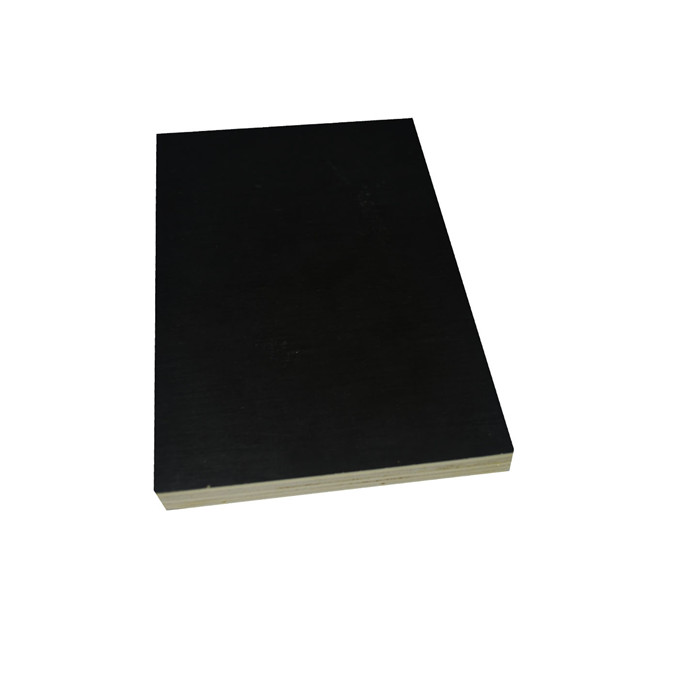
21mm Poplar Chinese Construction Siganal Film Faced Plywood for Formwork
View Product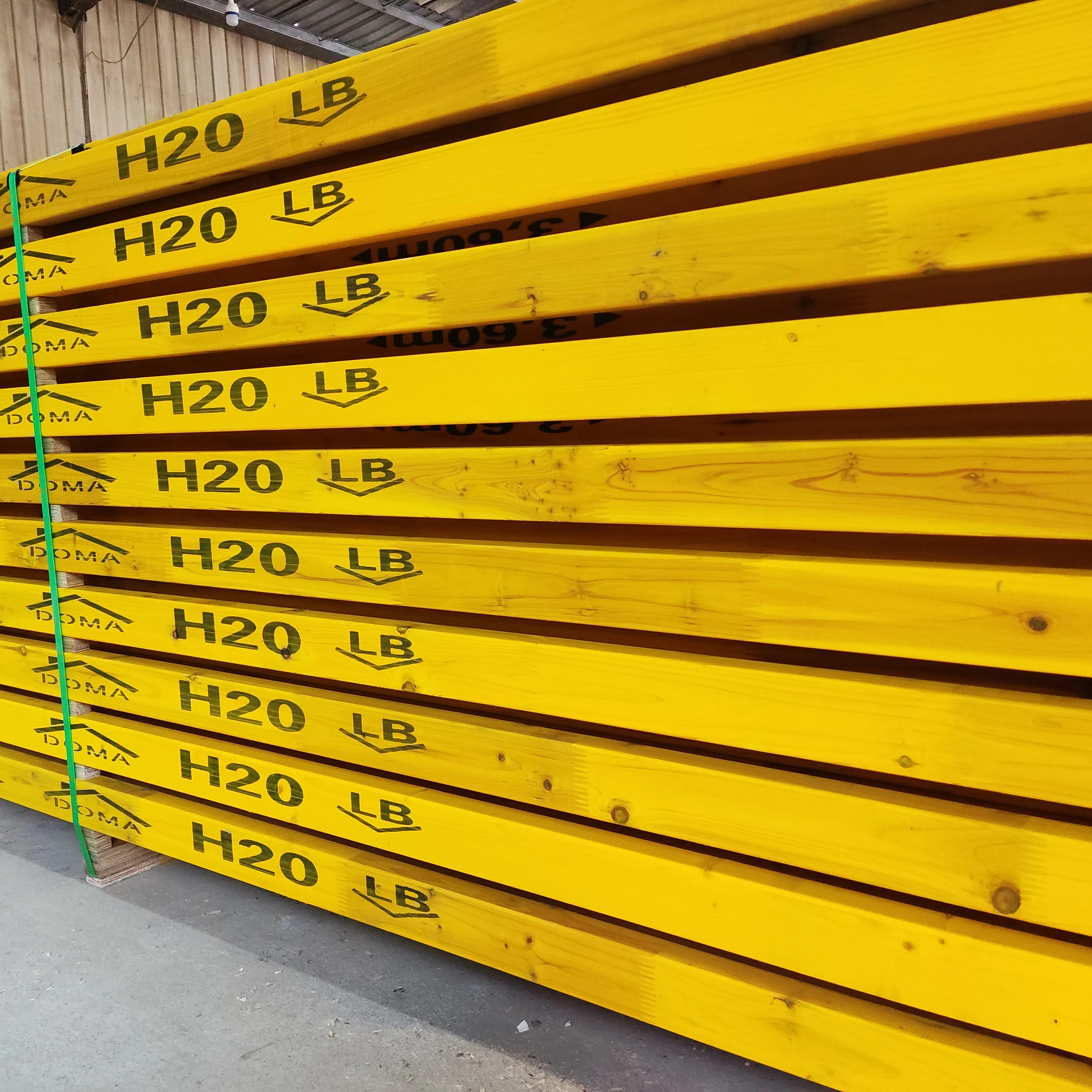
EN 13377 H20 Beam Red Plastic Cap Construction Formwork H16 H30 200x80x40x27mm E0 EN 13353 H20 Beam Formwork
View Product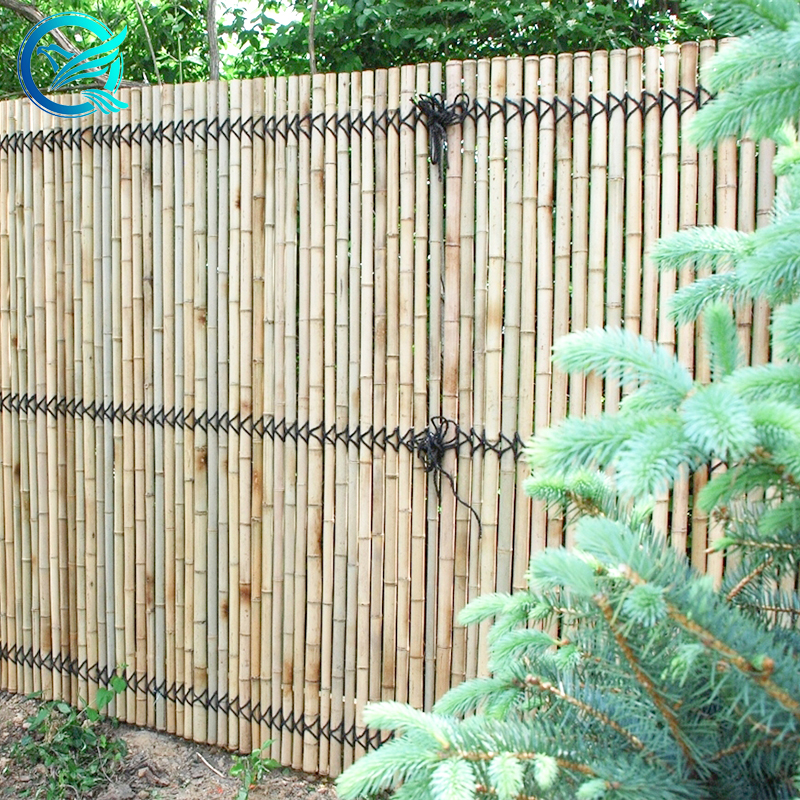
1.12x60meters Privacy Bamboo Curtain and Mat for Garden Fence and Gate
View Product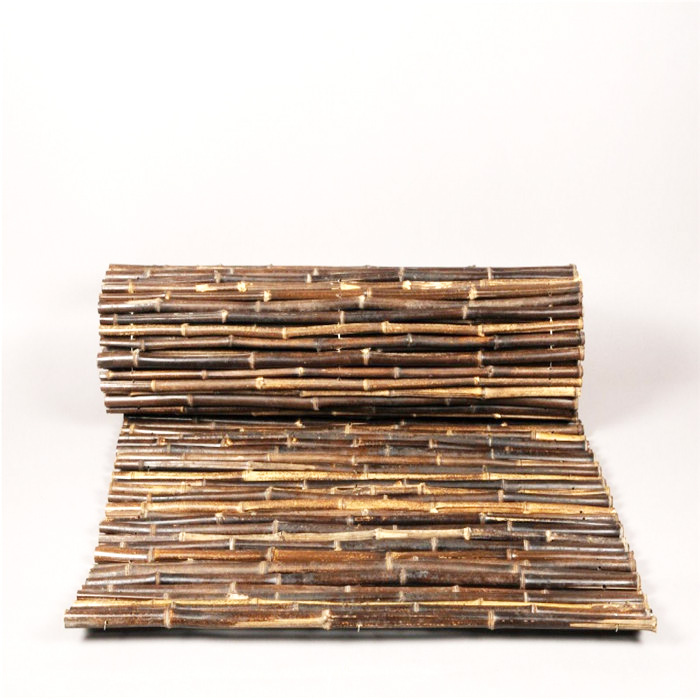
22-35mm High Straightness Bamboo Fence
View Product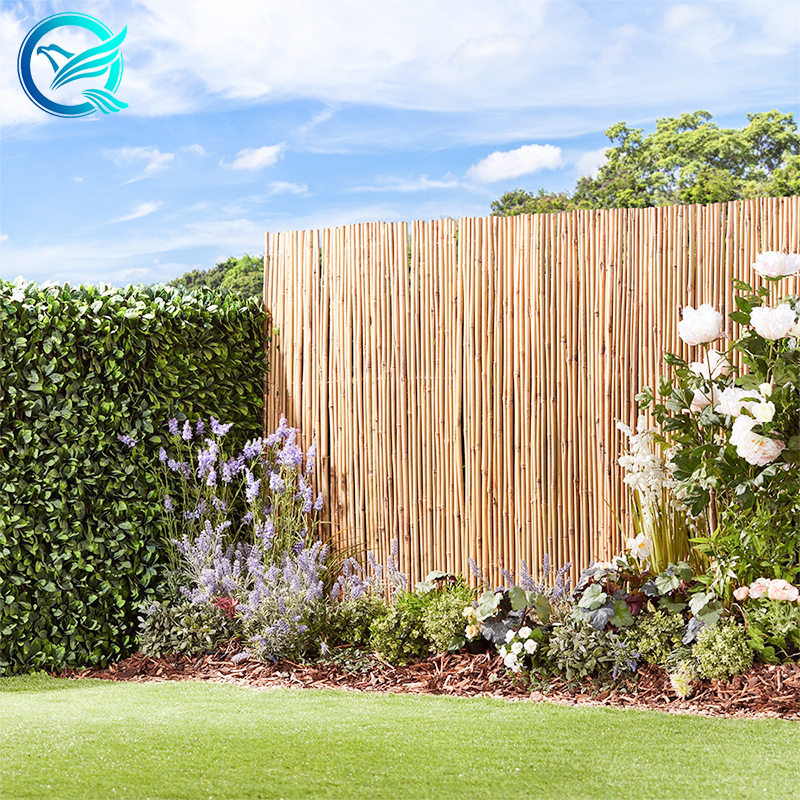
Wooden Garden Fence/bamboo Screen
View Product
High Quality LEONKING 3-ply Shuttering Plywood Spruce Pine Fir Core UV& WBP Paint Coating 21/27mm Yellow Panel Formwork Easily
View Product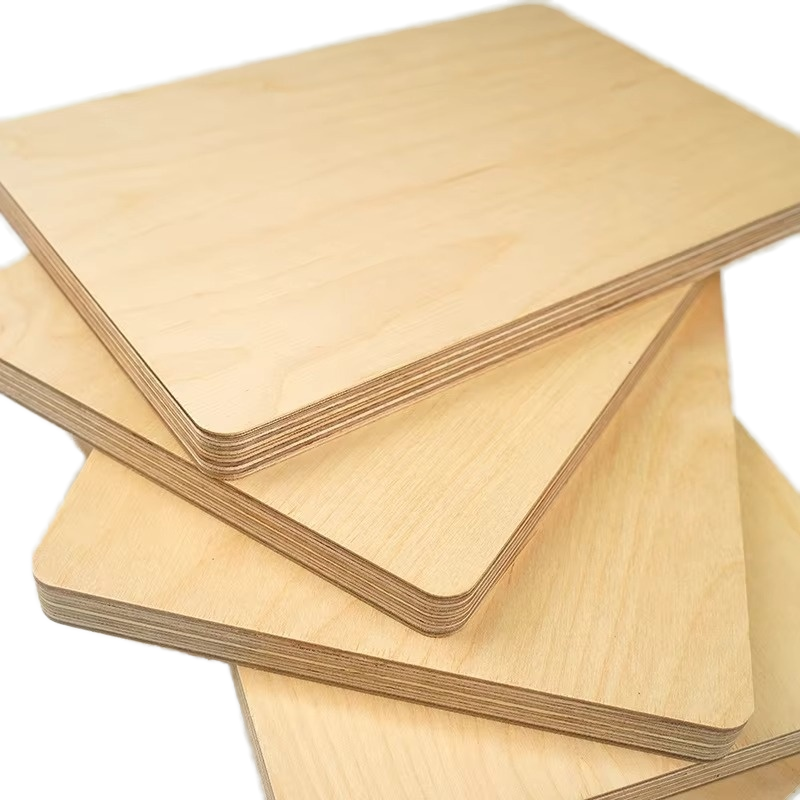
Wanhe CP-52 First-Class Poplar Birch Veneer Plywood E0 Water Resistant Modern Design 1 Year Warranty Outdoor Use Office Building
View Product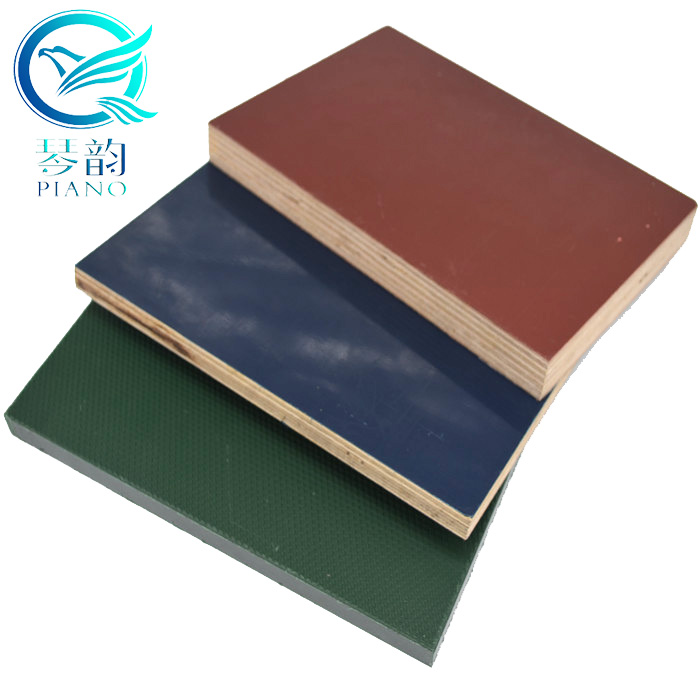
Green Color Anti-skip PP Coated Birch Plywood Sheets 6-35mm Thickness First-Class Grade MUF Glue CE Certified Double-Sided
View ProductDoor Skin Plywood Sourcing from China: What Serious Buyers Need to Know
The phrase “China best Door Skin Plywood suppliers & wholesaler” is useful for search, but it is not a medal that any factory can award itself. In real procurement, “best” means the supplier whose veneer selection, glue control, thickness tolerance, moisture balance and documentation reduce the buyer’s claim risk across an entire container program. Door skin plywood is a thin decorative or functional plywood face used for flush doors, moulded door facings, laminate carriers, painted doors and veneered door assemblies. It looks simple, yet thin panels are less forgiving than thick construction plywood: a small drift in thickness, moisture content or face grade can become visible telegraphing, edge lifting, warp or finish rejection.
Shanghai Dorni International Trading Co., Ltd. approaches this category from a mill-linked position rather than a pure trading desk. Founded in 2008, the company exports plywood and building materials from Shanghai and is supported by an affiliated mill in Dangshan County, Anhui Province. That mill operates three complete lines covering peeling, veneer drying, glue lay-up, hot pressing, double-side calibration, sanding and container loading. With a stated monthly capacity of 6,000 m³ and quality management under ISO 9001, production controlled to CE requirements, FSC-certified material availability and an SGS on-site assessment, Dorni can discuss door skin plywood as an engineered specification rather than a commodity description.
The information gain in this guide is the acceptance logic. Instead of asking only “what is your best price,” professional buyers should ask what is measured, what is photographed, what is packed and what is documented. Door skin plywood specifications should clearly state core species, face and back grade, nominal thickness, tolerance, glue type, emission class, moisture target, sanding condition, edge treatment, bundle protection and loading plan. When those points are fixed in writing, a wholesale quotation becomes comparable. When they are left open, the cheapest offer often wins the order and loses the claim.
For a door factory, the correct source is not automatically the lowest FOB supplier. It is the supplier that can reproduce the same face quality across repeated lots. Visible door skins require consistent grain, minimal patches, controlled putty repair and stable sanding. Paint-grade skins require smoothness without burn marks. Laminate carriers require flatness and screw-holding strength. Export wholesalers additionally need private-label packing, mixed product consolidation and reliable pre-shipment photos. Dorni’s export experience across North America, Europe, the Middle East, Africa and Asia supports this risk-adjusted sourcing approach.
Founded in 2008 with continuous wood panel export experience.
Plywood output from the affiliated mill production base.
Peeling, pressing, calibrating, sanding and loading under one system.
Verified review score shown in the company’s public profile data.
A Practical Supplier Scorecard for Door Skin Plywood Buyers
This is a recommended weighting model, not a claim of universal market data. Adjust the percentages to match whether your door line is paint-grade, laminate-grade, visible-veneer or humid-environment oriented.
Recommended Door Skin Plywood Specifications by Application
Door skin plywood is not one specification. The right panel depends on the door construction, surface finish, climate, CNC process and expected handling. The starting points below help wholesale buyers prepare a clear inquiry before a sample is approved.
Interior Paint-Grade Door Skin
Typical starting specification: 2.2–2.7 mm poplar or combi core, calibrated and sanded, melamine or MR glue, controlled putty repair and E1/E0 availability.
- Best for dry interior doors
- Focus on smoothness and face consistency
- Approve primer compatibility
Flush Door & Laminate Carrier
Typical starting specification: 3.0–4.0 mm combi or eucalyptus core, tighter thickness tolerance, stable sanding and WBP or phenolic option for humid production environments.
- Best for flush doors and laminate faces
- Check flatness after conditioning
- Confirm screw-holding target
Premium Birch / Visible Face
Typical starting specification: 3.6–6.0 mm birch or selected hardwood face, high visual grade, uniform grain, low patch visibility and optional UV, melamine or veneer-ready surface.
- Best for visible wood doors
- Request face photos by bundle
- Agree colour and grain tolerance
CNC & Moulded Door Component
Typical starting specification: 4.0–6.0 mm engineered or high-density core, consistent density, low thickness variation and clean machining behaviour for routed or moulded door profiles.
- Best for CNC and moulded lines
- Test cutting and edge quality
- Confirm glue line and delamination limits
These are procurement starting points, not fixed catalogue claims. Dorni confirms final core, glue, emission grade, tolerance and packing against the door assembly, target market and approved sample.
Door Skin Plywood vs MDF/HDF vs Natural Veneer on Composite
Door Skin Plywood
Lighter than dense fibreboard, with useful screw-holding strength and a wood-based face. It can be painted, laminated or veneered. Performance depends on calibrated thickness, veneer quality and moisture control. Best where impact resistance, lower weight and a wood substrate are valuable.
MDF / HDF
Homogeneous, smooth and excellent for high-speed CNC and moulded profiles. It is heavier and can be more sensitive to moisture unless the grade and protection are matched. Often preferred where uniform density matters more than weight or face grain.
Natural Veneer on Composite
The premium visual route for visible timber doors. It offers grain authenticity but adds cost and process sensitivity around sanding, staining and edge detail. Selection should be driven by the door brand positioning, not by material fashion alone.
There is no universal winner. A high-speed moulded-door plant may prefer HDF; a paint-grade flush-door producer may prefer calibrated poplar plywood; a premium architectural door brand may prefer selected veneer. The best supplier helps you match material to process.
Door Skin Plywood Procurement Trends to Plan for (2026–2030)
Buyers are moving from single-quotation purchasing to risk-adjusted supply management. The shift is visible in door manufacturing because a thin panel failure can stop a finishing line.
Risk-Adjusted Supplier Scoring
Wholesale buyers will compare landed cost with rejection risk, not only FOB price. Supplier scorecards will weight thickness control, face consistency, moisture data, certification and response speed. A low quote with weak documentation becomes expensive after a door line rejects a bundle.
Document-Ready Low-Emission Materials
E0, E1, CE, FSC and formaldehyde-related documentation will increasingly be pre-qualified before sampling. Retail and project buyers want evidence that a supplier can repeat a declared emission grade, not a one-off promise. Dorni supplies MR, melamine and phenolic WBP options with E2, E1 and E0 grades by specification.
Mixed Containers and Inventory Hedging
Importers want fewer suppliers and fuller containers. Door skin plywood can be consolidated with formwork panels, H20 beams, bamboo fencing or other Dorni products, subject to MOQ and loading logic. This reduces freight friction while keeping buffer stock closer to the market.
Digital QC and Batch Traceability
Photo reports, thickness checks, moisture records, glue batch references and loading images are becoming normal buying expectations. Third-party inspection is no longer a sign of distrust; it is part of a repeatable import program. Suppliers who document production will be easier to scale with.
How Door Skin Plywood Itself Is Changing
Door skins are becoming more engineered, more surface-focused and more documentation-driven. The winning product is not simply thinner or cheaper; it is more predictable.
Thinner, Stronger and More Calibrated
Door skin programs increasingly ask for 2.2–3.6 mm panels with tighter thickness tolerance and consistent sanding. Thin plywood must remain flat after conditioning and stable through coating, pressing and CNC handling. Calibration and moisture balance become selling points, not factory details.
Surface Engineering and Finish Readiness
Buyers want surfaces that accept primer, UV coating, melamine, laminate or veneer with fewer defects. Face grade, patch policy, sanding marks and colour consistency are moving into the specification. For visible doors, a sample book and bundle-level photo approval are more valuable than a generic “first-class” label.
Sustainable Cores and Adhesive Systems
FSC-certified material, lower-emission adhesives and traceable sourcing are becoming common RFQ fields. Phenolic WBP remains important for humid or heavy-duty door assemblies, while melamine systems suit controlled interior production. The practical trend is not one glue type for all doors; it is matching the bond to the service environment.
Why Dorni Is a Practical Wholesale Partner for Door Skin Plywood Programs
Shanghai Dorni International Trading Co., Ltd. combines an export-facing Shanghai team with an affiliated mill in Dangshan County, Anhui Province. The mill runs three complete production lines and covers the main process steps from log peeling and veneer drying through glue lay-up, cold and hot pressing, double-side calibration, sanding and loading. This matters for thin door skin plywood because the specification is only repeatable when upstream veneer preparation and downstream calibration are controlled together.
The quality story is supported by ISO 9001 management, production controlled to CE requirements, CE No. 1301-CPD-0569, FSC-certified material availability and an on-site SGS assessment. The company also reports a 5.0/5 buyer rating from 38 reviews. A dedicated QC team inspects raw materials on site and checks finished goods before every loading, with grading available to BSI, IHPA, JPIS, GB or customer-specific standards. For door skin buyers, that means the conversation can move from “best quality” to measurable acceptance criteria.
Dorni also supports sample-based, design-based and full customization, including logo printing on film, edge-sealing colour, bundle packaging and private-label presentation. Goods are usually loaded at Lianyungang Port, approximately 250 km from the mill, or Qingdao Port, approximately 450 km away. Accepted trade terms include FOB, CFR, CIF, EXW, FAS and CIP, with T/T, L/C, D/P and D/A payment options and quotation in USD, EUR, GBP, JPY and other currencies. For a wholesale program, that flexibility helps turn a one-off door skin trial into a repeatable supply plan.
Mill-Direct Process Control
Peeling, drying, pressing, calibration, sanding and loading are managed through the affiliated mill system.
Certified and SGS Assessed
ISO 9001, CE-controlled production, FSC material availability and an on-site SGS supplier assessment.
Thin-Panel QC Focus
Raw material inspection and finished-goods checks help control thickness, face grade, moisture and packing.
Private Label & ODM
Sample-based and full customization, including logo printing, edge-sealing colour, grading and packaging.
Mixed-Container Flexibility
Consolidate door skin plywood with formwork, timber beams, bamboo products or other panel items subject to MOQ.
Export Logistics Knowledge
Lianyungang and Qingdao loading, flexible Incoterms and multi-currency quotation support for global buyers.
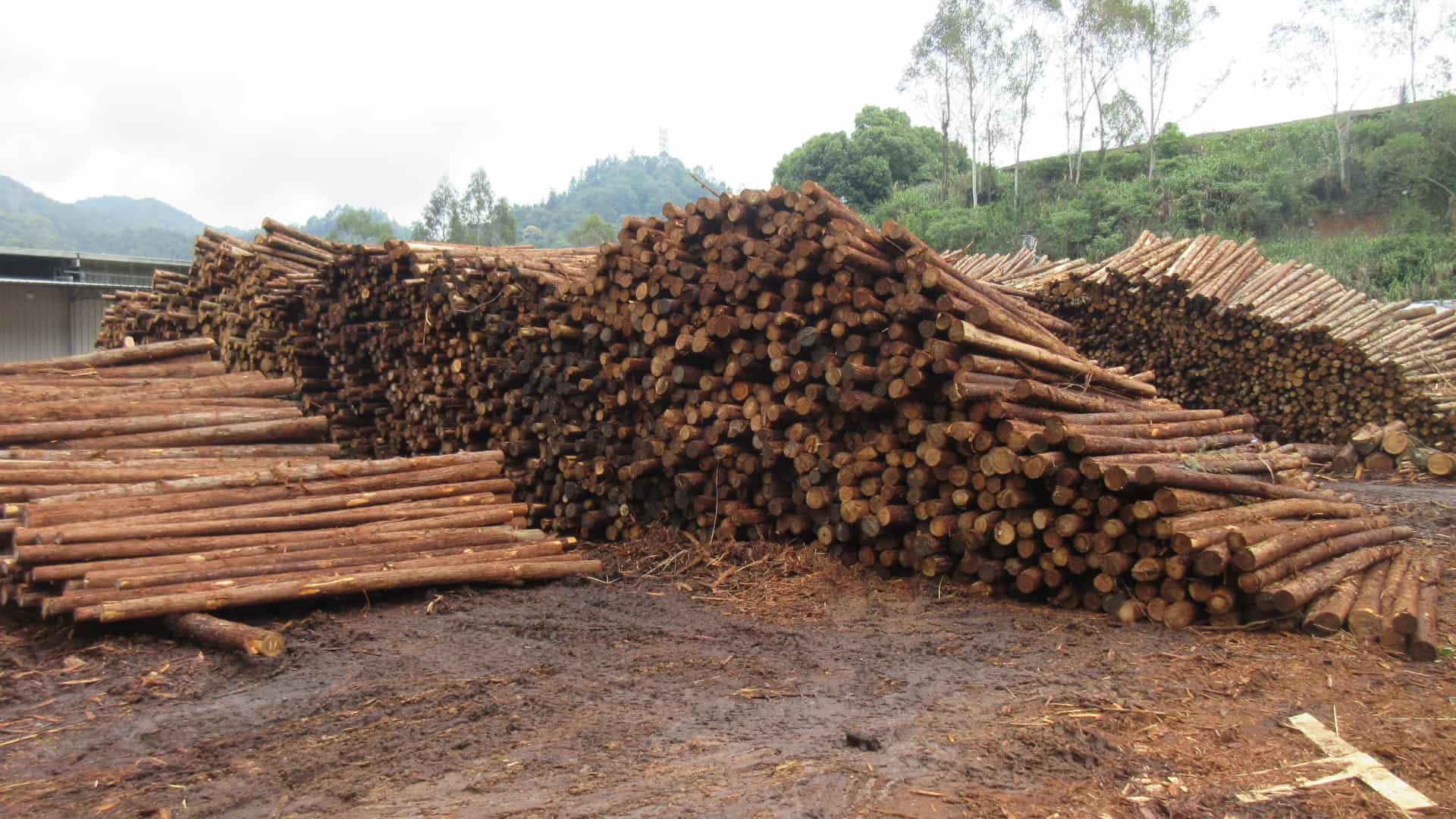
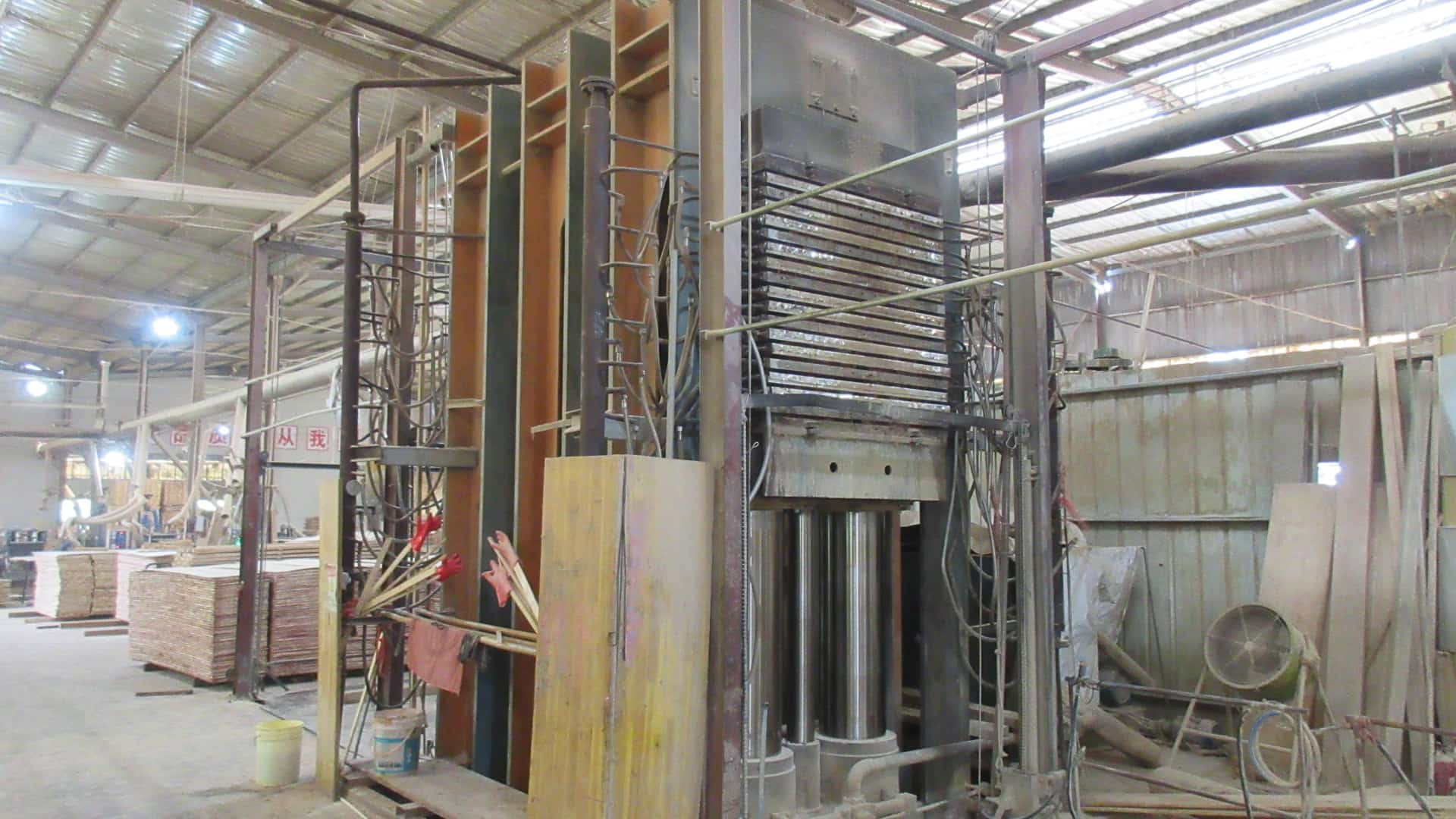
Factory production line overview
Pressing and panel consolidation
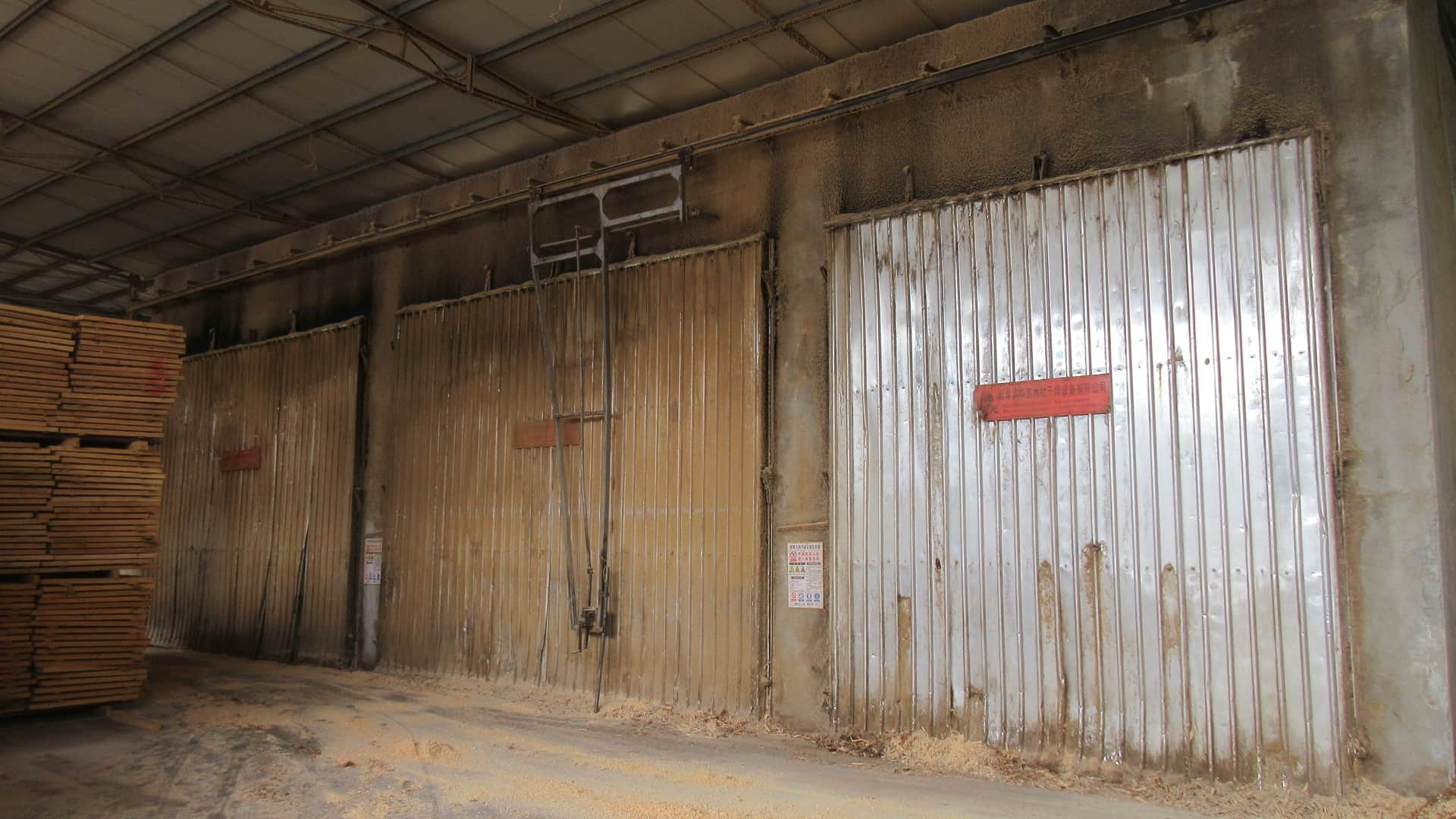
Calibrating and sanding control
Export container loading
Door Skin Plywood Wholesale: Frequently Asked Questions
These answers reflect the company information and product logic used throughout this guide. Final order details must be confirmed in the quotation and approved sample.
What thickness is commonly used for door skin plywood?
Door skin plywood is commonly discussed in the 2.2–6.0 mm range, depending on whether it is a paint-grade interior skin, a laminate carrier, a visible face or a moulded door component. Dorni’s broader plywood capability covers 2.2–30 mm, so the practical starting point is the door assembly, finish system and target tolerance rather than a single “standard” thickness. Confirm nominal thickness, tolerance and moisture condition before sampling.
Can I order samples or customize sheet size and face grade?
Yes. Dorni supports sample-based, design-based and full customization. Buyers can discuss sheet size, core species, face and back grade, glue type, emission class, sanding, edge treatment and packaging. For door skin programs, a sample should be approved together with thickness measurements, face photos and moisture information. Private-label presentation such as logo printing on film, edge-sealing colour and bundle packing can also be discussed.
Which glue type should be used for door skin plywood?
MR, melamine and phenolic WBP are the main options to discuss, with E2, E1 and E0 emission grades available by specification. Melamine is often a cost-effective choice for controlled interior door production, while phenolic WBP is relevant for humid, heavy-duty or exterior-adjacent assemblies. The correct answer depends on the service environment and local market requirements, so the glue and emission class should be written into the purchase order.
How are thickness and moisture controlled before shipment?
Dorni’s mill system includes veneer drying, pressing, double-side calibration, sanding and finished-goods inspection. For a door skin quotation, buyers should request the agreed tolerance, the moisture target, the inspection method and representative pre-shipment photos. For thin panels, bundle protection and moisture-barrier packing are as important as the panel itself. Third-party inspection is welcome when the buyer appoints the inspector.
What is the minimum order quantity and can I mix products?
Public product information states that standard film faced and construction plywood starts from 50 m³, roughly two 40HQ containers, while 3-ply shuttering panels start from 7–50 m³ depending on specification and bamboo decking from 100 m². Door skin plywood is quoted by specification and trial order intent. Mixed-product containers can be discussed against the MOQ of each item, loading efficiency and destination-market requirements.
Which certifications and export terms are available?
The mill is managed under ISO 9001, production is controlled to CE requirements and FSC-certified material is available. The company has also been assessed on site by SGS Group and reports a 5.0/5 rating from 38 reviews. Goods are usually loaded at Lianyungang or Qingdao Port. Accepted terms include FOB, CFR, CIF, EXW, FAS and CIP, with T/T, L/C, D/P and D/A payment options and multiple quotation currencies.
Send Your Door Skin Plywood Specification for a Mill-Direct Quotation
Share your target thickness, core species, face grade, glue and emission class, sheet size, estimated quantity, packaging requirement and destination port. Dorni’s export team will review the specification against mill capability and prepare a practical quotation for your door skin plywood wholesale program.
Inquire Now