Eight Factory-Direct Products Buyers Source With Container Flooring Plywood
Container flooring buyers often consolidate adjacent formwork, marine plywood and outdoor bamboo products into the same procurement plan. The product links below preserve the original catalogue URLs; every image is displayed in full without ratio distortion.



Years in the industry
Founded in 2008 and exporting wood panels and formwork materials ever since.
Monthly plywood capacity
Affiliated mill output supported by three complete production lines.
Complete production flow
Peeling, pressing, calibrating, sanding and container loading in-house.
Verified quality system
ISO 9001, CE requirements, FSC material availability and SGS assessment.
Inside a Container Flooring Plywood Factory: What Separates a Reliable Supplier
Container flooring plywood is not ordinary film-faced plywood. It is a high-density structural panel engineered for forklift point loads, container floor repair, moisture exposure, repeated impact and long service cycles. Buyers should evaluate the core, glue, density, thickness tolerance and edge protection together — not price alone.
Core structure and density
For container flooring, a 28 mm, 19-ply hardwood or eucalyptus core is commonly specified to distribute forklift and cargo loads. Low-density poplar cores may suit lightweight applications, but they are usually a poor match for heavy-duty container decks where screw holding, impact resistance and dimensional stability matter.
Phenolic WBP bonding
Phenolic WBP glue is the benchmark for exterior and high-humidity use. It resists boiling-water testing and repeated moisture cycles far better than interior or melamine-bonded panels. For container floors and marine applications, confirm bond class, glue type and edge sealing in the purchase order, not only the face colour.
Thickness and panel fit
Container floor repair depends on accurate thickness and square edges. A practical RFQ should state panel size, tolerance, density, moisture content, wear layer and whether the order is for new container production or fleet maintenance. Typical container flooring reference sizing includes 1160 × 1010 mm and 28 mm thickness, with final specifications confirmed per project.
A factory that understands container flooring will ask about the intended load, the installation method, the repair environment and the surface coating before quoting. That conversation is more useful than a bare price per sheet. For new container production, a denser hardwood core and consistent panel thickness help maintain automated floor installation tolerances. For container repair and fleet maintenance, the priority often shifts to edge integrity, moisture resistance, surface wear and how quickly repaired containers can return to service.
Quality verification should include more than a photo of a bundle. Ask for batch records, glue type, moisture content, density checks, thickness measurements, bonding tests and pre-shipment inspection images. CE, ISO 9001, FSC and SGS-assessed supplier records provide a useful procurement baseline, but the final specification still needs to match the actual application.
| Buyer scenario | Recommended product direction | Why it matters |
|---|---|---|
| New container floor production | 28 mm, 19-ply container flooring plywood with dense hardwood or eucalyptus core, phenolic WBP bond, sealed edges | Balances load distribution, screw holding, moisture resistance and installation stability. |
| Container repair and fleet maintenance | BS1088 eucalyptus hardwood core marine plywood or project-specific container floor board | Supports fast repair cycles where water exposure, impact and surface wear are recurring issues. |
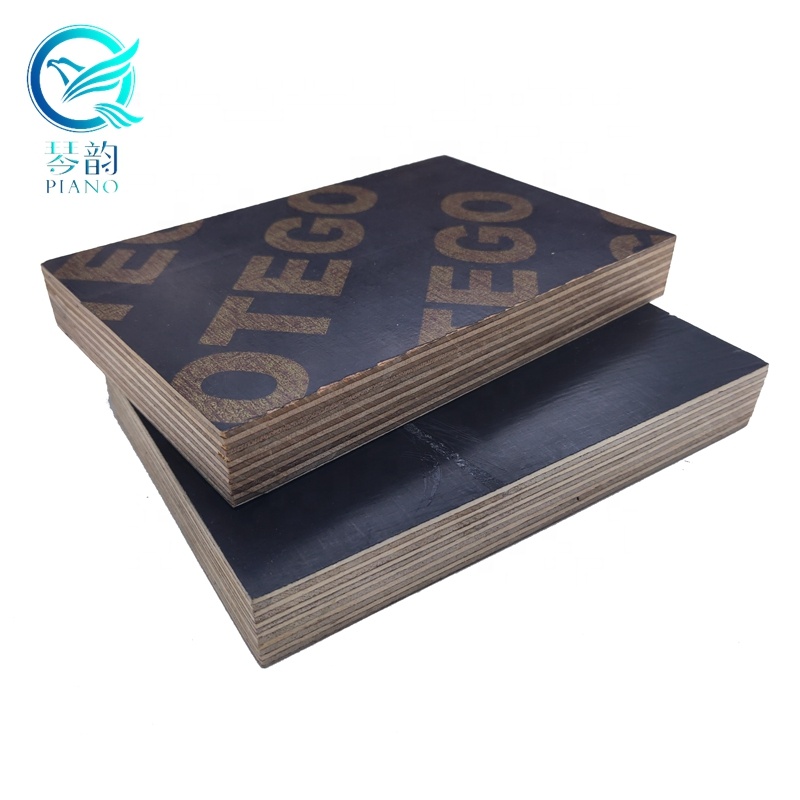
| Concrete slab and wall formwork | LEONKING 3-ply shuttering plywood plus H20 beams with plastic ends | Provides a complete formwork mix for concrete contractors and equipment rental companies. |
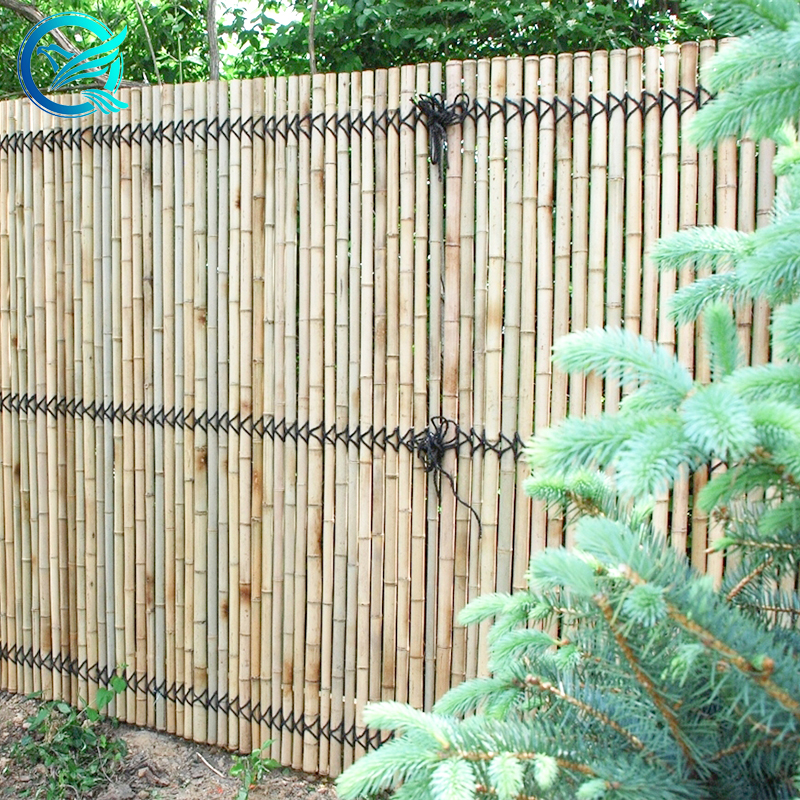
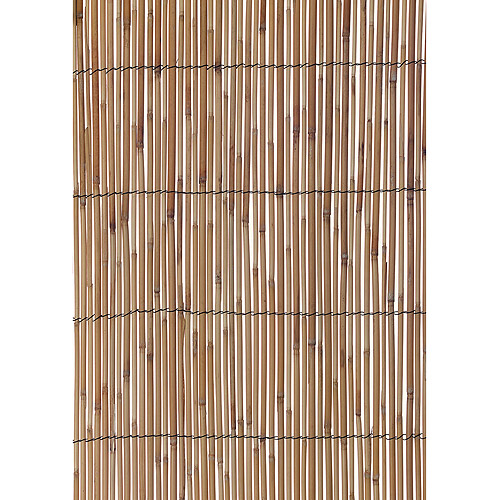
| Outdoor hospitality and garden projects | Bamboo deck tiles, bamboo fence and privacy bamboo curtain | Allows distributors to build a mixed outdoor-living container with lower logistics cost per item. |
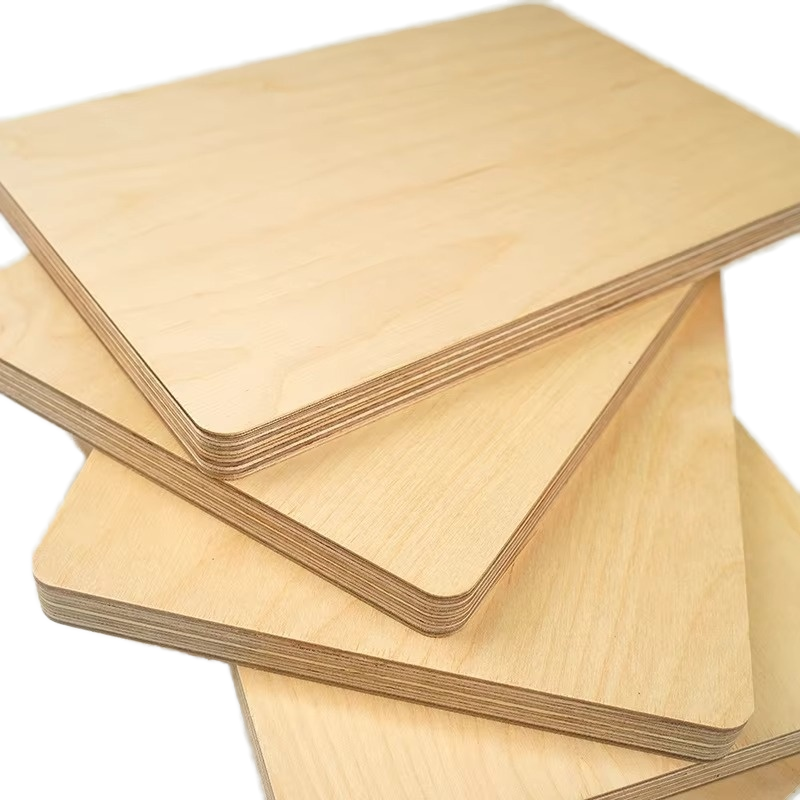
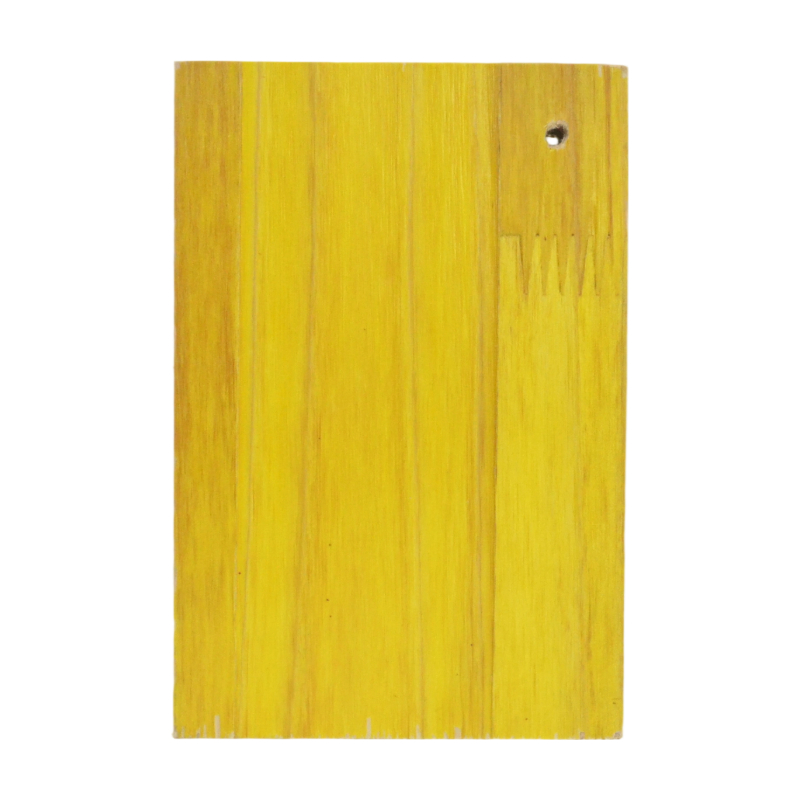
| General exterior panel and project supply | Wanhe CP-52 poplar birch veneer plywood and LEONKING yellow 3-ply shuttering panel | Useful for distributors serving construction, site protection and modular building projects. |
Recommended specifications are starting points for RFQ preparation. Final core, glue, density, thickness tolerance and certification requirements should be confirmed against your application, destination market and inspection plan.
What to Put in a Container Flooring Plywood RFQ
Suppliers cannot quote responsibly from a one-line message such as “best price for container plywood.” A structured inquiry reduces sampling time, avoids specification drift and makes it easier to compare factories on equal terms.
Product specification
- Application: new container floor, repair board, marine use or general plywood
- Panel size, thickness and acceptable tolerance
- Core species and ply count
- Glue type: phenolic WBP, melamine or MR
- Face, back and edge treatment
Quality and compliance
- Formaldehyde grade: E0, E1 or E2
- Certification requirement: ISO 9001, CE, FSC or EN 314-2
- Inspection method and third-party testing needs
- Pre-shipment photo and batch traceability requirements
- Packaging, marking and private-label instructions
Commercial and logistics data
- Quantity in cubic metres, sheets or containers
- Destination port and preferred Incoterm
- Required loading port: Lianyungang or Qingdao
- Mixed-container possibility with formwork or bamboo
- Target delivery window and document requirements
Future Procurement Trends for Container Flooring Plywood
Buyers are moving from transaction-based purchasing to specification-based sourcing. The factories and suppliers that stand out in the next procurement cycle will be those that can document quality, consolidate mixed orders and support faster technical decisions.
Traceability becomes a baseline
Procurement teams increasingly ask for batch-level quality records, glue declarations, FSC material availability and clear country-of-origin documentation. A supplier that can connect the RFQ, production batch and loading photos reduces audit risk.
Mixed-container sourcing
Container flooring buyers also purchase H20 beams, shuttering panels, LVL and outdoor bamboo products. Consolidating product categories with one export team can lower per-item logistics cost and simplify inspection scheduling.
Port and schedule flexibility
While Lianyungang and Qingdao remain practical loading ports, buyers are comparing inland transport, vessel schedules and destination fees more carefully. Flexible Incoterms — FOB, CFR, CIF, EXW, FAS and CIP — support different purchasing models.
Inspection before loading
Photo reports, third-party inspection and pre-shipment verification are becoming standard risk controls. For container flooring, measurements and bonding verification should be agreed before production, not after the container is sealed.
Product Development Trends in Container Flooring and Engineered Plywood
Container flooring specifications are becoming more demanding as buyers seek longer service life, lower maintenance and better documentation. At the same time, adjacent product lines such as formwork panels and bamboo decking are converging into broader “project package” purchasing.
Denser engineered hardwood cores
Dense hardwood and eucalyptus cores are being positioned for heavy-duty flooring applications where point loads, screw holding and thickness stability matter more than light weight.
Phenolic systems and sealed edges
Phenolic WBP bonding, waterproof edge paint and wear-resistant film faces are becoming specification points rather than optional upgrades for exterior-grade plywood.
Lower-emission and certified materials
E0, E1, FSC and CE-related documentation are increasingly requested by distributors and project buyers. Full customization can include grading to BSI, IHPA, JPIS, GB or customer standards.
Repair-friendly and modular supply
Container maintenance buyers prefer panel sizes and packaging that reduce cutting waste. Suppliers that can combine container floor boards with formwork, bamboo and LVL products offer a more complete procurement package.
Why Dorni Is Shortlisted by Container Flooring Buyers
Shanghai Dorni International Trading Co., Ltd. combines a Shanghai export team with an affiliated plywood mill in Dangshan County, Anhui Province. The mill operates three complete lines and supports a monthly plywood capacity of 6,000 m³, with production managed under ISO 9001 and controlled to CE requirements, CE No. 1301-CPD-0569. FSC-certified material is available, and the company has been assessed on-site by SGS Group.
Mill-backed supply
Three complete production lines cover peeling, pressing, calibrating, sanding and loading, giving buyers a direct path from specification to container dispatch.
Quality inspection discipline
A dedicated QC team inspects raw materials on site and checks finished goods before every loading. Pre-shipment photos and third-party inspection are welcomed.
ODM and private label
Sample-based, design-based and full customization are available, including logo printing on film, edge-sealing colour, bundle packaging and grading to BSI, IHPA, JPIS or GB standards.
Export logistics support
Loading from Lianyungang or Qingdao port, with FOB, CFR, CIF, EXW, FAS and CIP terms, main markets across the Americas, Europe, the Middle East, North Africa and Asia.
Container Flooring Plywood Factory & Supplier FAQ
These are the questions importers, container repair teams, distributors and contractors ask most often before placing a first order or moving to a repeat order.
What is container flooring plywood, and why is 28 mm with 19 plies commonly specified?
Container flooring plywood is a high-density structural panel used for container floors and repair applications. A 28 mm, 19-ply construction is commonly referenced because multiple cross-laminated plies help distribute forklift point loads, improve screw holding and reduce deflection. The exact core species, glue type, density, thickness tolerance and surface treatment should be confirmed against your new-build or repair application.
What is the minimum order quantity for container flooring plywood and related products?
Standard film-faced and construction plywood typically starts from 50 m³, roughly two 40HQ containers. 3-ply shuttering panels start from 7–50 m³ depending on specification, and bamboo decking from 100 m². Container flooring and special specifications may be organized by sheet count, cubic metres or container load; for example, certain container flooring references start from around 200 pcs. Mixed-product containers can be discussed for trial orders.
Which glue types, emission grades and certifications are available?
We supply MR, melamine and phenolic WBP glue options, with E2, E1 and E0 grades available depending on product and order. The mill is managed under ISO 9001, production is controlled to CE requirements, FSC-certified material is available, and the company has been assessed on-site by SGS Group. Bond testing for exterior-grade and birch products can be discussed against EN 314-2 requirements.
Can you supply custom panel sizes, branded film or private-label packaging?
Yes. We support sample-based, design-based and full customization. Options include custom sheet sizes, logo printing on film, edge-sealing colour, bundle packaging, customer grading standards and private-label documentation. For container flooring and marine plywood, we recommend freezing the specification in a written approval sample or detailed drawing before mass production.
Which ports do you ship from, and which Incoterms are accepted?
Goods are usually loaded at Lianyungang or Qingdao port. We accept FOB, CFR, CIF, EXW, FAS and CIP terms, and can arrange express delivery for samples. Payment terms such as T/T, L/C, D/P and D/A can be discussed according to order value, destination and buyer history.
How can buyers verify quality before the container leaves China?
Before shipment, we can provide production and loading photos, thickness and dimension checks, packing details and batch reference information. Third-party inspection is welcome. For container flooring, agree the critical control points in advance: core material, ply count, glue type, density, moisture content, thickness tolerance, surface coating, edge sealing and packaging.
Can container flooring plywood be mixed with H20 beams, shuttering panels or bamboo products?
Yes. Many buyers combine container flooring and marine plywood with H20 beams with plastic ends, LEONKING 3-ply shuttering plywood, yellow 3-ply shuttering panels, bamboo fence panels, privacy curtains and bamboo deck tiles. Mixed containers can reduce freight cost per product and simplify supplier management, provided that loading, packing and documentation are planned carefully.
What is the best approach for a first container order?
Start with a clear application brief: destination, product use, required certification, target quantity, panel size, core preference, glue type, packing method and inspection plan. Request a specification proposal and sample before confirming a full container. A structured first order gives both buyer and factory a shared quality baseline for repeat business.
Send Your Container Flooring Plywood Specification for a Technical Review
Share your panel size, thickness, core preference, glue type, certification requirement, quantity and destination port. The Dorni export team will review the specification against the mill’s production capability and prepare a practical proposal for your project.
Send an Inquiry