Eight Export-Ready Products From Our CE Panel Portfolio
For CE-certified roof sheathing tenders, we quote against the required structural declaration, support spacing and destination standard. The eight products below show the panel, formwork and outdoor range that supports mixed-container and project-based purchasing.
 E0 / Fire Resistant
LANTISE 18mm First-Class Basswood Fire Resistant Melamine Film Faced Modern Design E0 Formaldehyde Emission Double-Sided 3-Year
E0 melamine film-faced basswood panel for clean interior surfaces, protected applications and buyers who require low-formaldehyde documentation.
View Product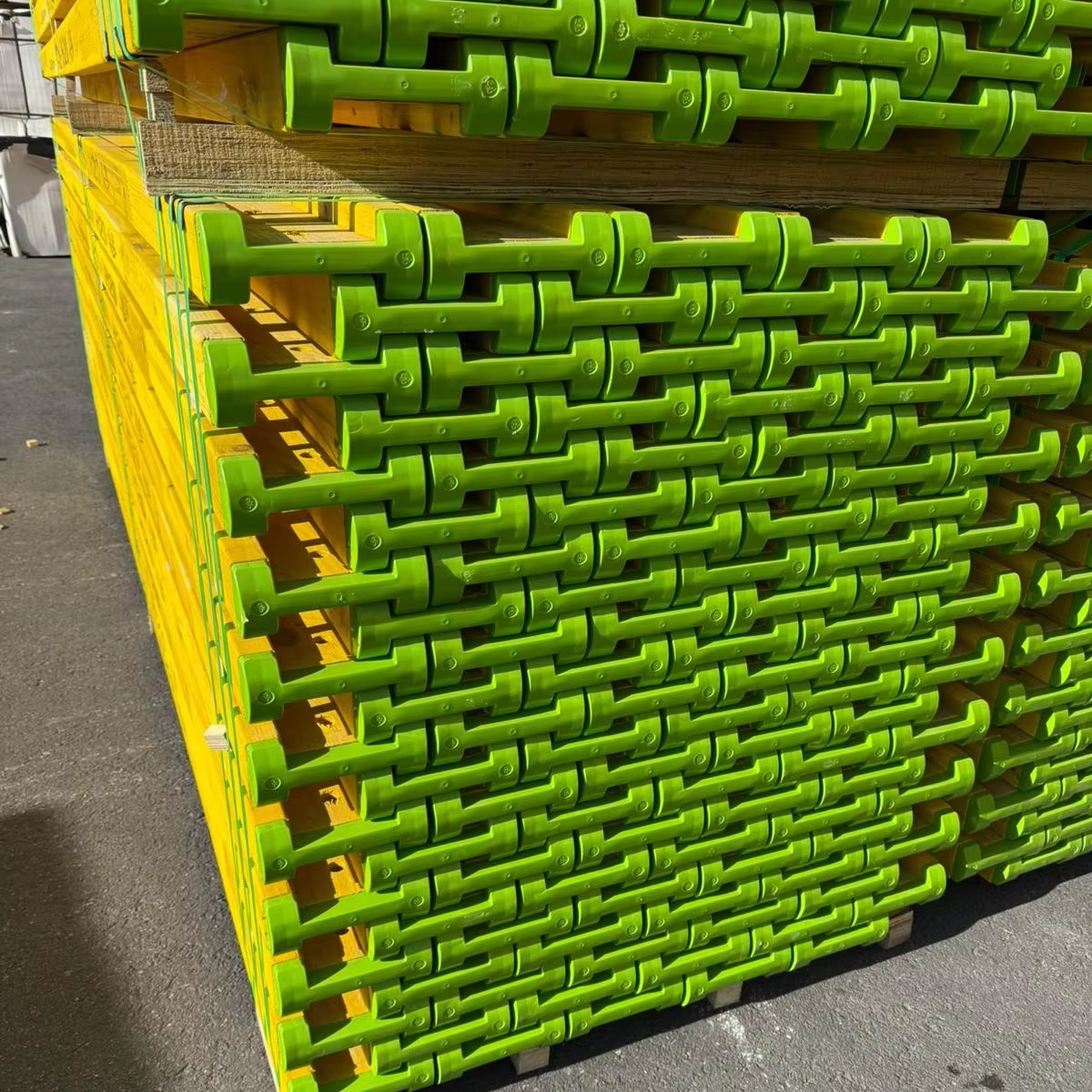 H20 Formwork
H20 Beam with Plastic Ends Yellow Waterproofing Painting Spruce Flange PINE Plywood Web
H20 timber beam with plastic end protection for slab formwork, secondary beams and high-repeat European-style systems.
View Product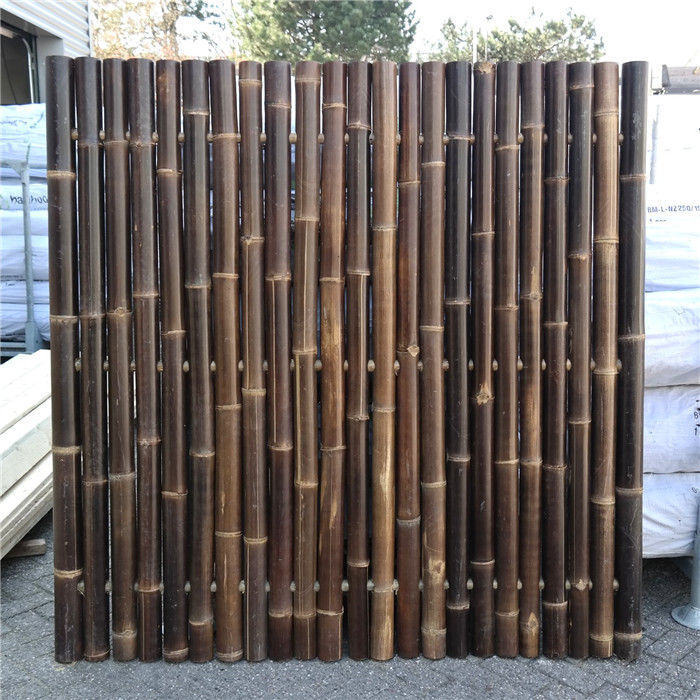 Outdoor Screening
High 2m Bamboo Fence Screening
Two-metre bamboo screening for hotels, gardens, terraces and landscape projects that need a warm natural finish.
View Product 3-Ply / WBP
High Quality LEONKING 3-ply Shuttering Plywood Spruce Pine Fir Core UV& WBP Paint Coating 21/27mm Yellow Panel Formwork Easily
21/27 mm three-ply shuttering plywood with spruce-pine-fir core and UV/WBP coating for concrete formwork panels.
View Product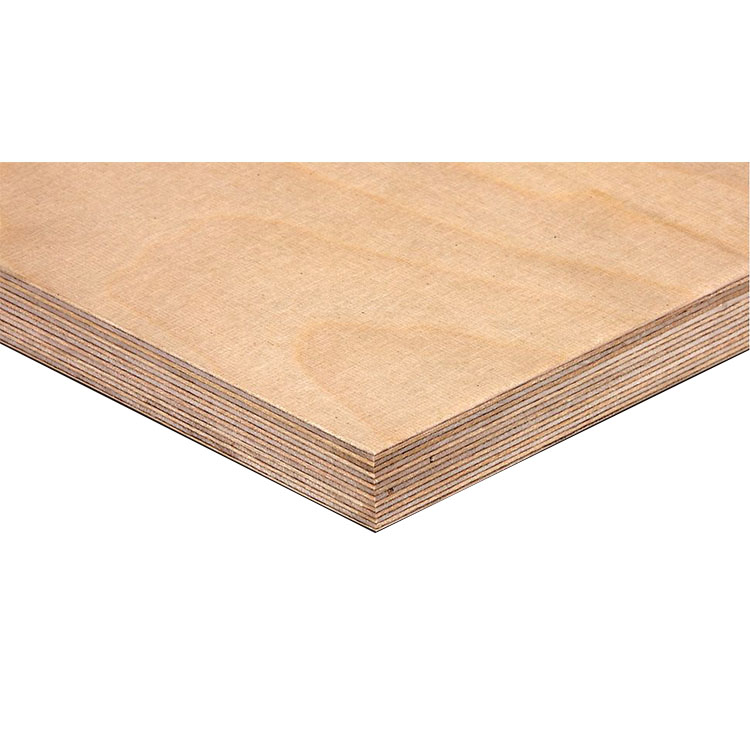 Birch / E0
Film Faced UV Coated Double-Sided E0 Certified First-Class Certified for Certified Low Formaldehyde Piano Brand Birch Plywood
UV-coated E0 birch plywood for premium interior fabrication, piano components and buyers requiring certified low-formaldehyde panels.
View Product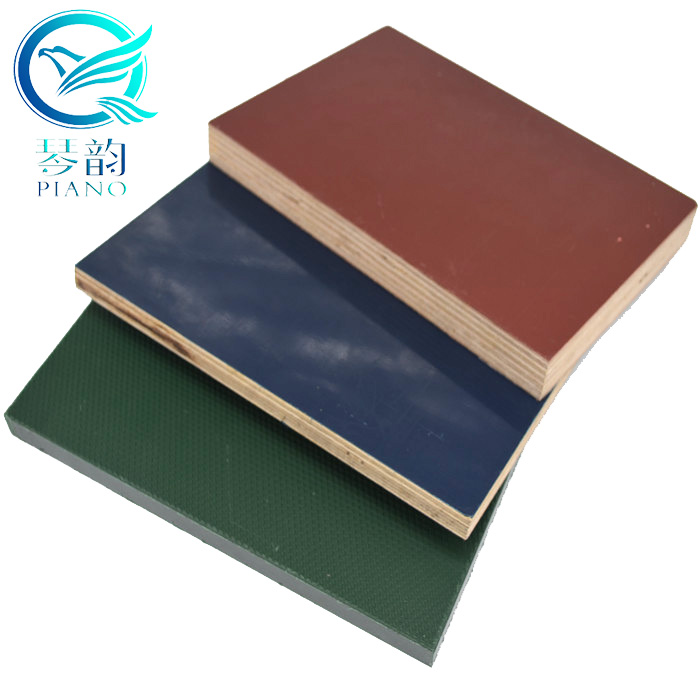 Anti-Slip / CE
Green Color Anti-skip PP Coated Birch Plywood Sheets 6-35mm Thickness First-Class Grade MUF Glue CE Certified Double-Sided
Anti-slip PP-coated birch sheets in 6–35 mm for platforms, transport, staging and project areas where slip resistance matters.
View Product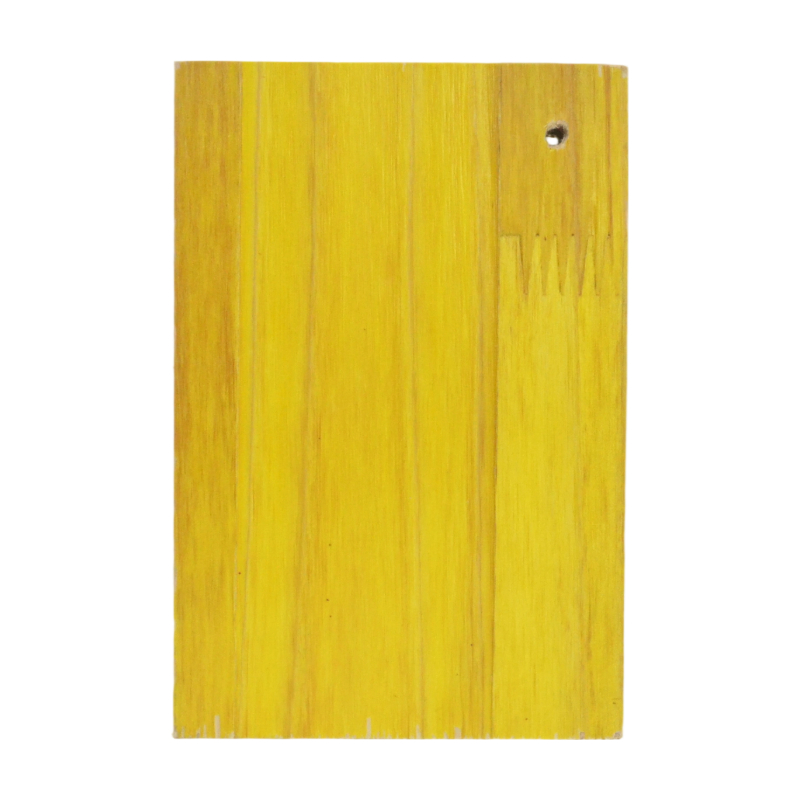 Shuttering Panel
LEONKING Yellow 3 Ply Shuttering Panel Three Layer Board 21/27mm Spruce Fir Pine Three Ply Shuttering Panel
Yellow 3-ply panel in 21/27 mm for panel formwork, wall forms and slab systems using spruce, fir or pine construction.
View Product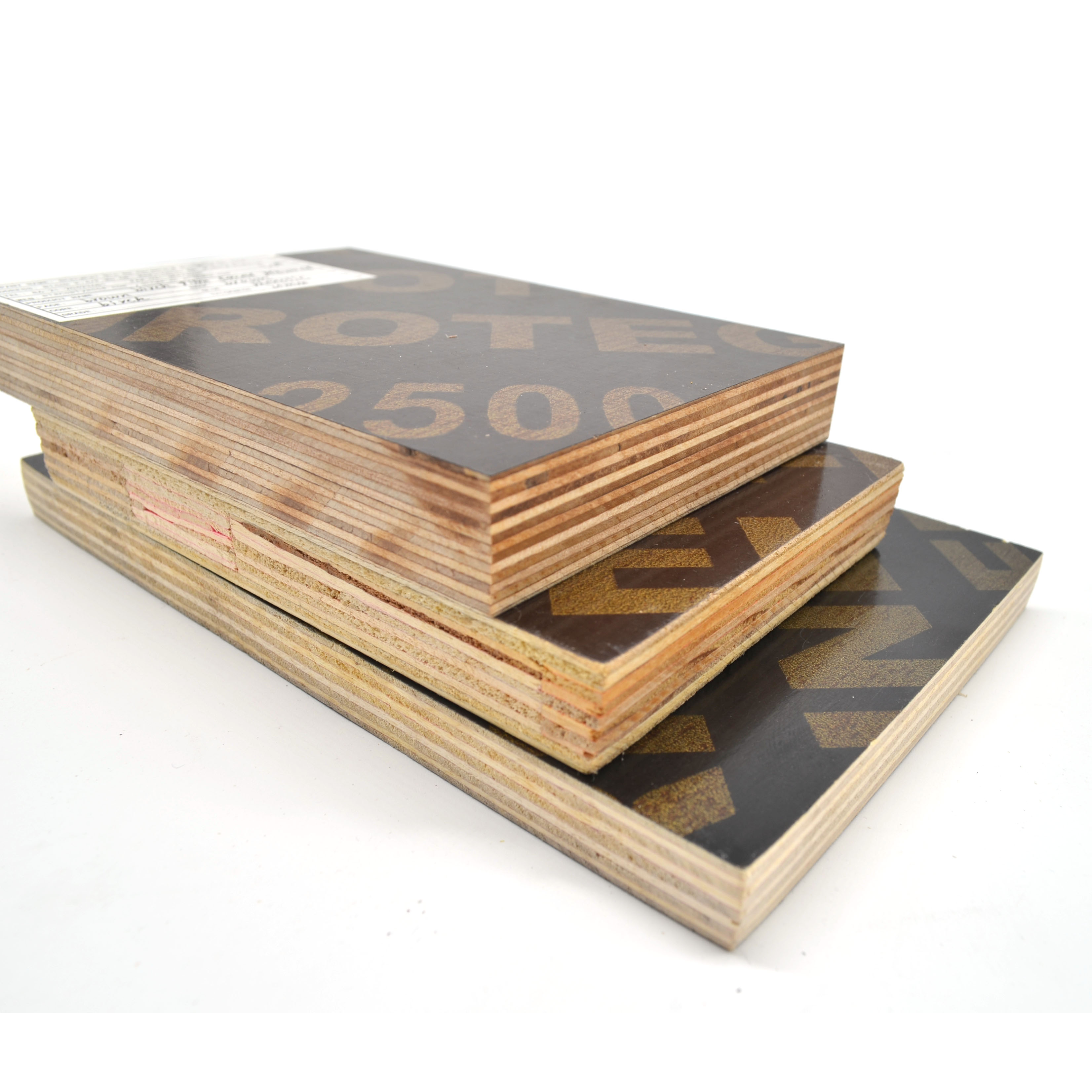 Outdoor / Phenolic
Phenolic Red Film Faced 18mm E0 First-Class Grade Poplar Plywood Strongplex CE Certified Outdoor Use
18 mm red phenolic film-faced poplar plywood for outdoor concrete formwork, repeat-use panels and CE-conscious site supply.
View ProductYears in the Industry
Founded in 2008, exporting plywood and building materials to international buyers ever since.
Monthly Capacity
Plywood output from the affiliated mill, supported by three complete production lines.
Complete Lines
Peeling, drying, pressing, calibrating, sanding and loading are managed within the supply chain.
Thickness Range
MR, melamine, phenolic WBP, E2, E1 and E0 options for panel, floor, roof and formwork buyers.
CE-Certified Plywood Roof Sheathing: A Specification Category, Not a Commodity SKU
Wholesale buyers often search for “CE certified plywood roof sheathing” as one line item and then compare only price per sheet. That approach is risky because roof sheathing performance depends on the declared panel properties, structural design, fixing pattern and site exposure — not on a logo alone.
For wood-based panels used in construction, CE marking is generally declared against EN 13986. The Declaration of Performance identifies the characteristics claimed for the panel, such as reaction to fire, formaldehyde release and mechanical performance where relevant. It does not automatically approve a panel for every roof, support spacing or load condition. A responsible exporter should help you connect the CE declaration to the actual roof build-up, while the project engineer confirms span capacity, wind uplift and snow load.
From our export order experience, the strongest RFQs include five details: panel thickness, core species or core mix, exterior glue class, CE performance declaration required, and destination port or project standard. When a buyer also states joist spacing, roof type, membrane system and whether FSC or E0 documentation is mandatory, the quotation becomes far more accurate. This is where a mill-backed exporter adds value: the panel is not quoted in isolation, but matched to a production route, a QC checklist and a document pack.
Roof Sheathing Specification Matrix for Wholesale Buyers
| Application | Panel Direction | Indicative Thickness | Critical Procurement Clause | Buyer Note |
|---|---|---|---|---|
| Pitched roof sheathing / structural deck | Structural plywood with exterior bonding and declared mechanical properties | 15–21 mm, subject to structural calculation | CE Declaration of Performance, support spacing, load class and fixing schedule | Do not substitute decorative film-faced panels unless the project engineer approves. |
| Flat warm-roof deck | Dimensionally stable structural panel with sealed edges where specified | 18–21 mm, project-specific | Moisture content, edge sealing, membrane compatibility and deck tolerance | Coordinate panel joints with insulation and waterproofing details. |
| Roof refurbishment / overlay | Panel matching existing structural and fixing requirements | Match existing deck or engineer’s instruction | Thickness tolerance, surface condition, fixing length and temporary weather protection | Inspect existing joists before confirming a replacement panel. |
| Concrete formwork | Film-faced or 3-ply shuttering panel | 18–27 mm, depending on system | WBP or phenolic glue, film grade, edge paint and reuse target | Film-faced panels are usually formwork products, not automatic roof sheathing. |
| Outdoor protected structures | Phenolic film-faced or exterior-grade panel | 12–18 mm, application-specific | Water resistance, UV exposure, coating and sealing detail | Clarify whether the panel is visible, temporary or permanently exposed. |
The thickness values above are procurement guidance only. Final roof sheathing selection must follow the project engineer’s calculation, local building rules and the panel manufacturer’s declared performance.
Procurement Trends Shaping CE Plywood Buying Through 2030
Price will remain important, but wholesale buyers increasingly compare documentation, emission class, mill traceability and container flexibility. These four trends are already changing how serious importers structure quotations.
Documentation-First Purchasing
Buyers are moving from “CE available?” to “send the Declaration of Performance, label artwork, batch traceability and test scope.” This is especially important for roof sheathing and public projects, where the purchasing file must show why a panel was accepted, not merely that it was offered at a lower price.
Low-Emission and Indoor-Air Quality
E1 remains the baseline for many markets, while E0 and low-formaldehyde claims are increasingly requested for interior-adjacent fabrication, furniture components and buyers with stricter green-building specifications. Roof sheathing buyers should still separate structural performance from formaldehyde class; both may matter, but they answer different questions.
Mixed-Container and SKU Planning
Distributors want one supplier to combine roof panels, formwork boards, H20 beams and outdoor products without overloading inventory. The winning export quotation is increasingly a load plan: panel sizes, bundle marks, private labels, moisture protection and photos before shipment are quoted as part of the commercial offer.
Risk-Buffered Sourcing
Importers are splitting orders between certified suppliers and reserving a second approval route for critical projects. They ask for SGS assessment evidence, production-line photos, pre-shipment inspection records and clear claims about what certificates do and do not cover. Trust is being verified through process evidence rather than brochures alone.
Product Development Trends: What the Next Generation of Panels Will Offer
The next round of panel competition will not be limited to thickness or price. Development is moving toward tighter process control, exterior-bond reliability, cleaner emissions and better digital traceability from the mill to the container.
Exterior Bond and Edge-Sealing Upgrades
Phenolic WBP and carefully sealed edges remain central for formwork and weather-exposed applications. Buyers should expect more attention to water uptake, film adhesion, edge paint coverage and repeat-use performance, especially where panels are specified for humid or coastal projects.
Tighter Tolerances and CNC-Ready Panels
Calibrated thickness, square edges and consistent surfaces reduce waste in prefabrication. This matters for formwork systems, modular construction and industrial fabrication where panels are cut by CNC before shipment. The mill’s double-side calibrating and sanding capability becomes a commercial advantage, not just a technical detail.
Hybrid Structural Packages
Plywood is increasingly sold together with LVL, H20 beams, scaffold boards and formwork accessories. Importers benefit when a single technical contact can compare panel, beam and accessory specifications, reduce compatibility mistakes and consolidate multiple product families into a practical container plan.
Sustainability and Traceable Data
FSC availability, responsible sourcing records and cleaner formaldehyde performance are becoming part of the product, not an afterthought. Exporters that can connect a bundle to its production batch, inspection record and certificate scope will be easier for professional buyers to approve in procurement systems.
Matching the Panel to the Risk Before You Place the Order
A good recommendation starts with the application. The table below helps buyers separate roof sheathing enquiries from formwork, furniture, transport and landscaping demand so that the wrong value-engineered panel is not offered against a structural specification.
| Product Family | Best-Fit Application | Why Buyers Select It | Procurement Caution |
|---|---|---|---|
| CE-certified structural plywood for roof sheathing | Pitched roofs, flat-roof decks, structural overlay and sheathing to engineer’s specification | Declared performance, exterior bonding and project-specific thickness selection | Confirm support spacing, load class and fixing pattern; do not accept a generic CE label without the relevant declaration. |
| Film-faced plywood | Concrete formwork, repeated site use and protected temporary works | Smooth finish, film protection and easy release in formwork systems | Film facing is not the same as structural roof sheathing approval; check the core and declared performance. |
| 3-ply shuttering panel | Panel formwork, wall forms and slab systems compatible with European-style hardware | Yellow coating, stable geometry and efficient panel handling | Confirm panel size, 21/27 mm thickness, edge protection and compatibility with the formwork system. |
| H20 timber beam and LVL alternatives | Slab formwork girders, secondary beams and scaffold-related components | Engineered dimensions, repeatable strength and efficient site assembly | Specify plastic ends, glue type and length tolerance; protect beams from site water damage. |
| Birch plywood and anti-slip panels | Furniture, piano components, vehicle floors, platforms and special fabrication | Dense birch surface, CNC workability and clean edge appearance | Use only structurally declared grades for load-bearing applications; confirm MUF/WBP glue and CE scope. |
| Bamboo fencing and outdoor decking | Hotels, gardens, parks, terraces and landscape screening | Natural appearance, warm colour and outdoor project differentiation | Not a substitute for structural roof sheathing; confirm UV, moisture and installation conditions. |
| Phenolic film-faced poplar plywood | Outdoor formwork, repeat-use concrete panels and CE-conscious site supply | Water-resistant bonding, red film and clean concrete release | Check reuse target, edge sealing and project acceptance of poplar core for the intended load. |
A 12-Point Procurement Checklist Before You Approve a Container
Use this checklist to turn a general plywood enquiry into a document-controlled purchase order. It is the difference between buying “panels” and buying a specified, traceable and project-ready product.
Certification File
- CE Declaration of Performance and label scope
- ISO 9001, FSC availability and SGS assessment evidence
- Batch or production traceability for the exact order
Panel Engineering
- Thickness, tolerance, core species and number of plies
- Exterior glue class, formaldehyde grade and surface finish
- Edge sealing, moisture content and face/back grade
Quality Control
- Raw-material inspection before production
- Press, thickness and surface checks during the run
- Finished-goods inspection photos before loading
Commercial and Logistics
- MOQ, mixed-container allowance and sample route
- Lianyungang or Qingdao port and agreed Incoterms
- Third-party inspection welcome and shipment documentation
Why Dorni Is Built for CE Plywood Wholesale and Project Supply
Shanghai Dorni International Trading Co., Ltd. combines a Shanghai export team with an affiliated plywood mill in Dangshan County, Anhui Province. Since 2008, the business has supplied film-faced plywood, construction plywood, formwork components, birch plywood, LVL and bamboo building materials to buyers across Europe, the Americas, the Middle East, Africa and Asia.
Mill-Backed Export Experience
More than 18 years of industry experience, with production supported by an affiliated mill and three complete lines. Buyers gain access to a supplier that understands both the production floor and the export documentation required at destination.
Certificate Stack and Third-Party Verification
ISO 9001 management, CE-controlled production, FSC-certified material availability and SGS on-site assessment provide a practical foundation for project approvals. Additional grading can be aligned to BSI, IHPA, JPIS, GB or your own specification.
6,000 m³ Monthly Capacity
The affiliated mill operates peeling, drying, pressing, calibrating, sanding and loading capability, supporting a monthly plywood capacity of around 6,000 m³. This helps wholesale buyers plan repeat orders and mixed-product containers with greater confidence.
QC Before Loading, Not After
A dedicated QC team inspects raw materials on site and checks finished goods before every loading. For roof sheathing and formwork buyers, this creates a visible checkpoint for thickness, surface, edge condition, bundle protection and container loading photos.
Customization and Private Label
Sample-based, design-based and full customization are available, including logo printing on film, edge-sealing colours, bundle packaging, sheet sizes, private-label marks and grading to your market standard. This suits distributors who need a consistent branded range rather than generic stock panels.
Export Logistics Built Around Containers
Goods are usually loaded at Lianyungang or Qingdao port. FOB, CFR, CIF, EXW, FAS and CIP terms are accepted, with pre-shipment photos, third-party inspection support and mixed-product loading plans for buyers who order panels, beams and outdoor products together.
CE Plywood Roof Sheathing and Wholesale Buying FAQs
These are the questions importers, contractors and distributors ask most often before approving a plywood order or requesting a CE document pack.
Does a CE certificate mean the panel is automatically approved for roof sheathing?
No. CE marking for wood-based panels usually works through a Declaration of Performance against EN 13986 or the relevant harmonised standard. It shows what the manufacturer declares for the product, but it does not replace project-specific structural design, local building approval or installation instructions. Before approving roof sheathing, ask for the declaration, confirm the panel has the required declared properties and have the engineer check support spacing, wind uplift and load conditions.
What should I include in an RFQ for CE certified plywood roof sheathing?
Include the roof type, support or joist spacing, required thickness, panel size, core preference, glue class, formaldehyde requirement, CE declaration scope, FSC requirement if any, destination port and expected order quantity. If the panel is for a structural deck, state the load standard and whether the project requires third-party inspection. A clear RFQ lets the exporter quote the correct panel and avoid substituting a formwork-facing product for a structural roof sheathing product.
What is the minimum order for roof sheathing, formwork panels and mixed containers?
Standard film-faced and construction plywood typically starts from 50 m³, roughly two 40HQ containers. Three-ply shuttering panels can start from 7–50 m³ depending on specification, and bamboo decking from 100 m². Mixed-product containers can be discussed for trial orders or distributors who need panels, H20 beams and outdoor products in one shipment. Final MOQ depends on size, thickness, coating and packing requirements.
Which glue and emission grade should I choose for roof or exterior use?
For exterior or repeated wet exposure, phenolic WBP is generally the preferred direction, with melamine used where the exposure and reuse target are lower. Emission grades such as E1 or E0 should be specified separately from glue type. E1 is a common market baseline; E0 may be requested for more sensitive applications. The right combination depends on whether the panel is structural roof sheathing, formwork, interior fabrication or a protected outdoor application.
Can you supply FSC, E0, project grading and private-label packaging?
FSC-certified material is available on request, and E0, E1 and E2 grades can be quoted according to the market requirement. We can customize sizes, film, edge-sealing colour, logo printing, bundle marks and packaging. Grading can be aligned to BSI, IHPA, JPIS, GB or a buyer’s own specification. For branded distribution, please provide the artwork and packaging instruction before the production schedule is finalized.
Which ports and Incoterms do you use, and how is quality checked before shipment?
Shipments are usually loaded at Lianyungang or Qingdao port. We accept FOB, CFR, CIF, EXW, FAS and CIP terms, with T/T and other agreed payment routes. Before shipment, the QC team checks raw materials and finished panels, and we can provide inspection photos, loading photos and document copies. Third-party inspection is welcome so that your nominated inspector can verify quantity, packaging, dimensions and marks before the container leaves.
Send Your Roof Sheathing Specification to Our Export Team
Share thickness, panel size, core, glue class, CE declaration requirement, FSC or E0 needs, quantity and destination port. Our export specialists will review the route, prepare a technical quotation and advise whether the order should be positioned as structural roof sheathing, formwork panels or a mixed container.
Shanghai Dorni International Trading Co., Ltd. · Plywood, formwork and bamboo building materials since 2008.
Start With Your Project Details
Use the live enquiry button below to ask for pricing, samples or a CE document checklist. No additional script or redirect is added to this button.
Inquire Now