CE Certified Melamine Faced Plywood Manufacturers & Factories
Mill-direct decorative and formwork panels from a Shanghai exporter with an affiliated 6,000 m³/month factory, ISO 9001 production, CE No. 1301-CPD-0569, FSC-certified material availability and SGS on-site assessment.
Get a QuoteEight Panel Products Buyers Compare First
Our melamine faced plywood manufacturing programme sits inside a wider CE-controlled panel portfolio. The eight products below help importers consolidate decorative panels, formwork panels, MDF, veneer and outdoor bamboo products into fewer, better-managed shipments.
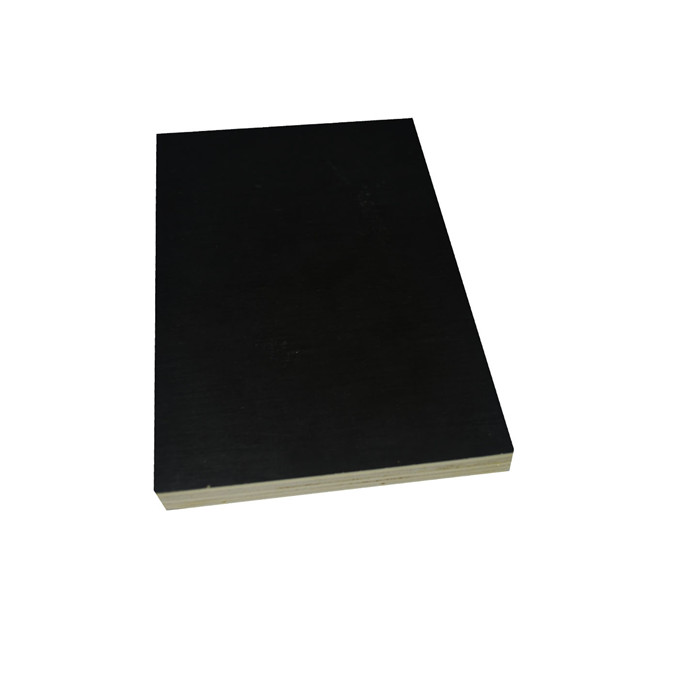
21mm Poplar Chinese Construction Signal Film Faced Plywood for Formwork
A high-strength film faced panel for slab, wall and column formwork where signal film, edge sealing and repeatable thickness matter.
View specification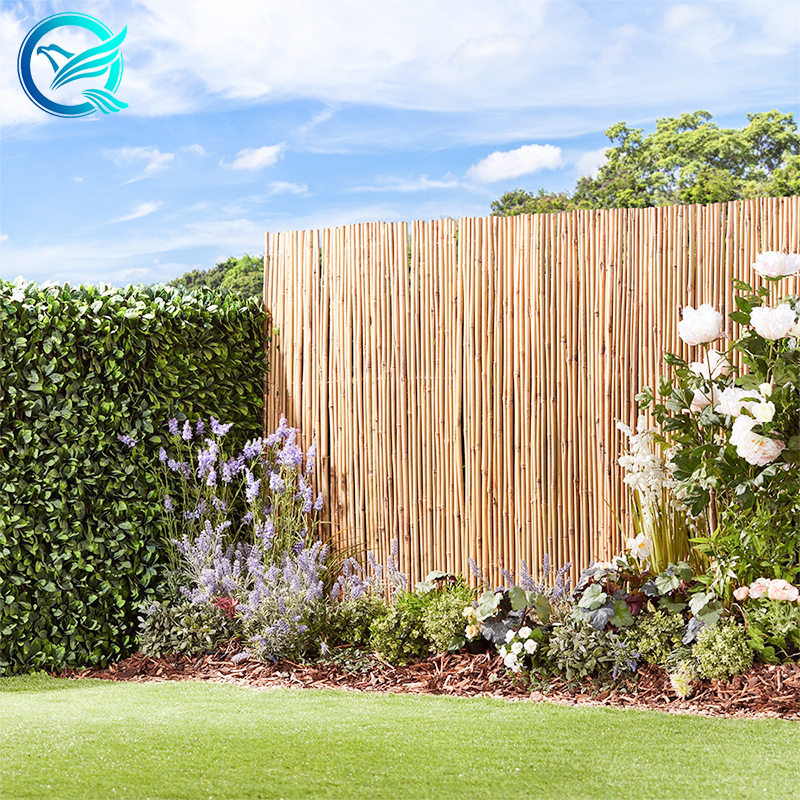
Wooden Garden Fence / Bamboo Screen
A natural screening solution for hospitality, landscaping and residential boundaries, suitable for mixed-container sourcing with panel products.
View specification
LANTISE 18mm First-Class Basswood Fire Resistant Melamine Film Faced Board
Double-sided melamine faced basswood board with E0 formaldehyde emission, developed for modern interior and commercial fit-out specifications.
View specification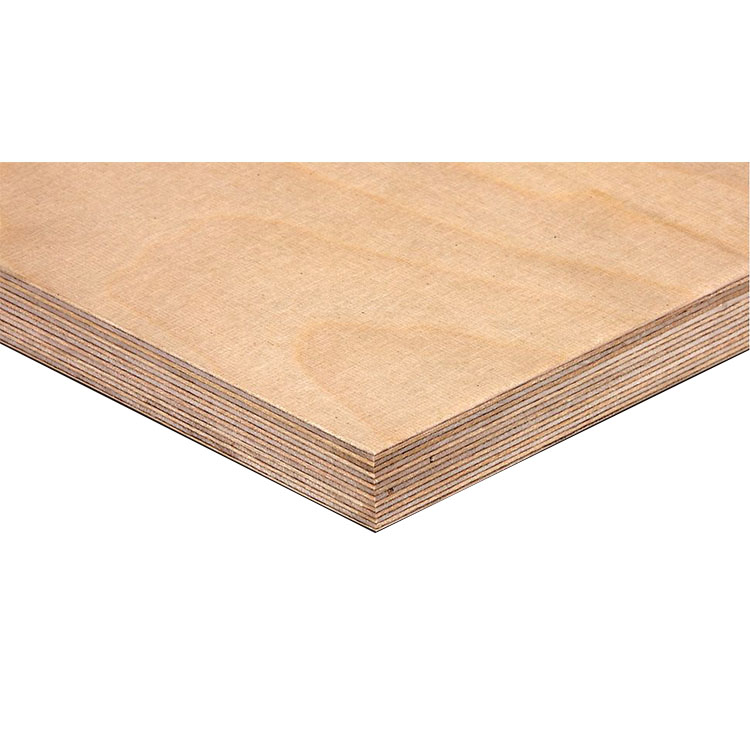
Film Faced UV Coated Double-Sided E0 Certified Birch Plywood for Piano
First-class birch plywood with UV-cured double-sided coating, low formaldehyde and stable surface quality for piano and premium furniture use.
View specification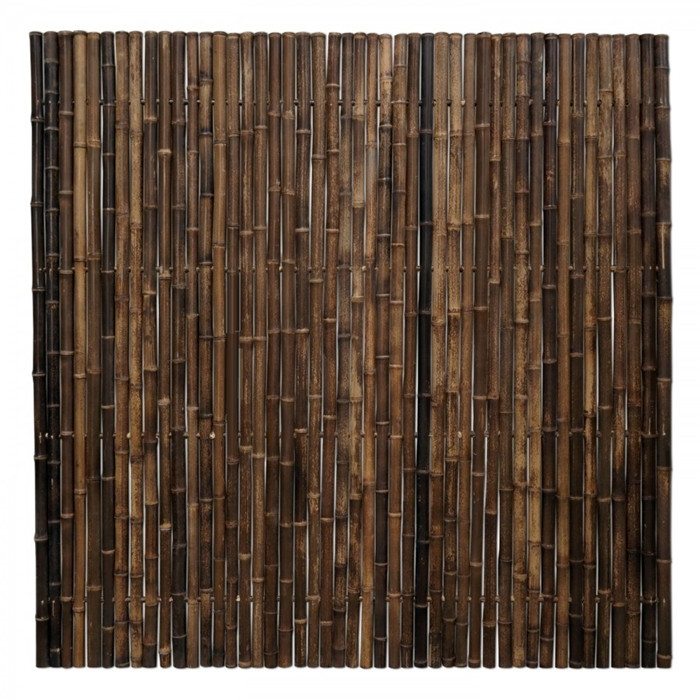
High 2m Bamboo Fence for Garden and Yard
A practical 2m bamboo fence for gardens, yards and resort landscaping, offering fast installation and a natural outdoor finish.
View specification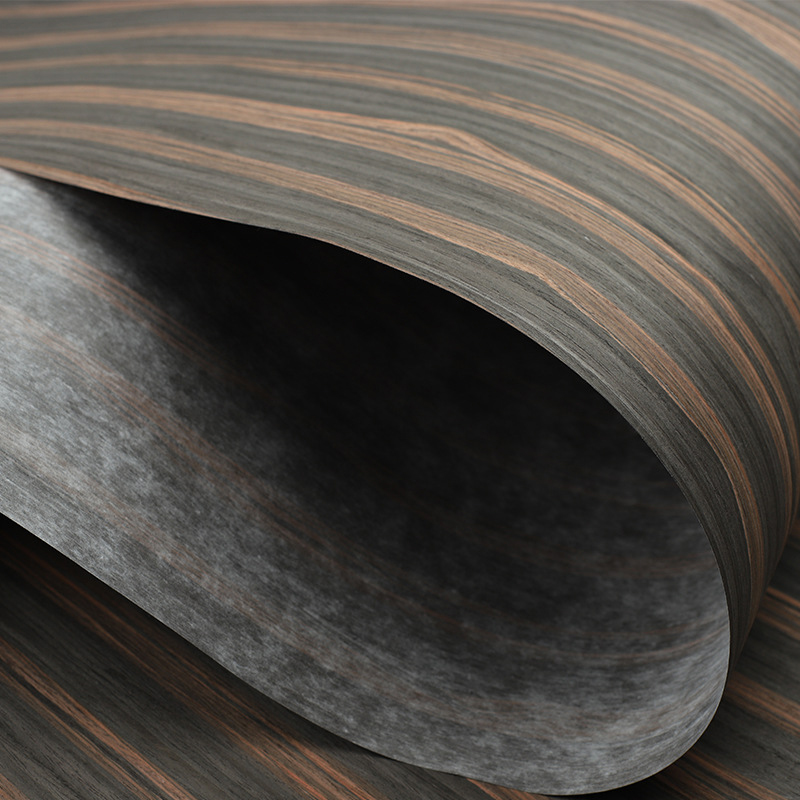
All Kinds Engineered Wood Veneer 640mm × 2500mm
Engineered veneer for furniture faces, door skins and architectural surfaces, useful when colour consistency and yield matter.
View specification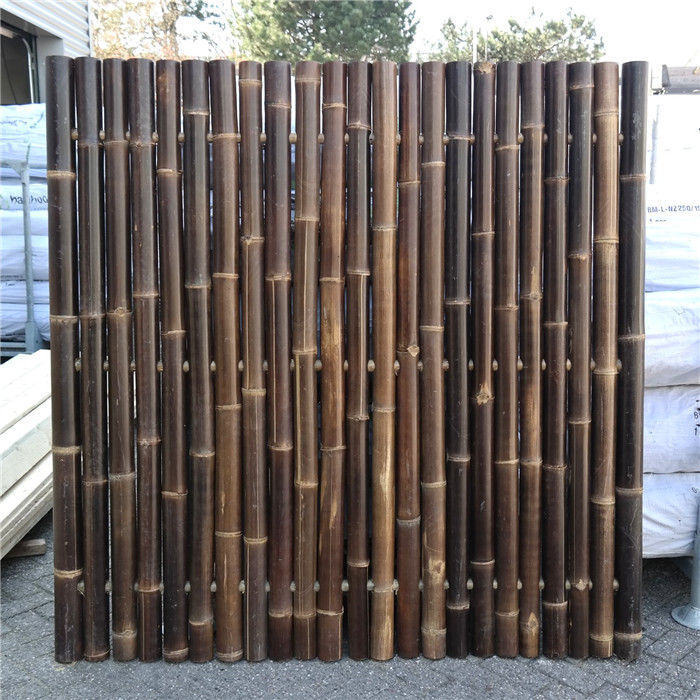
High 2m Bamboo Fence Screening
Privacy-focused bamboo screening for resorts, pools, terraces and landscape projects, packed for efficient export handling.
View specification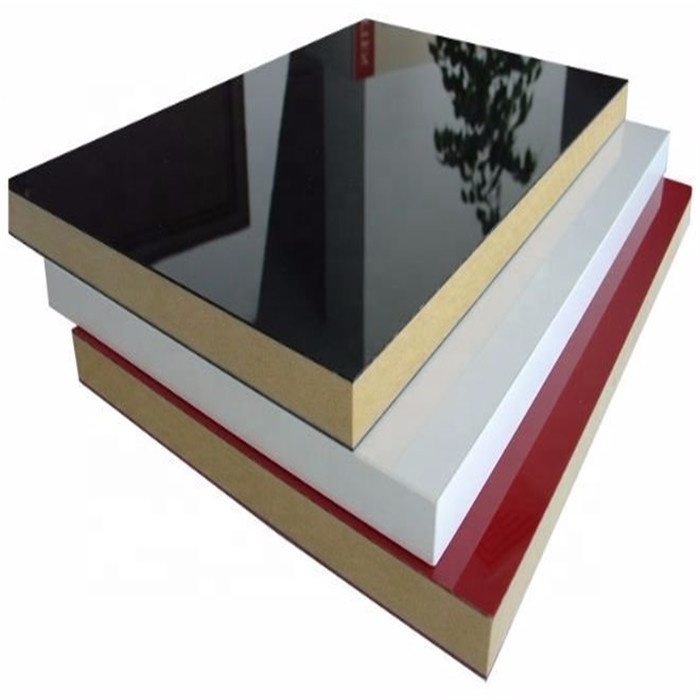
15mm White Painted E1 MDF Board Moisture Resistant Wood Fiber Panel
First-class E1 MDF with white painted face and moisture-resistant properties, suitable for exterior decoration, cabinetry and fit-out.
View specificationWhy CE Certification Has Become a Procurement Filter for Melamine Faced Plywood
Search intent around CE-certified melamine faced plywood manufacturers and factories is usually commercial, technical and risk-driven at the same time. Buyers are not only looking for a price list; they are testing whether a supplier can document conformity, control formaldehyde, maintain bond quality and survive an audit.
In mature markets, a buyer rarely searches for “melamine faced plywood” in isolation. They search for CE-certified manufacturers, factories that can issue a declaration of performance, suppliers that understand EN 13986 and EN 636, and partners that can connect a specific panel batch to glue type, film weight, moisture content and test reports. That is the real intent behind “CE Certified Melamine Faced Plywood Manufacturers & Factories”.
CE marking is not a decorative logo. For wood-based panels, it connects a product to a declared standard and a documented factory production control system. A credible supplier should be able to explain which standard the panel is declared against, which emission class applies, how bond durability is controlled, and how the finished panel can be traced back to material and production records. When those links are missing, a low quotation can become a high-cost decision through rejected containers, re-testing, project delays or tender non-compliance.
- Declaration of Performance and CE-related factory documentation, not only a generic certificate image.
- Formaldehyde emission route: E1, E0, CARB or project-specific limits, supported by test evidence.
- Bond and moisture control: glue type, press cycle, moisture content and edge sealing relevant to the application.
- Batch traceability: panel grade, film or melamine surface, packing mark and pre-shipment inspection record.
Our production is managed under ISO 9001 and controlled to CE requirements under CE No. 1301-CPD-0569. FSC-certified material is available on request, and our company has been assessed on-site by SGS Group. This matters because a serious CE-certified melamine faced plywood manufacturer should be able to move from brochure claims to auditable production evidence. We also grade to BSI, IHPA, JPIS, GB or customer-specific standards when a project requires a defined sorting rule.
Founded in 2008, supplying wood panels and formwork to importers worldwide.
Plywood output from the affiliated mill, supporting repeat orders and mixed programmes.
Peeling, pressing, calibrating and sanding controlled in-house for tighter tolerances.
MR, melamine, phenolic WBP and E2/E1/E0 options across a broad panel range.
What Is CE Certified Melamine Faced Plywood?
Melamine faced plywood is a wood-based panel with a melamine-impregnated paper or film bonded to one or both faces. The core may be poplar, basswood, birch, eucalyptus, combi or finger-jointed hardwood. The surface can be decorative, protective, fire-retardant, moisture-resistant or designed for concrete release.
In formwork, the same broad family is often described as film faced plywood when the overlay is a heavier phenolic or melamine film engineered for concrete release and repeated use. In furniture and interior fit-out, buyers usually focus on colour, gloss, scratch resistance, screw-holding, formaldehyde class and edge quality. In both cases, the underlying plywood core, glue line, press control and edge sealing determine whether the panel performs as expected after delivery.
The distinction matters for procurement because a decorative melamine faced board and a formwork panel are not interchangeable. A CE-certified supplier should clarify the intended application, the relevant performance standard, the emission class and the reuse expectation before quoting. The matrix below summarises how different coated panels are normally positioned.
| Panel Family | Typical Surface | Best-Fit Application | Purchase Focus |
|---|---|---|---|
| Film faced plywood | Phenolic or melamine film, smooth or anti-slip | Concrete formwork, slabs, walls, columns | Film weight, glue, edge sealing, reuse cycles |
| Melamine faced basswood board | Decorative melamine film, double-sided | Interior fit-out, commercial furniture, wall panels | E0/E1 emission, colour consistency, fire performance |
| UV coated birch plywood | UV-cured clear or pigmented coating | Piano, premium furniture, shopfitting | Surface flatness, coating adhesion, core quality |
| Moisture-resistant MDF | Painted, laminated or raw | Exterior decoration, cabinetry, joinery | E1/CARB evidence, moisture resistance, density |
For buyers comparing CE-certified melamine faced plywood manufacturers and factories, the safest quotation request includes the application, core preference, surface type, panel size, thickness, emission class, expected volume, destination port and any tender standard. That single specification sheet reduces the risk of comparing a decorative board with a formwork panel under the same “melamine faced plywood” description.
Which Product Fits Which Application?
Use this recommendation matrix as a first filter when preparing a quotation request. It is based on the specifications our export team reviews most often for importers, distributors, contractors and OEM brands.
| Product in Our Range | Recommended Use | CE / Emission Focus | Procurement Note |
|---|---|---|---|
| 21mm Poplar Chinese Construction Signal Film Faced Plywood | Slab, wall and column formwork | CE-controlled production; glue and film to project specification | Confirm reuse cycles, edge sealing colour and film pattern. |
| LANTISE 18mm Basswood Fire Resistant Melamine Faced Board | Interior fit-out, commercial furniture, wall lining | E0 formaldehyde emission, double-sided melamine film | Request fire-related documentation and surface colour sample. |
| UV Coated Double-Sided E0 Birch Plywood | Piano, premium furniture, exhibition joinery | E0, first-class birch, UV-cured coating | Clarify gloss level, coating adhesion and packing protection. |
| 15mm White Painted E1 Moisture-Resistant MDF | Exterior decoration, cabinetry and shopfitting | E1, CE-controlled, moisture-resistant | Check white colour uniformity and edge-sealing requirements. |
| Engineered Wood Veneer 640mm × 2500mm | Furniture faces, door skins and architectural surfaces | Decorative veneer with consistent colour and yield | Order a physical sample for grain and colour approval. |
| High 2m Bamboo Fence and Screening | Resorts, gardens, pools and landscape privacy | Outdoor bamboo system, packed for export | Confirm panel height, binding method and container mix. |
| Wooden Garden Fence / Bamboo Screen | Residential and hospitality landscaping | Natural screening product | Discuss treatment, packing and mixed-load options. |
| Container Flooring and LVL-Related Panel Options | Transport, packaging and structural applications | Phenolic WBP and engineered wood options | Specify load class, thickness tolerance and moisture exposure. |
For a mixed container, the strongest commercial logic is usually to combine a core melamine faced plywood programme with complementary MDF, veneer or outdoor bamboo products. This improves container fill, simplifies supplier management and gives distributors a broader product story without adding another factory relationship. The exact mix should be agreed before production so that packing, labelling and inspection can be planned together.
Procurement Trends Shaping CE-Certified Panel Buying, 2025–2030
The next buying cycle will be shaped less by headline price per sheet and more by compliance evidence, total cost of ownership, traceability and supply resilience. These are the four trends our export team expects to influence panel sourcing most strongly.
Compliance-First Sourcing
Procurement teams are moving from “Do you have CE?” to “Can you show the declaration, production control record and batch link?” Tender, customs and retailer audits increasingly require a documented chain from standard to panel.
Low-Emission Specification
E1 remains the baseline in many markets, but E0, CARB and project-specific low-formaldehyde requirements are appearing in more inquiries. Buyers want indoor air quality evidence, not only a grade label.
Traceability and Digital Records
FSC chain of custody, batch IDs, inspection photos and digital product information are becoming normal expectations. The factory that can retrieve records quickly is easier to approve than one that depends on memory.
Mixed-Container Procurement
Distributors are consolidating decorative panels, MDF, veneer, formwork and outdoor bamboo items into fewer containers. Mixed loads reduce freight waste and improve inventory breadth, provided packing and documentation are planned well.
A further shift is the growing use of supplier scorecards. Instead of rating a factory only on price and lead time, buyers are adding points for certificate validity, response speed, inspection closure, packaging quality and the ability to repeat a specification without drift. For a manufacturer of CE-certified melamine faced plywood, this is good news: documented quality becomes a competitive advantage rather than a cost centre.
How Melamine Faced Plywood and Adjacent Panels Are Evolving
Panel development is moving in three practical directions: better surface engineering, more stable engineered cores, and application-specific moisture, fire and outdoor performance. These changes are visible in the products international buyers now request.
Surface Engineering
Film weight, anti-slip patterns, UV-cured coatings, matte finishes and edge sealing are being specified more precisely. Buyers no longer accept “melamine faced” as a complete description; they ask for the surface function and the expected life cycle.
Engineered Cores
Basswood, birch, poplar, eucalyptus and engineered veneer cores are being selected for flatness, screw-holding, weight and colour stability. The core is increasingly designed around the application rather than treated as a commodity input.
Moisture, Fire and Outdoor Systems
Fire-resistant basswood boards, moisture-resistant MDF and bamboo screening products show how panel systems are being packaged for complete applications. The future buyer is purchasing a verified performance bundle, not an isolated sheet.
The figures above are indicative planning ranges, not guarantees. Actual reuse depends on concrete mix, release agent, stripping practice, edge protection, storage and cleaning discipline. They are included to help buyers compare panel classes on a life-cycle basis rather than a single invoice price.
A Total Cost of Ownership Model for Melamine Faced Plywood
Most quotations compare price per sheet. For repeat-pour formwork or large fit-out programmes, that is the wrong comparison. The useful question is cost per square metre of finished surface, including replacement, cleaning, repair and downtime.
| Panel Class | Typical Reuse | Panel Cost / m² | Replacement Cost / Pour | Cleaning & Repair / Pour | Indicative TCO / Pour |
|---|---|---|---|---|---|
| Standard melamine faced film board | 8–10 cycles | US$16 | US$1.60–2.00 | US$1.20 | US$2.80–3.20 |
| CE-controlled basswood melamine board | 12–15 cycles | US$22 | US$1.47–1.83 | US$0.90 | US$2.37–2.73 |
| Premium phenolic film faced panel | 22–30 cycles | US$30 | US$1.00–1.36 | US$0.65 | US$1.65–2.01 |
This simple model explains why experienced buyers sometimes choose a higher-priced panel. If a US$30 panel delivers three times the reuse of a US$16 panel, the replacement cost per pour can be lower, and the project may also benefit from fewer surface defects, less patching and faster stripping. The calculation is illustrative, but the logic is robust: pay for verified performance, not only for board thickness.
For melamine faced plywood used in interior fit-out, the equivalent model should include cutting yield, edge sealing, hardware performance and rework rate. A low-cost panel with inconsistent colour or poor screw-holding can create more labour loss than a slightly higher-cost panel with stable core quality. That is why our export team asks application questions before quoting: the cheapest panel is rarely the lowest-cost solution when the full installation is considered.
- Ask for reuse assumptions and surface warranty statements in writing, not verbal estimates.
- Compare the same glue line, edge treatment and film specification before comparing price.
- Request pre-shipment photos that show surface, edges, corners and packing, not only a sample photo.
- For repeat projects, keep an approved reference sample and batch record to reduce specification drift.
Why Shanghai Dorni Is Shortlisted by Importers
Shanghai Dorni International Trading Co., Ltd. exports plywood and building materials from Shanghai, supported by an affiliated mill in Dangshan County, Anhui Province. The mill runs three complete production lines — peeling, pressing, calibrating and sanding through to container loading — which gives our export team direct visibility over quality and delivery.
Export experience built across Europe, the Americas, the Middle East, Africa and Asia.
Organised production, warehousing and loading space for container programmes.
Repeat business from contractors, distributors and private-label buyers.
Aggregate buyer rating shown on our supplier profile, based on verified reviews.
Mill-Backed Supply
Our affiliated mill operates three complete production lines with 6,000 m³ monthly capacity, so specifications can be controlled from veneer to finished panel.
Certified and Audited
ISO 9001 management, CE-controlled production under CE No. 1301-CPD-0569, FSC-certified material availability and SGS on-site assessment.
Raw Material to Loading QC
A dedicated QC team inspects raw materials on-site and checks finished goods before every loading. Third-party inspection is welcome.
Customization and Private Label
Sample-based, design-based and full customization, including logo printing on film, edge-sealing colour, packaging and grading to BSI, IHPA, JPIS or GB.
Export Logistics
Loading from Lianyungang or Qingdao port, with FOB, CFR, CIF, EXW, FAS and CIP terms available for container and sample shipments.
Application Support
Our team helps buyers match core, glue, thickness, film and emission class to the project, reducing the risk of over- or under-specification.
For commercial certainty, orders can be supported with pre-shipment inspection photos, third-party inspection arrangements and Alibaba Trade Assurance where applicable. We accept T/T, L/C, D/P and D/A, and can quote in USD, EUR, GBP, JPY and other currencies. For buyers comparing CE-certified melamine faced plywood manufacturers and factories, our advantage is not only a product list; it is the combination of mill access, documented quality, practical customization and export discipline.
Common Questions About CE Certified Melamine Faced Plywood
These are the questions our export team answers most often from importers, contractors and private-label buyers preparing a first or repeat order.
What does CE-certified melamine faced plywood actually mean?
It means the panel is supplied with CE-related documentation for the relevant wood-based panel standard and is produced under a documented factory production control system. The useful evidence includes the declared standard, emission class, product description and traceability to the production batch. A generic certificate without a product and standard link is not enough.
What is the difference between melamine faced plywood and film faced plywood?
The terms overlap. Film faced plywood usually refers to a coated plywood designed for concrete formwork, often with a heavier phenolic or melamine film. Melamine faced plywood is a broader description for panels with melamine-impregnated decorative or protective surfaces, including furniture and fit-out boards. The correct choice depends on whether the application needs concrete release and reuse, or decorative surface performance.
Which formaldehyde emission class should I request?
We supply MR, melamine, phenolic WBP, E2, E1 and E0 grades, depending on product and specification. E1 is a common baseline; E0, CARB and project-specific low-formaldehyde requirements are available for suitable panels. Always state the destination market and application so the correct test evidence and declaration can be prepared.
What is the minimum order quantity for melamine faced plywood and mixed containers?
Standard film faced and construction plywood starts from about 50 m³, roughly two 40HQ containers. Three-ply shuttering panels start from 7–50 m³ depending on specification, and bamboo decking from 100 m². Mixed-product containers can be discussed for trial orders, subject to packing and production scheduling.
Can you manufacture custom sizes, thicknesses and private-label products?
Yes. We offer sample-based, design-based and full customization, including logo printing on film, edge-sealing colour, packaging and grading to BSI, IHPA, JPIS or GB standards. Common sizes include 1220×2440, 1250×2500, 1500×3000 and 915×1830 mm, with plywood thickness from 2.2 mm to 30 mm. Custom sizes should be confirmed against volume and tooling requirements.
Which certificates and factory documents can you provide?
The mill is managed under ISO 9001, production is controlled to CE requirements under CE No. 1301-CPD-0569, FSC-certified material is available, and the company has been assessed on-site by SGS Group. Depending on the product, we can provide test reports, declarations, packing records and pre-shipment inspection photos.
Which ports do you ship from and which Incoterms do you accept?
Goods are usually loaded at Lianyungang or Qingdao port. We accept FOB, CFR, CIF, EXW, FAS and CIP, and can arrange express delivery for samples. The best port and term depend on destination, volume, container type and whether the order is a trial shipment or a repeat programme.
How do you control moisture content, glue bond and surface quality?
Raw materials are inspected on-site, veneer is dried to target moisture before lay-up, and the press cycle is controlled to the specified glue system. Panels are calibrated and sanded for tolerance, and finished goods are checked before loading. For exterior or high-humidity applications, phenolic WBP and suitable edge sealing should be specified.
What payment methods and trade terms are available?
We accept T/T, L/C, D/P and D/A, and can quote in USD, EUR, GBP, JPY and other currencies. FOB, CFR, CIF, EXW, FAS and CIP terms are available. For first orders, we recommend confirming the specification, inspection plan, packaging and documentation before production begins.
How do I request a quotation or a sample?
Send the panel type, core preference, thickness, sheet size, surface or film requirement, emission class, estimated quantity, destination port and target delivery date. Our export team will respond with a technical proposal, packing suggestion and quotation. Samples can be arranged for colour, surface and core approval before a full production run.
Request a CE-Certified Melamine Faced Plywood Quotation
Share your application, core, thickness, sheet size, emission class, film or melamine surface, quantity and destination port. Our export specialists will prepare a detailed technical and commercial proposal, including panel options, packing advice and estimated lead time.
Get a Quote