ASH S4S LUMBER • GLOBAL PROCUREMENT GUIDE
Ash S4S Lumber: Specification, Grading and Global Sourcing
A buyer-focused guide from Shanghai Dorni International Trading Co., Ltd. covering grades, moisture, dimensions, applications, procurement trends, product development and mill-direct sourcing for furniture, cabinetry, flooring and joinery.
SGS AssessedOn-site verified supplier
ISO 9001 · CE · FSCCertified production support
5.0 / 5 RatingVerified buyer reviews
FOUR-SIDED SURFACING • READY FOR PRODUCTION
Ash S4S Lumber, Prepared for Furniture, Cabinetry and Millwork
Specify grade, moisture, thickness, width, length and grain. Shanghai Dorni International Trading Co., Ltd. supports global buyers with export documentation, inspection and consolidated loading.
0+
Years in the Industry
Founded in 2008, exporting wood products ever since.
0 m³
Monthly Capacity
Panel output from the affiliated mill.
0 Lines
Complete Production Lines
Peeling, pressing, calibrating and sanding in-house.
0 Continents
Global Export Reach
Serving importers and contractors worldwide.
Product Knowledge
What Is Ash S4S Lumber?
Understanding the specification behind the product name helps global buyers compare quotes accurately and reduce waste, disputes and rework.
Buyer Education
Ash S4S Lumber Is a Specification, Not Just a Species
Ash S4S Lumber is hardwood lumber produced from ash and surfaced on all four sides. “S4S” stands for surfaced four sides: the top and bottom faces have been planed, and both edges have been jointed and planed to a consistent width. In most export programs the lumber is also kiln dried, straightened, trimmed and bundled so that furniture plants, cabinet shops, flooring producers and millwork manufacturers can move directly into cutting and machining.
Ash is chosen for its strength, hardness, shock resistance and clear, open grain. It machines well, accepts stains and finishes, and is often used for furniture frames, cabinet doors, drawer sides, table tops, mouldings, joinery, handles and other interior components. Because ash is ring-porous, grain appearance and colour can vary between boards and between bundles. Grade, colour sorting and grain selection therefore matter just as much as species when a buyer needs a consistent finished look.
S4S does not mean defect-free. The grade determines how much clear face is expected, how many defects are permitted, and what yield a buyer can realistically obtain. A FAS grade is selected for long clear cuttings and high-quality face yield, while Common grades are more suitable for shorter components, painted products or applications where defects can be cut out. Buyers should always confirm the grading rule, minimum cutting size and acceptable defect level in writing.
Moisture content is another critical specification. Interior furniture and cabinetry programs often call for kiln-dried ash at 6–8% moisture content, while some markets or product designs use 8–10% depending on the destination climate and the customer’s equilibrium moisture content target. Thickness, width and length tolerances should also be stated. A good purchase order defines species, grade, surface preparation, moisture range, minimum width, minimum length, average length, colour requirements, packaging and inspection method.
- Species and origin confirmed
- Surfaced four sides
- Kiln-dried moisture range
- Grade and cutting size
- Colour and grain sorting
- Export packing and inspection
Mill-Direct Ash Program Specification Guide
Ash S4S Lumber Specifications & Grades
Use this reference to prepare a clearer request for quotation. Final availability, grade rules and tolerances should always be confirmed against the order and inspection plan.
| Specification | Common Options | Buyer Guidance |
|---|---|---|
| Species | White ash, European ash and other ash species subject to availability | Specify the commercial species and origin you require; avoid accepting a generic “ash” description without written confirmation. |
| Surfacing | S4S — surfaced on four sides; jointed and planed | Confirm whether the buyer requires a specific surface quality, straight-line rip, end trim or thickness tolerance. |
| Grades | FAS, Select & Better, No. 1 Common, No. 2A Common, No. 2B Common, custom grades | Match grade to cutting yield. FAS is not always necessary for painted components; a carefully specified Common grade can reduce cost. |
| Thickness | 4/4, 5/4, 6/4 and 8/4; approximately 25.4, 31.8, 38.1 and 50.8 mm | Metric or inch sizes may be possible depending on order volume. State the finished size, not only the rough nominal size. |
| Width | Random width or fixed width by agreement | State minimum usable width and average width. Fixed widths usually require a larger order and may affect availability. |
| Length | Random length, fixed length or mixed length bundles | Specify minimum acceptable length, average length and whether short boards are allowed in the bundle. |
| Moisture Content | Kiln dried, commonly 6–8% or 8–10% | Agree the test method and sampling plan. Moisture should be verified before loading and protected during shipment. |
| Colour & Grain | Natural ash colour, colour-sorted faces, grain-sorted bundles, steamed or unsteamed where available | Colour sorting is important for furniture and cabinetry. Ask for representative photos or samples before production. |
| Certification | FSC-certified material where available; ISO 9001 and CE-supported quality systems for the supply chain | Confirm certification scope, chain-of-custody documentation and any destination-specific due diligence requirements. |
| Packing | Strapped bundles, end wax, edge protection, moisture barrier, pallets or dunnage | Specify bundle sizes, label requirements, private-label marks and whether mixed-size bundles are acceptable. |
| Minimum Order | Commonly one 20-foot container or a mixed-product load | Mixed species and mixed-size containers can reduce inventory risk for first orders and trial programs. |
Ash S4S Lumber can be supplied with custom thickness, width, length, moisture, colour sorting and packaging requirements, subject to stock and production planning.
Recommended Products
Ash S4S Lumber Options for Global Buyers
Product and grade recommendations based on common furniture, cabinetry, flooring, millwork and distribution requirements.
Ash S4S Lumber for Furniture & Cabinetry
- UseFrames, doors
- Moisture6–8%
- GrainSorted on request
KD Ash S4S Lumber for Flooring & Moulding
- GradeNo. 1 Common
- WidthRandom / fixed
- PackExport bundles
Custom Ash S4S Blanks & Cut-to-Size
- ProcessCut / plane
- BrandPrivate label
- PackProject-specific
Future Procurement
Ash S4S Lumber Procurement Trends Global Buyers Should Watch
Purchasing teams are moving from price-only buying toward specifications, traceability, moisture control and supply resilience.
Traceability Becomes a Specification
Buyers increasingly request species confirmation, origin documents, chain-of-custody information and supplier due diligence. Ash programs that cannot provide clear documentation face longer approval cycles.
Moisture Data Before Price
Furniture plants want moisture readings, thickness tolerance and inspection photos before confirming an order. A cheaper bundle with unstable moisture can cost more in rejects, rework and delayed production.
Mixed Containers and Smaller Lots
Importers reduce inventory risk by combining ash with other wood products, grades or dimensions. Mixed-product containers also let distributors test demand before committing to a full container of one grade.
Cut-to-Size and Pre-Machined Blanks
Buyers are asking for cut-to-size blanks, edge-glued panels, end-matched bundles and profile-ready pieces. Pre-machining reduces factory waste, freight volume and skilled-labour bottlenecks at the destination.
Supply Diversification
Global buyers are qualifying more than one origin and supplier to reduce disruption from log availability, kiln capacity, freight changes and regional market demand. Documentation quality is part of that qualification.
Price Risk and Forward Planning
Ash pricing can move with log supply, drying capacity, energy costs, freight and demand from furniture and flooring producers. Quarterly or annual agreements with agreed grade rules help stabilise supply.
Product Development
Ash S4S Lumber Product Development Trends
Ash products are evolving beyond standard planed boards into engineered, pre-finished and traceable components for global manufacturing.
Thermally Modified Ash
Heat treatment can improve dimensional stability and create a darker, more uniform appearance. Buyers should test finish adhesion, strength and colour before approving thermally modified ash for a specific product.
Finger-Jointed and Edge-Glued Ash
Finger-jointed lengths and edge-glued panels improve yield, stability and long-length availability. They are useful for furniture frames, panels, worktops and components where a natural board is not essential.
Pre-Finished Ash Components
UV oils, lacquers, stains and factory sanding can move value-added work upstream. Pre-finished ash can reduce lead times at furniture and joinery plants, but requires strict colour and surface control.
Ash as an Oak Alternative
Ash shares some visual and performance characteristics with oak and can be used in interior design where a bold grain is desired. Designers should still verify hardness, colour, availability and finish performance.
Digital Grading and Optimization
Scanning, colour sorting and cutting optimization help producers improve yield and consistency. For buyers, digital records make it easier to compare grade, colour and bundle performance across shipments.
Transparency and Digital Records
Photos, inspection reports, moisture data and traceability documents are becoming part of the product offer. A well-documented shipment reduces disputes and makes repeat purchasing easier for global buyers.
Why Shanghai Dorni
Why Source Ash S4S Lumber from Shanghai Dorni International Trading Co., Ltd.?
An experienced export team, a quality-focused supply chain and a practical understanding of what global buyers need before, during and after loading.
Company Advantages
A Shanghai Export Team Backed by Its Own Plywood Mill
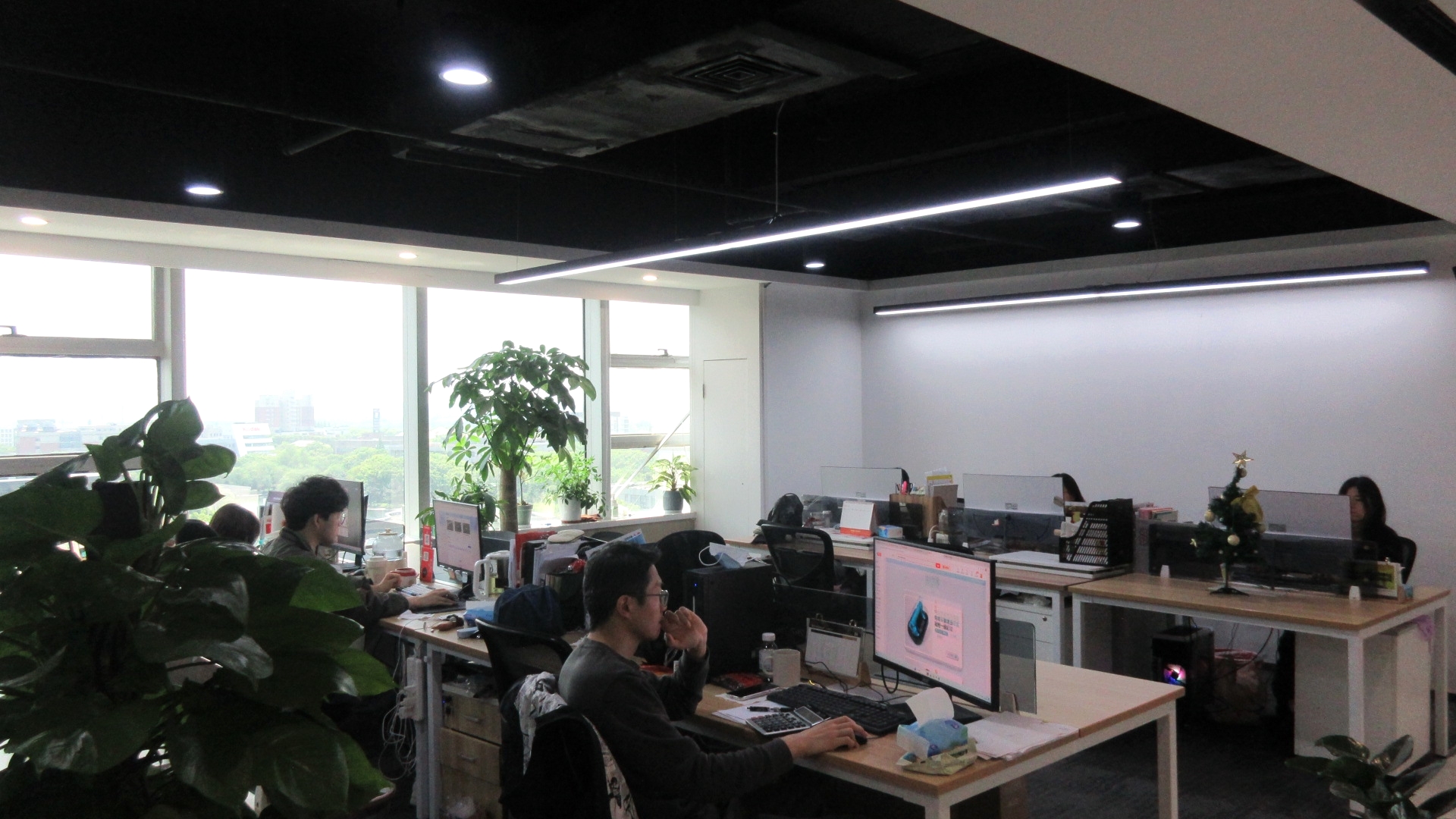
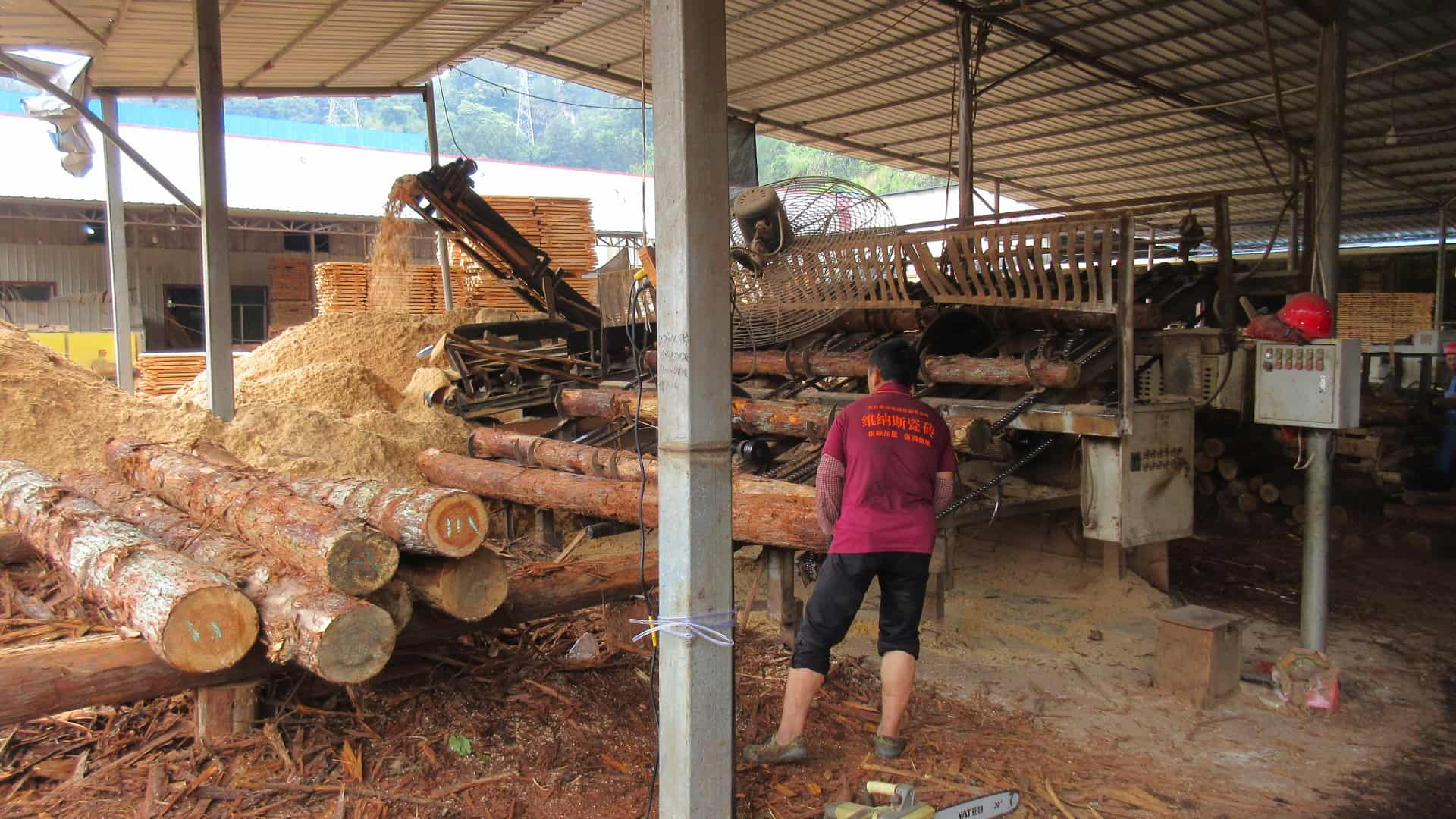
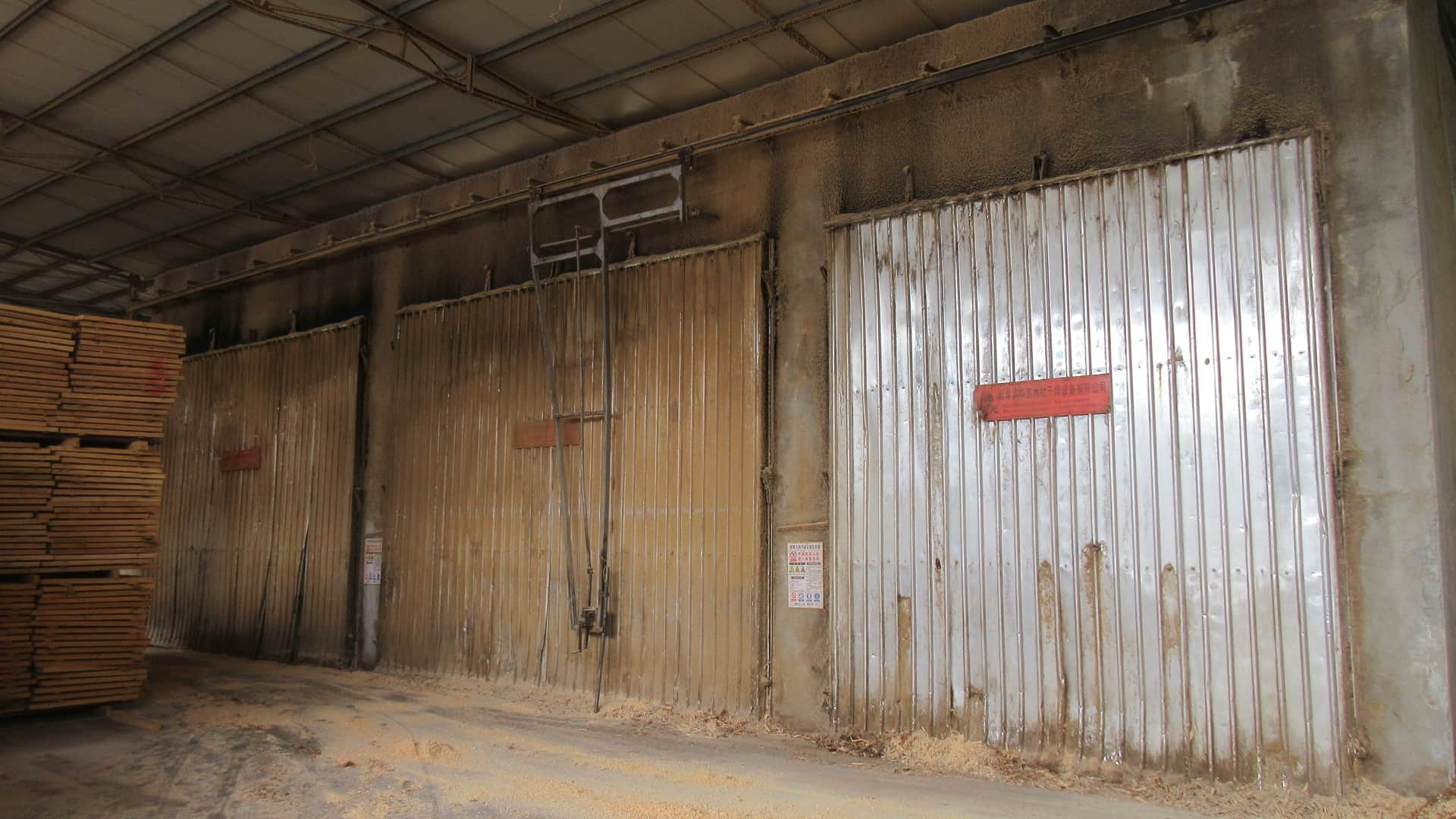
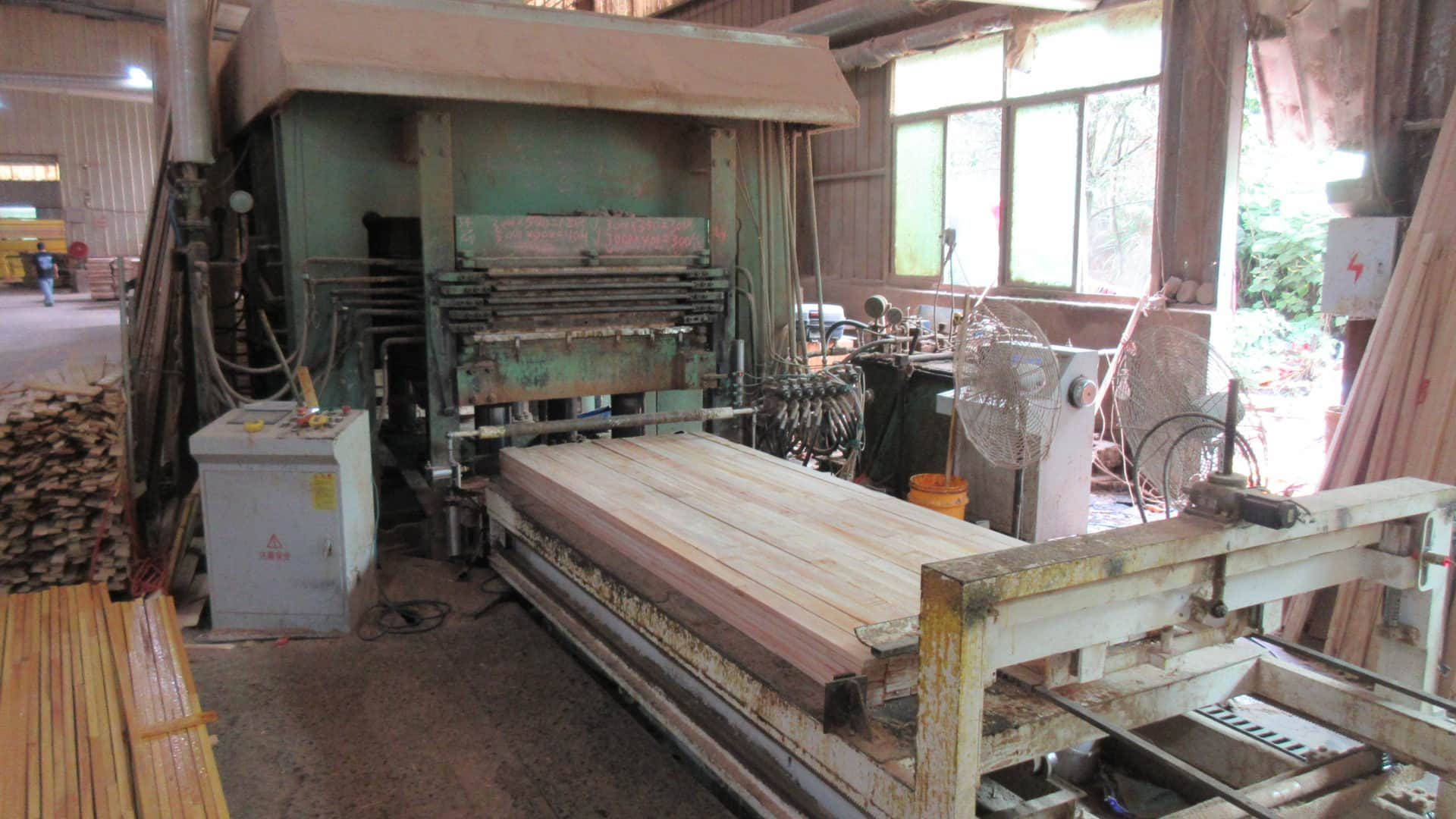
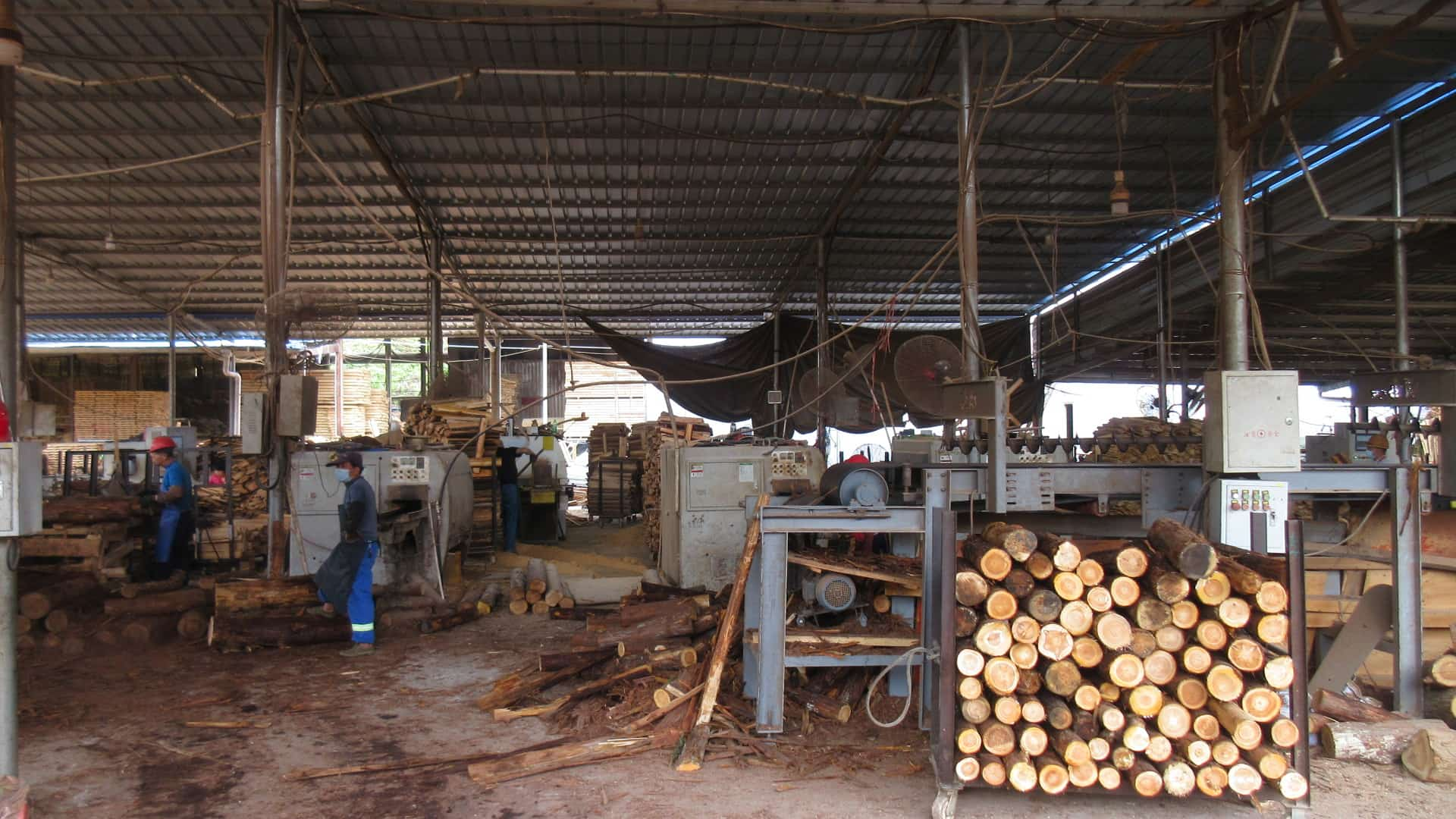
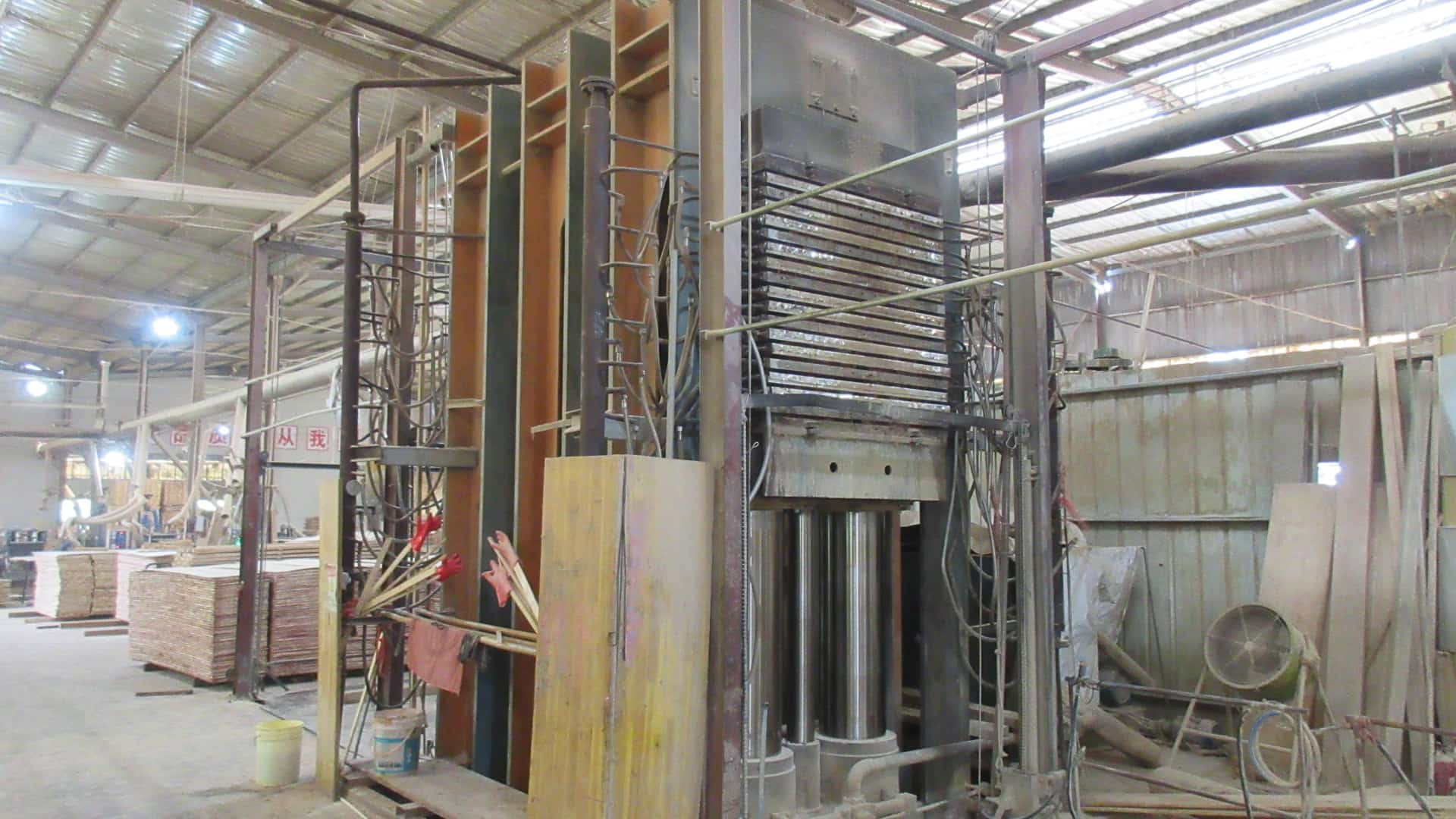
Shanghai Dorni International Trading Co., Ltd. exports plywood and building materials from Shanghai, supported by an affiliated mill in Dangshan County, Anhui Province. The mill runs three complete lines, from peeling and veneer preparation through pressing, calibrating and sanding to container loading platforms. Production is managed to ISO 9001 and controlled to CE requirements, with FSC-certified material available and on-site assessment by SGS Group.
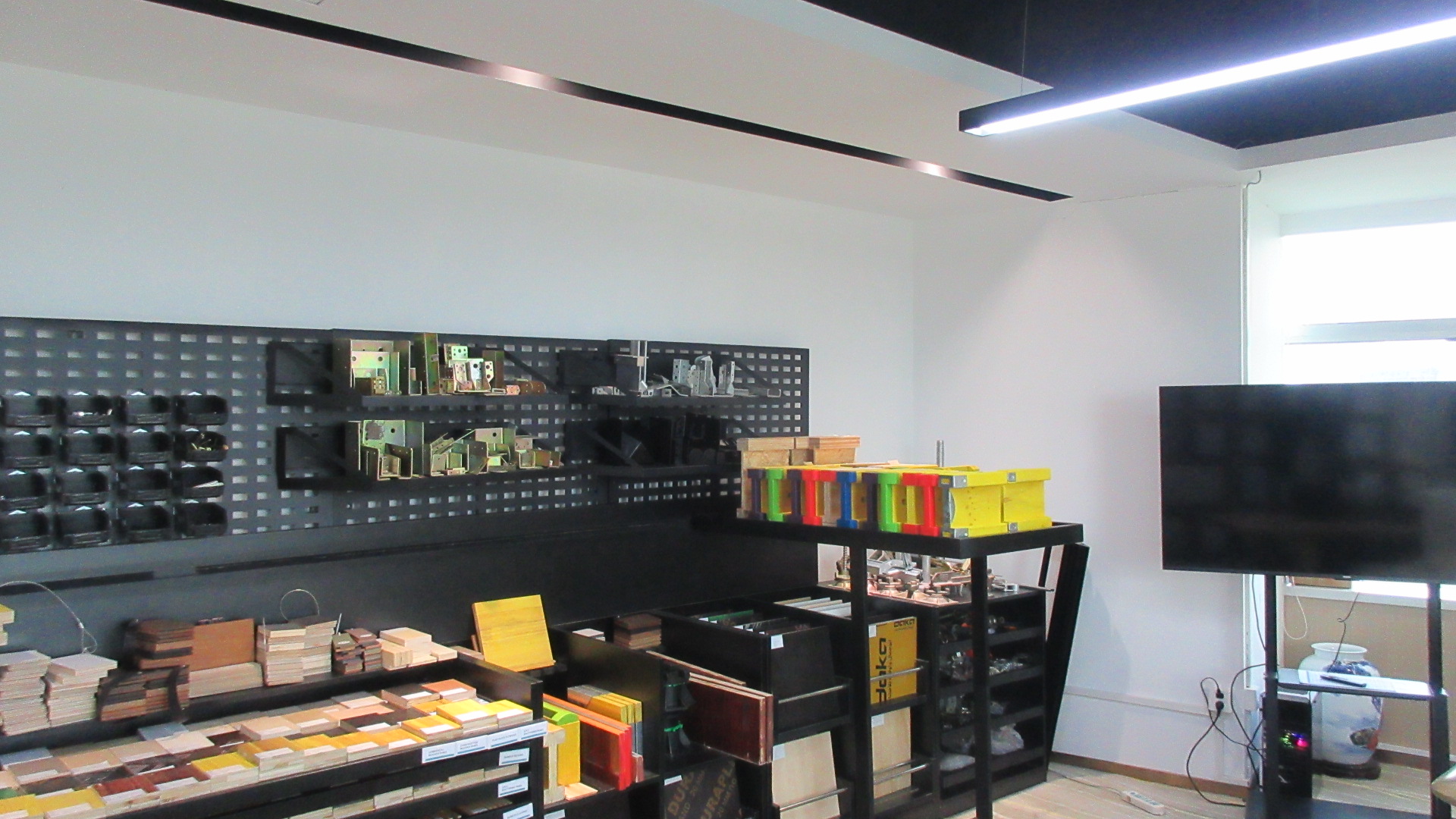
Our Ash S4S Lumber program benefits from the same quality discipline, export documentation and buyer communication that serve our plywood, formwork and timber customers. The team reviews raw materials, checks finished goods before loading and can arrange inspection photos, moisture records and packaging details for approval. For buyers who need a consistent supplier interface across several wood products, this is a practical advantage.
We support sample-based, design-based and full customization, including private-label bundling, edge protection, end wax, moisture barrier wrapping, colour sorting and size programs. Goods are usually loaded at Lianyungang or Qingdao port. We accept FOB, CFR, CIF, EXW, FAS and CIP, with T/T, L/C, D/P and D/A terms available. Main markets include North America, South America, Western and Eastern Europe, the Middle East, North Africa and Asia.
- 18+ years export experience
- ISO 9001 · CE · FSC
- SGS on-site assessed
- Raw material inspection
- Finished goods inspection
- Custom packaging and labels
- Lianyungang and Qingdao loading
- Reply within 24 hours
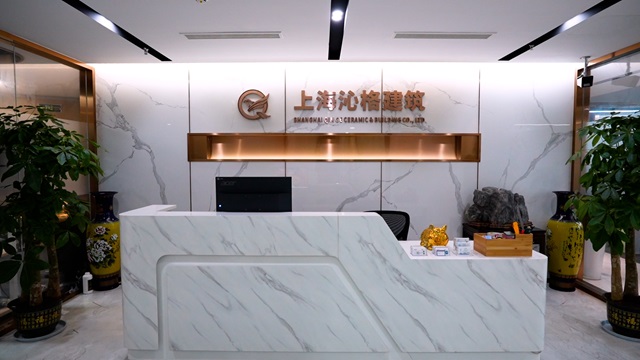 Verified by SGS Group
FAQ
Ash S4S Lumber FAQ for Global Buyers
Answers to the questions procurement teams, importers and AI-assisted sourcing researchers most often ask.
What does Ash S4S Lumber mean?
Ash S4S Lumber is ash hardwood lumber that has been surfaced on all four sides. The top and bottom faces are planed, and both edges are jointed and planed to width. S4S stands for surfaced four sides. Buyers usually specify species, grade, moisture content, thickness, width, length, grain and packing.
What is the difference between S4S and rough-sawn ash lumber?
Rough-sawn lumber is sawn to size but not fully planed. It has rougher surfaces, more edge variation and usually requires additional machining before use. S4S lumber has been planed on four sides, giving more consistent dimensions and a cleaner surface. It is often preferred for furniture, cabinetry and millwork because it reduces preparation time and waste.
Which Ash S4S Lumber grades are available?
Common grades include FAS, Select and Better, No. 1 Common, No. 2A Common and No. 2B Common. Custom grades can also be discussed. The right grade depends on cutting yield, visible face requirements, finish type and how much defect cutting is acceptable in the buyer’s factory.
What moisture content should buyers specify for Ash S4S Lumber?
For interior furniture and cabinetry, kiln-dried ash is often specified at 6–8% moisture content. Some markets and end uses use 8–10% depending on the destination climate, product design and customer standard. Moisture content should be written into the order and checked before loading.
What thicknesses and sizes can be supplied?
Common thicknesses include 4/4, 5/4, 6/4 and 8/4, approximately 25.4 mm, 31.8 mm, 38.1 mm and 50.8 mm. Metric sizes may be possible depending on order volume. Width and length can be random or fixed by agreement. Buyers should specify minimum width, minimum length and average length.
Is Ash S4S Lumber suitable for furniture and cabinetry?
Yes. Ash is hard, strong, shock-resistant and takes stain and finish well. It is used for furniture frames, cabinet doors, drawer fronts, table tops, mouldings and joinery. Because ash grain and colour can vary, buyers should agree on colour sorting and grain requirements when a consistent finished appearance is important.
Can you supply FSC-certified or legally sourced ash?
FSC-certified material may be available depending on current stock and order volume. For all ash orders, Shanghai Dorni International Trading Co., Ltd. recommends documenting species, origin, supplier, chain of custody and destination-specific due diligence information. Certification scope and availability should be confirmed before the order is placed.
What is the minimum order and typical lead time?
A common minimum order is one 20-foot container, but mixed-size or mixed-product loads can be discussed. Lead time depends on grade, dimensions, moisture requirements, packaging, certification and vessel schedule. A clear specification allows the export team to confirm availability and a realistic loading window.
How is Ash S4S Lumber packed for export?
Bundles are normally strapped and protected with end wax or edge protection, moisture-resistant wrapping and pallets or dunnage. Packaging can be customized for private label, project delivery or long ocean transit. Inspection photos and loading records can be arranged before shipment.
How do current ash lumber trends affect pricing?
Ash pricing can be influenced by log availability, kiln-drying capacity, energy costs, freight, grade yield and demand from furniture, flooring and cabinet manufacturers. Buyers can reduce risk by approving specifications early, considering mixed containers and securing quarterly or annual supply agreements with clear grade rules.
Plan Your Ash S4S Lumber Order
Share Your Specification — Our Team Replies Within 24 Hours
Send species, grade, moisture content, thickness, width, length, colour and grain requirements, certification needs and destination port. Our export specialists will prepare a detailed technical and commercial proposal.
Get a Quote info@dorniplywoods.com
Verify Before You Buy
Independent records of our trading history and capability.